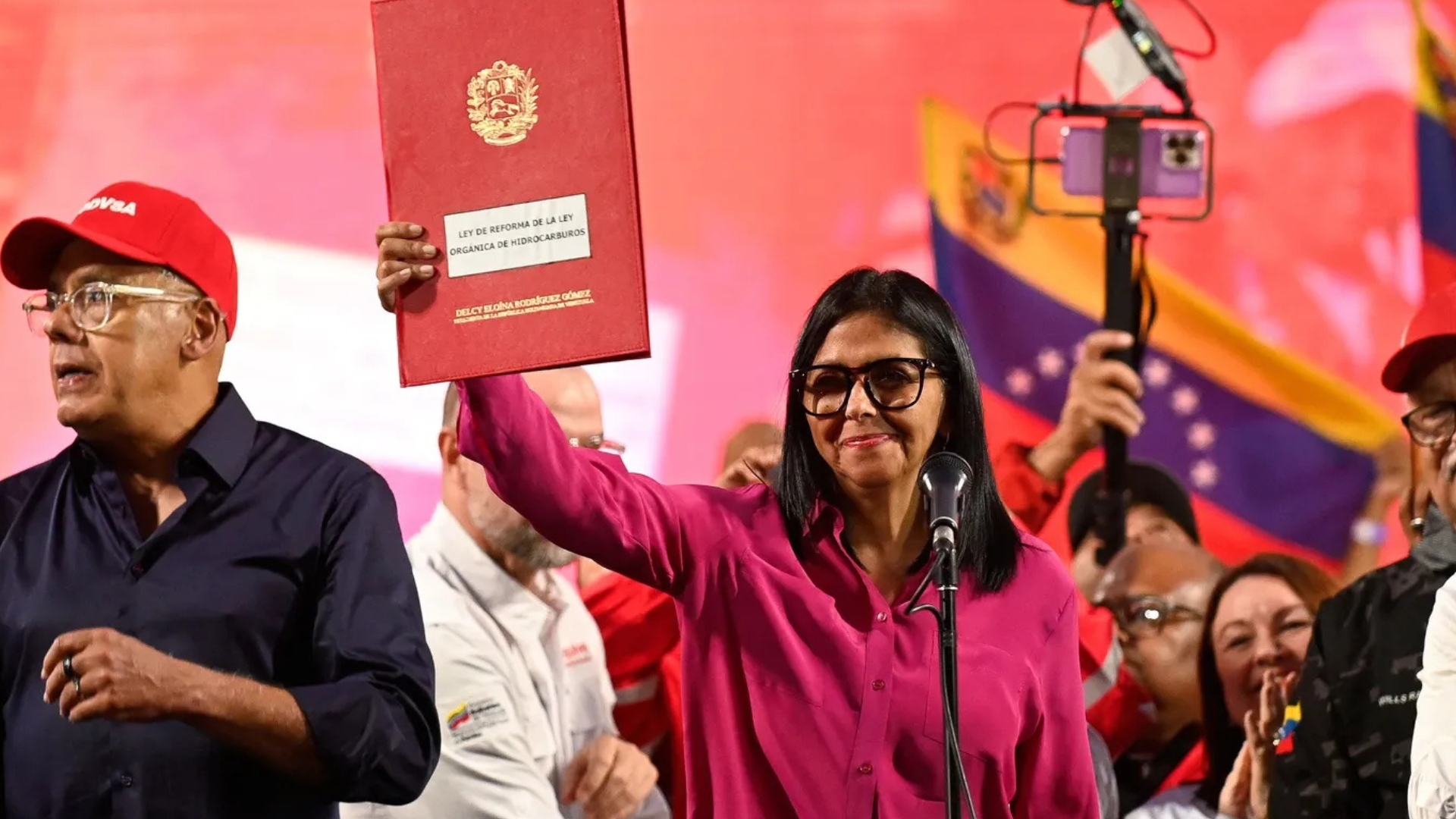
Venezuela’s interim government signed legislation this week easing stringent state control over the petroleum sector and explicitly opening avenues for private investment. This significant regulatory overhaul follows heightened international focus on the nation’s substantial hydrocarbon reserves. The action represents a major shift in policy for the historically nationalized industry.
Reports indicate that the primary motivation behind this legislative change is to revitalize the country’s flagging oil production capabilities. The move is widely viewed as an attempt to attract the foreign capital and technological expertise necessary for complex extraction and refining operations. This economic opening has drawn immediate attention from international energy majors.
Geopolitical observers note that this decision occurs amid previous, focused political pressure directed at Caracas regarding its energy resources. While the specific impact of prior US actions remains debated, the timing of this liberalization suggests a direct response to sustained external economic dialogue. Elias Ferrer, founder of Orinoco Research, provided context on the potential domestic beneficiaries of the reform.
Andrew Lipow, president of Lipow Oil Associates, commented that the legislation appears structured to facilitate the re-entry of large, established international oil companies. These firms possess the scale required to undertake the massive infrastructural rehabilitation Venezuela’s oil fields currently necessitate. The implications for global supply chains could be substantial if production rebounds.
However, the delineation of benefits—whether primarily favoring Venezuelan economic recovery or external corporate interests—remains a central point of contention. Phil Gunson, a senior analyst at the International Crisis Group, suggested that the ultimate distribution of gains will depend heavily on the specific terms negotiated with incoming investors.
Data from the last decade shows a steep decline in Venezuelan output following increased national control and subsequent sanctions regimes. The government is now signaling a clear pivot toward market mechanisms to reverse this trend, prioritizing output volume over absolute state ownership in the short term.
Looking forward, the immediate focus will center on the regulatory framework guiding licensing and profit-sharing agreements within the newly accessible oil blocks. Market participants await concrete details regarding operational security and the enforcement mechanisms for these new private sector contracts.