A New Global Reality
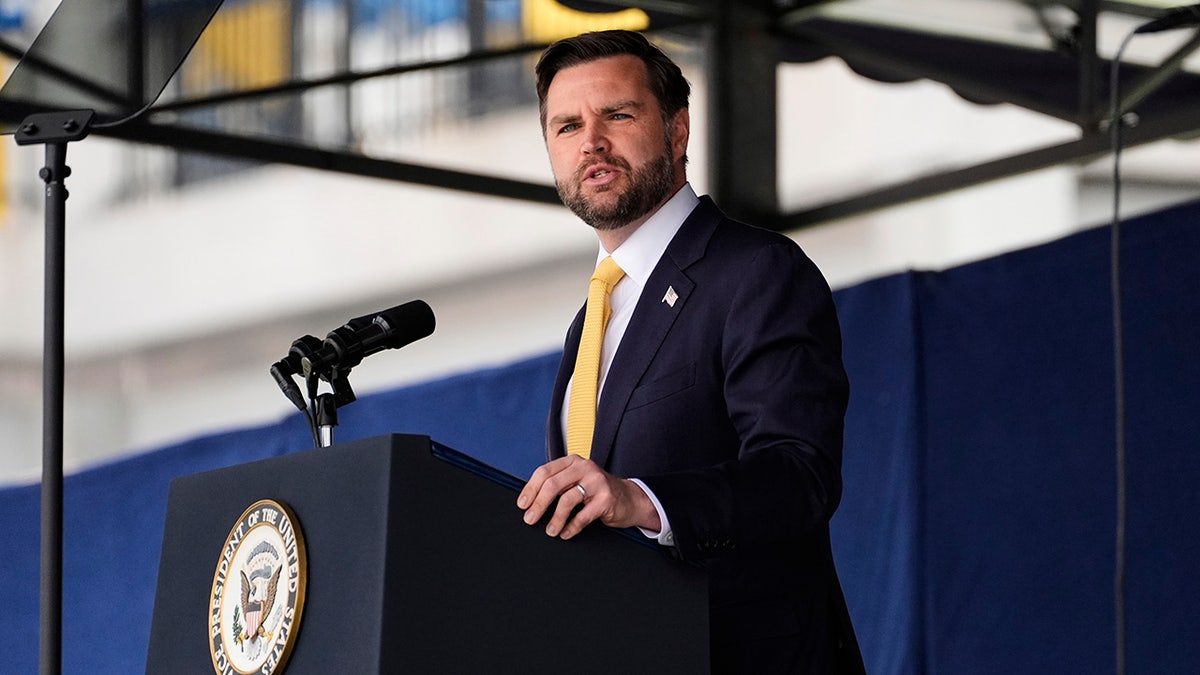
ANNAPOLIS, MD — Addressing the graduating class at the U.S. Naval Academy on May 23, 2025, Vice President JD Vance delivered a sobering assessment of the international order, declaring that the period of unchallenged American global supremacy has come to a definitive close. His remarks, which reflect the core tenets of the Trump administration’s evolving foreign policy, signaled a departure from the interventionist strategies that have defined Washington’s posture since the fall of the Soviet Union.
Vance noted that for decades, U.S. leadership operated under the assumption that American primacy was a permanent fixture of the global landscape. "Nor did we believe any foreign nation could rise to compete with the United States of America," Vance told the assembled midshipmen. That era, he argued, has been supplanted by a reality where nations such as China and Russia actively contest American influence across military, economic, and technological fronts.
Challenging the Status Quo
The Vice President highlighted a broad spectrum of competition, noting that adversaries are now challenging U.S. interests in areas ranging from space-based assets and communication infrastructure to global supply chains. According to Vance, the previous Washington consensus—which prioritized "soft power" and frequent involvement in the internal affairs of other nations—often occurred at the expense of core American security interests.
"The era of uncontested US dominance is over," Vance stated. He emphasized that the Trump administration intends to pivot away from what he termed "undefined missions" and "open-ended conflicts," moving instead toward a more selective and disciplined application of national power. By prioritizing national security over the nation-building projects of the past, the administration aims to focus resources on maintaining a distinct technological and military edge.
A Strategy of Selectivity
Illustrating this new approach, Vance pointed to the administration's recent military actions against Houthi rebels, which resulted in a successful ceasefire. He framed this as a model for future engagements: decisive, limited, and focused on clear, strategic objectives rather than prolonged, multi-year interventions.
This shift also includes a firm expectation that international allies must shoulder a greater portion of the burden for collective defense. The Vice President highlighted the administration’s development of the $175 billion “Golden Dome” missile defense system as a cornerstone of this new strategy, balancing robust domestic defense investment with a more cautious approach to foreign entanglements.
Navigating a Multipolar Future
As the geopolitical landscape becomes increasingly multipolar, the challenge for the United States lies in adapting to a world where its influence is no longer a given. The acknowledgment by the Vice President that the U.S. must now compete in every domain suggests that the coming years will be defined by a delicate balance of strategic competition and cautious collaboration.
For the midshipmen preparing to enter the fleet, Vance’s address serves as a blueprint for the modern military officer’s role: protecting American interests in a world where the margin for error has narrowed and the nature of the threat is constantly evolving. Whether this shift succeeds in preserving American leadership remains to be seen, but the administration has made one thing clear: the days of operating without a peer-level challenger are firmly in the past.