The Utah County Sheriff's Office announced Wednesday that it has formally closed a cold case from 1974 after new DNA technology identified serial killer Ted Bundy as the murderer of 17-year-old Laura Ann Aime. Aime disappeared after attending a Halloween party in 1974, and hikers discovered her body one month later in the American Fork Canyon. The identification comes 35 years after Bundy's execution in Florida.
Forensic Confirmation of Cold Case
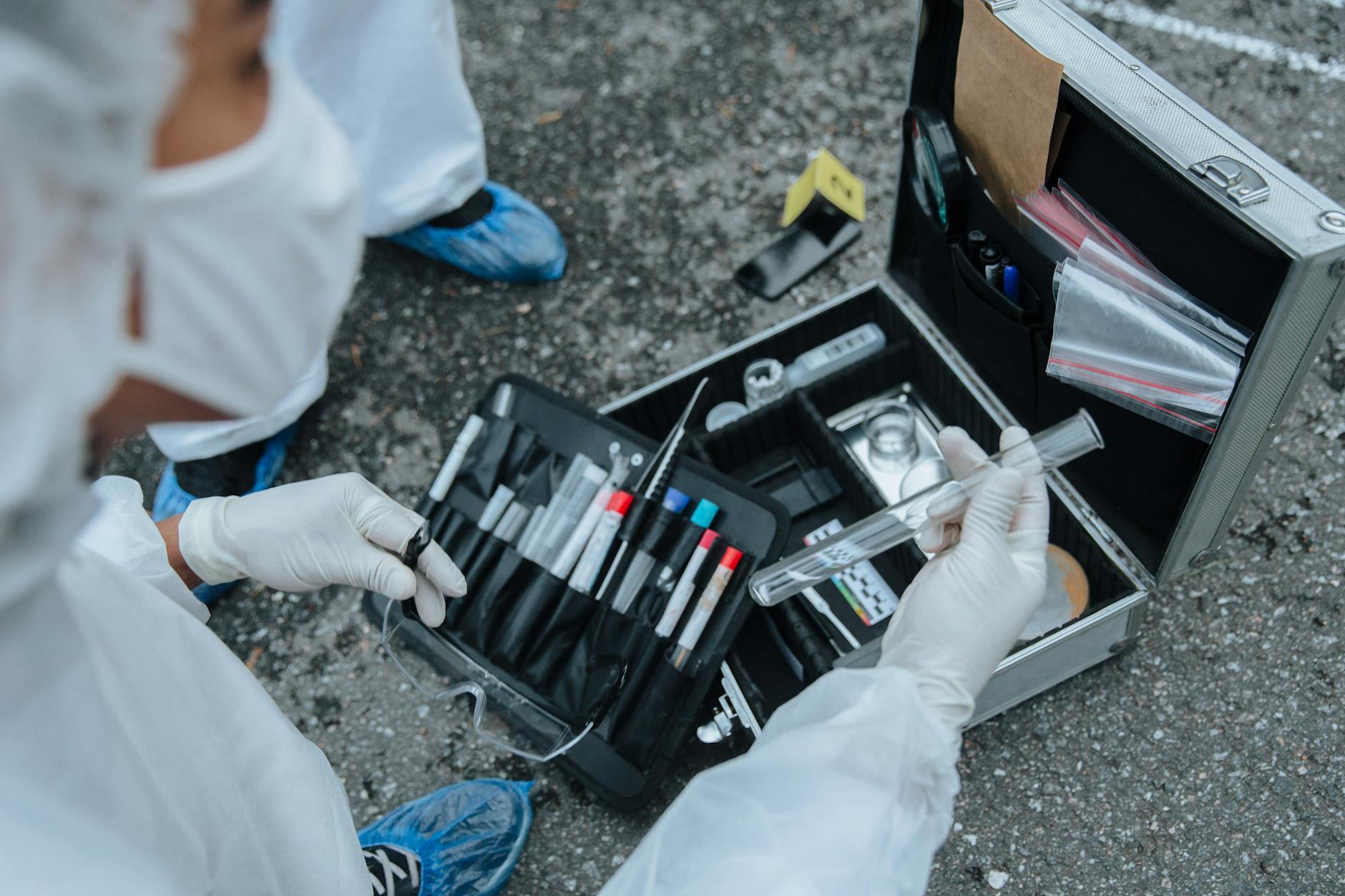
Investigators utilized modern forensic testing to analyze evidence recovered from the victim's body. According to the sheriff's office, the results confirmed irrefutably that DNA belonging to Bundy was present. This scientific evidence provides the definitive link that investigators lacked for five decades.
"This case is now officially closed," Utah County Sheriff Mike Smith declared during a news conference, as reported by The Salt Lake Tribune.
The History of the Aime Investigation
Before his 1989 execution, Bundy confessed to the killing of Laura Ann Aime. However, he refused to provide specific details or elaborate on his involvement in the crime. Because of this lack of cooperation, the Sheriff's Department kept the case open to ensure a conviction based on physical proof rather than a confession alone.
Bundy is one of the most notorious serial killers in United States history, with at least 30 confirmed victims between February 1974 and February 1978. His crimes spanned multiple states, including Washington, Colorado, Utah, and Florida. During the time of Aime's disappearance, Bundy lived in Salt Lake City while studying law at the University of Utah.
Evolution of Forensic Capabilities
This resolution highlights the growing impact of advanced DNA profiling on the American justice system. Many law enforcement agencies across the U.S. are currently revisiting decades-old evidence to resolve cold cases that were impossible to solve with 1970s technology. The use of genetic genealogy and sensitive DNA sampling has turned previously inert evidence into actionable leads.
Sheriff Smith noted that if Bundy were still alive today, prosecutors would have pursued the death penalty for this specific crime. The department described Aime as an outgoing free spirit who enjoyed hunting and riding horses. This closure provides a definitive legal conclusion for the family and the community.
Broader Implications for Cold Case Law
The closure of the Aime case reflects a broader trend of using science to correct historical gaps in criminal records. As forensic technology becomes more accessible, authorities expect to link other unidentified victims to known serial offenders. Legal experts will continue to monitor how these late-stage identifications impact the archives of national crime statistics.