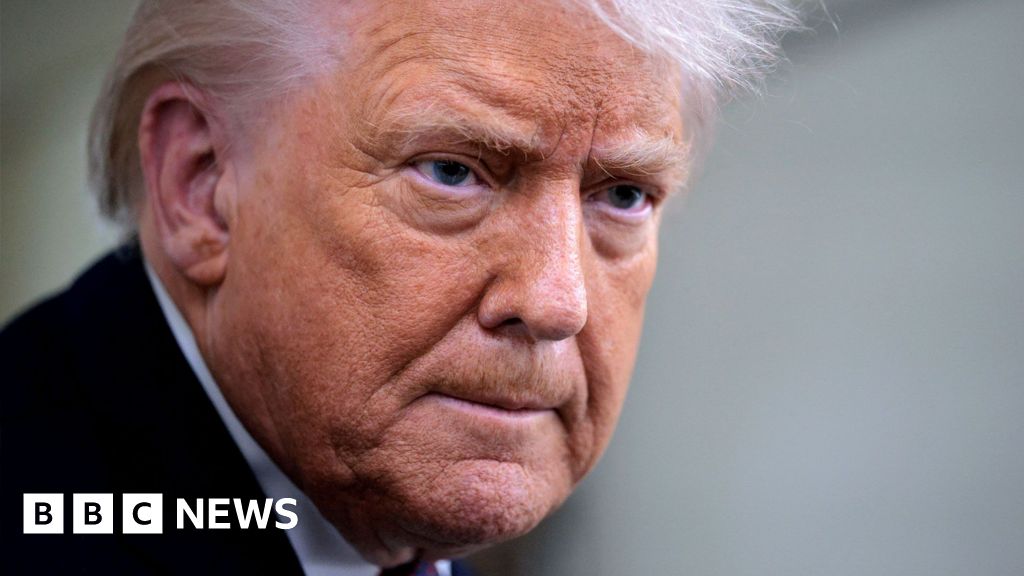
Trump Shifts Strategy as Minneapolis Shooting Sparks Political Crisis
Administration abandons initial defensive stance following fatal ICE shooting of nurse Alex Pretti, as Democrats threaten government shutdown over immigration enforcement tactics.
Trump Shifts Strategy as Minneapolis Shooting Sparks Political Crisis
Publicidad
The Trump administration has executed a dramatic strategic pivot following the fatal shooting of Alex Pretti, a 37-year-old nurse, by federal immigration agents in Minneapolis, signaling broader challenges to the president's signature deportation campaign.Within 24 hours of the Saturday incident, the White House abandoned its characteristic "deny and attack" response as video evidence contradicted official accounts, forcing a recalibration that could have significant implications for both domestic policy and political positioning ahead of potential government funding negotiations.The initial federal response painted Pretti as a domestic terrorist. Homeland Security Secretary Kristi Noem claimed he was "brandishing" a weapon with intent to "inflict harm," while senior presidential adviser Stephen Miller labeled him a "would-be assassin." This messaging strategy, consistent with the administration's approach to a similar incident three weeks prior involving Minneapolis resident Renee Good, quickly became untenable.Multiple video recordings of the encounter showed Pretti filming ICE agents with his mobile phone and assisting a woman who had been pushed over, before both were pepper-sprayed. The footage revealed Pretti was not holding a weapon when wrestled to the ground, contradicting federal claims despite authorities' assertion that he possessed a legally-owned 9mm handgun under Minnesota's concealed carry laws.The political ramifications have been swift and bipartisan. Vermont Governor Phil Scott characterized federal operations as "a complete failure" at best, or "deliberate federal intimidation" at worst. Utah Senator John Curtis criticized what he termed Homeland Security's "premature" response, while Minneapolis Police Chief Brian O'Hara noted his officers made hundreds of arrests last year without fatal shootings.Deputy Attorney General Todd Blanche described the situation as a "powder keg," acknowledging the volatile political environment as Democrats escalate their opposition to ICE tactics. Senate Democrats have announced plans to block Department of Homeland Security funding, potentially triggering a partial government shutdown Friday."I am voting against any funding for DHS until and unless more controls are put in place to hold ICE accountable," declared Senator Brian Schatz of Hawaii, reflecting growing Democratic resolve despite historical reluctance to engage in shutdown politics over immigration issues.The administration's tactical shift became evident with Trump's appointment of Tom Homan as "border czar" for Minnesota operations. Homan, who managed deportations under the Obama administration, is viewed as more politically astute than current leadership. Trump described him as "tough but fair," suggesting awareness of public opinion challenges.Recent polling data indicates mounting public skepticism, with 61% of CBS survey respondents describing ICE as "too tough" in detention operations, while 58% disapprove of Trump's overall immigration handling. These metrics underscore the political stakes as the administration attempts to balance enforcement priorities with public acceptance.A potential de-escalation emerged Monday when Trump announced a "very good call" with Minnesota's Democratic Governor Tim Walz, describing their conversation as finding "similar wavelength." This marked departure from recent heated exchanges could signal broader recalibration efforts.The crisis highlights fundamental tensions within Trump's immigration strategy, a cornerstone policy that helped secure his return to office. As both parties navigate this explosive situation, the outcome may significantly influence public perception of federal law enforcement tactics and shape legislative dynamics around government funding negotiations.Source: BBC News