A Growing Humanitarian Concern
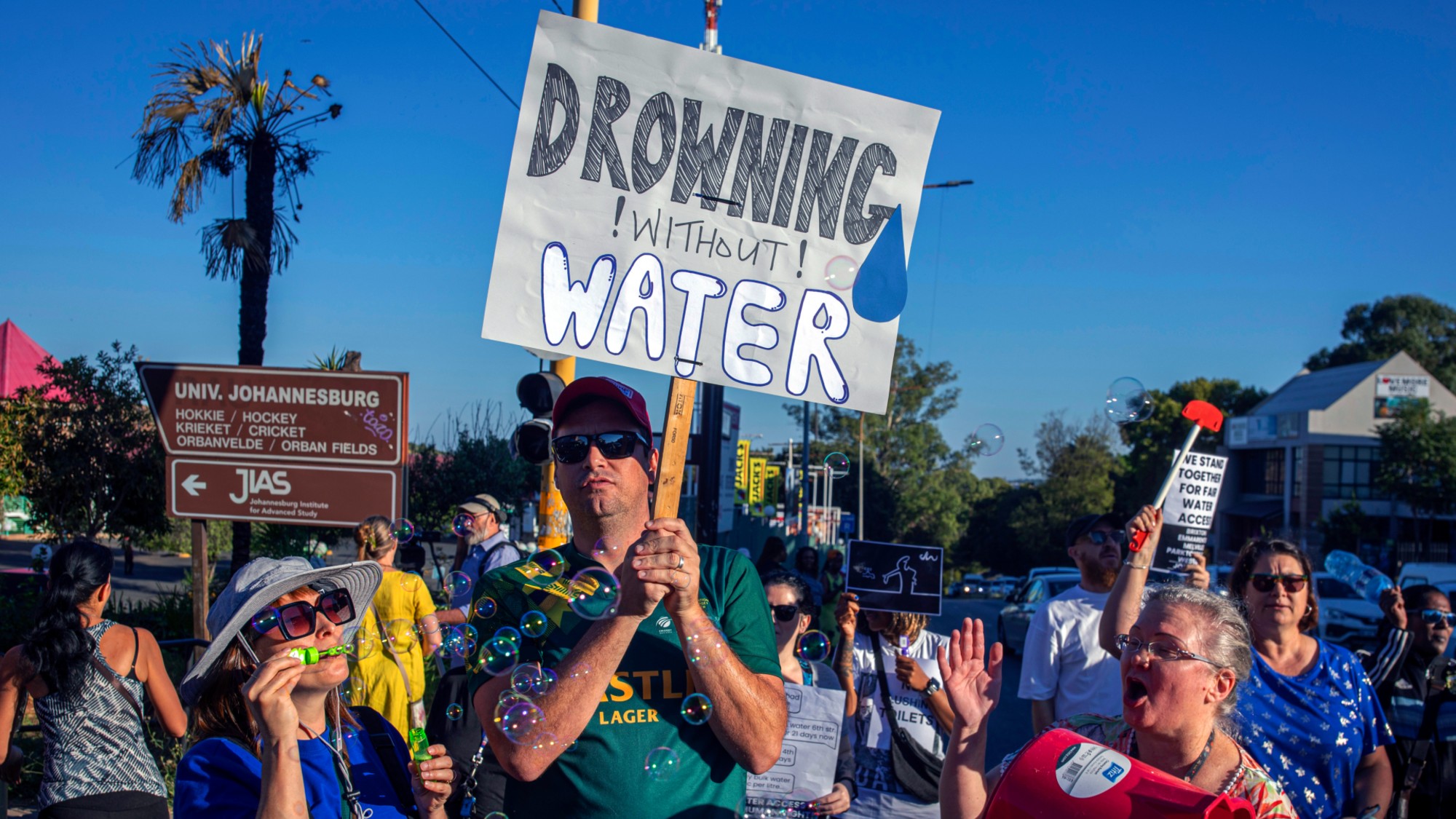
South Africa is currently grappling with a severe water crisis that has left residents in affluent suburbs and impoverished townships alike without consistent access to clean water. In Johannesburg, some neighborhoods have reported dry pipes for over a month, forcing frustrated citizens into the streets to protest. What began as a series of intermittent disruptions has evolved into a systemic failure, with many residents noting that the lack of water is proving more detrimental to daily life and public health than the infamous power blackouts of previous years.
In Hammanskraal, located 100km north of Johannesburg, the situation is even more dire. Residents there have endured unreliable water access for over a decade. Pastor Tshepo Mahlaule, a local resident, described the struggle of trying to maintain basic hygiene and household chores without a functional tap, emphasizing that the crisis is stripping citizens of their dignity and basic rights.
The Rise of 'Water Mafias'
As municipal infrastructure continues to falter, local governments have increasingly relied on private water tankers to supply communities. However, this reliance has paved the way for the emergence of what experts and residents describe as "water mafias." These criminal syndicates are accused of manipulating the tender process to secure municipal contracts, only to engage in corrupt practices that ensure their services remain necessary.
Dr. Ferrial Adam, executive director of the non-profit organization Watercan, explains that these syndicates often lack the expertise to provide legitimate services. Worse, she notes that some actors intentionally vandalize existing water infrastructure to ensure the municipality continues to pay for tanker services. "They don't want the tender to end, so they damage and vandalize infrastructure so that they can continue working," Adam stated.
Fear and Extortion
Beyond the sabotage of infrastructure, there are growing reports of direct extortion. Residents in affected areas have reported that some tanker drivers, who are supposed to distribute water for free as part of municipal efforts, are demanding payment from citizens. For those living in poverty, this creates an impossible barrier to obtaining a life-sustaining resource.
This climate of exploitation has fostered a pervasive sense of fear. According to Dr. Adam, residents are often too intimidated to report these criminal activities to the authorities. The fear is simple but devastating: if an individual speaks out against the tanker operators, they risk being cut off from their only source of water entirely. Consequently, these groups operate with a high degree of impunity.
A Call for Accountability
While President Cyril Ramaphosa publicly urged law enforcement last year to dismantle these criminal operations, progress remains stagnant. Experts point out that the "water mafia" phenomenon, which first gained traction in the Eastern Cape and KwaZulu-Natal provinces, has become deeply entrenched due to a lack of oversight and the ongoing degradation of public utilities.
As the crisis persists, the situation serves as a stark reminder of the vulnerability of public services when infrastructure is neglected. Without significant investment in water systems and a rigorous crackdown on the syndicates profiting from the shortage, the residents of South Africa remain trapped in a cycle of dependency and exploitation.