Housing and Urbanism Minister Iván Poduje announced Tuesday that the government will intervene in 50 "critical neighborhoods" by 2026, targeting areas heavily infiltrated by drug trafficking and organized crime.
Speaking before the Senate Housing and Urbanism Committee in Valparaíso, Poduje outlined a broader strategy to address 152 high-risk districts. The plan includes the demolition of uninhabitable structures and potential reconstruction, prioritizing areas where criminal gangs have seized control of government-subsidized housing.
“We have more than 600 Serviu properties taken over in these complexes,” Poduje said. “We have to remove these narcos who are occupying homes and leaving neighbors terrified.”
Targeting Gang Activity and Corruption
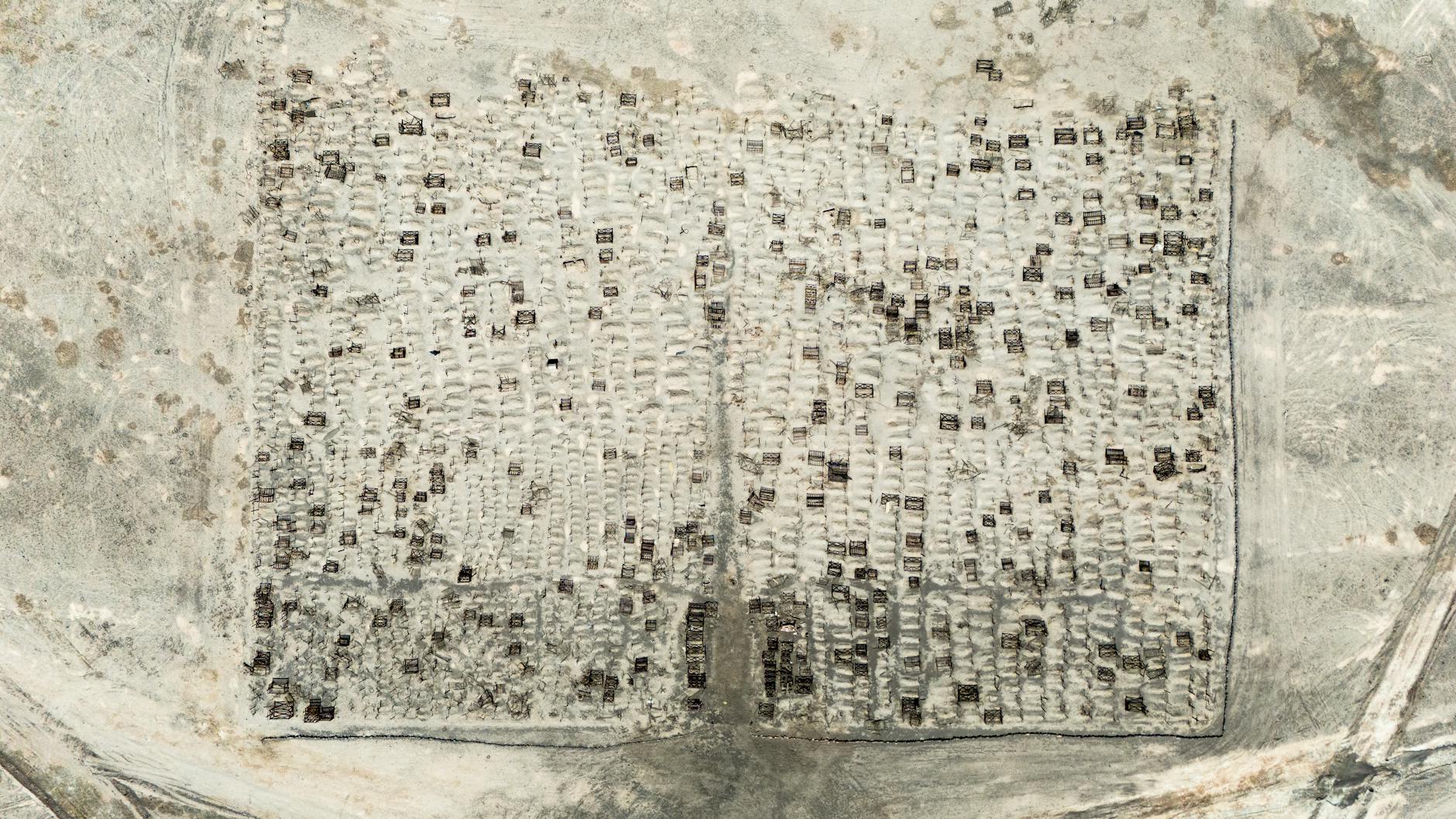
The operation begins at Cerro Chuño in Arica, a site identified by authorities as a stronghold for the Tren de Aragua criminal organization. Because the area is contaminated with toxic materials, the ministry intends to demolish existing structures without plans for rebuilding.
Poduje emphasized that the crisis stems from long-term neglect, poor construction quality, and the rise of illicit operators. He cited specific examples of deterioration in neighborhoods such as Las Américas in Talca, Vicuña Mackenna in Rancagua, and Parinacota in Quilicura.
Beyond physical intervention, the minister launched an aggressive campaign against "operators" who facilitate housing subsidies through unethical means. Poduje accused these individuals of charging families exorbitant fees to secure spots on priority lists and promised to release a public registry of those involved.
“We are going to make a list of these people,” Poduje stated. “They are individuals who enter the Ministry of Housing and Urbanism through political contacts in various governments, and we are going to remove them and report them to the Public Prosecutor’s Office.”
The minister noted that the ministry is coordinating these efforts with the Minister of Security, Trinidad Steinert, and local mayors. He characterized the initiative as one of the most urgent and complex tasks facing his department, noting that some areas lack basic infrastructure like potable water despite having thousands of homes built outside legal frameworks.