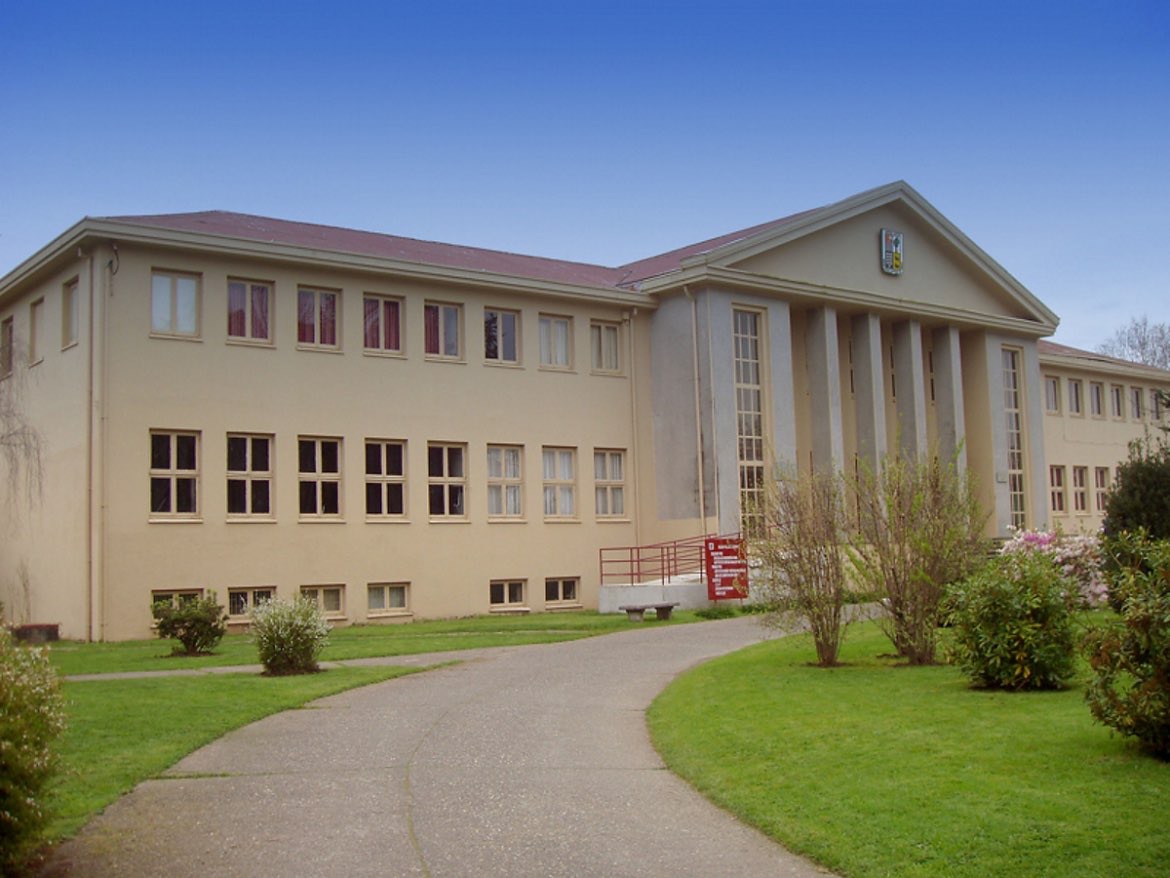
Science Minister Ximena Lincolao was trapped inside the Universidad Austral de Chile (UACh) in Valdivia for three hours on Wednesday after being targeted by student protesters. The minister had been invited to the university to participate in the inauguration of the academic year when the demonstration turned into an assault.
Following the incident, the Ministry of Science reported that Lincolao required a rescue operation to exit the campus safely. Because the minister does not have permanent police protection due to her low-risk profile, she was secured by investigators from the PDI and eventually evacuated in a vehicle belonging to the Chilean Navy’s maritime authority.
Sources within the police told La Tercera that officers requested authorization to enter the campus to extract the minister and restore order, but university authorities denied the request. Under current regulations, police cannot enter university grounds without institutional consent.
However, the university has issued a formal denial of these claims. Officials at the UACh stated the institution remains open to the public and maintains constant communication with police forces, rejecting the assertion that they blocked law enforcement from intervening.
University leadership condemns violence
The Consorcio de Universidades del Estado de Chile (Cuech) and the Consejo de Rectores (Cruch) issued statements condemning the attack. The Cuech stated that “this type of facts is incompatible with the basic conditions that higher education institutions must safeguard for the development of their functions.”
The organization further declared that “the integrity of people, reciprocal respect and informed deliberation constitute indispensable prerequisites for university life and cannot be relativized under any circumstances.” The Cuech expressed solidarity with the minister and confirmed support for any disciplinary actions the university takes against the individuals responsible.
The Cruch joined the condemnation, stating that it rejects the violence “categorically.” The council of rectors emphasized that universities are, by essence, spaces for meeting, reflection, and respectful dialogue.
“The confrontation of ideas is part of their fundamental work; violence, on the other hand, interrupts that process, inhibits participation and deteriorates the essence of these institutions,” the Cuech noted in its statement. The group urged a return to environments where disagreements are expressed through arguments rather than force.