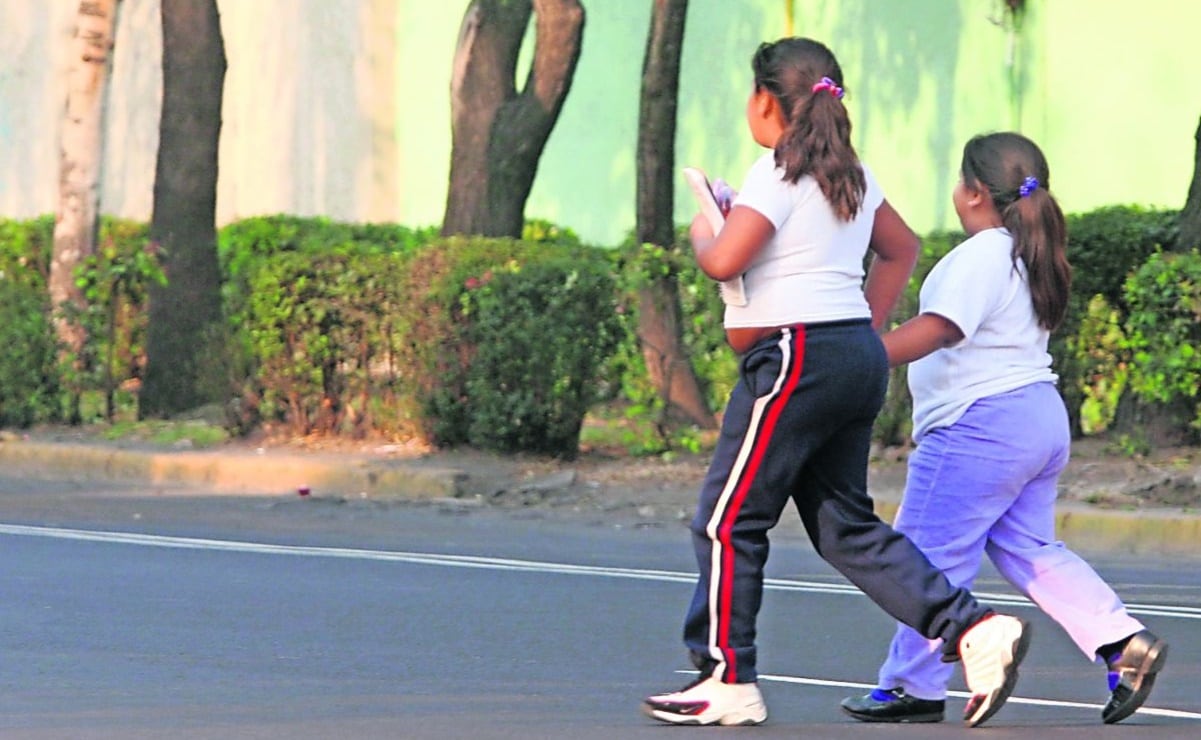
Mexico occupies the eighth position globally regarding childhood obesity rates among minors aged five to 19 years in 2025. The World Obesity Atlas 2026 report indicates that more than 13 million children and young people in the nation are affected by excessive body weight. This ranking places the country below major economies like China and India while surpassing nations including Brazil and the United States in specific demographic metrics.
Specific data published in the document titled World Obesity Atlas 2026 Childhood Obesity Second Edition reveals distinct age group statistics within the national territory. Authorities calculate that approximately three million 966 thousand children between five and nine years old carry elevated body mass indices according to the latest census. Additionally, the report estimates that nine million 161 thousand adolescents aged ten to 19 face similar health risks within the same calendar year.
These ten nations collectively concentrate more than 200 million school-aged children with elevated body mass indices according to the published study findings. Mexico ranks below countries such as China, India, and the United States but remains higher than Nigeria and the Congo in terms of prevalence rates among youth. The Federation of World Obesity notes that these figures represent a non-commercial publication focused on the significant rise of the issue over the past half century.
Medical professionals warn that sustained obesity levels lead to severe chronic conditions affecting the pediatric population immediately and require long-term management. Reported comorbidities include hypertension, hyperglycemia, elevated triglycerides, and fatty liver disease linked to metabolic dysfunction attributed to body mass indices. Such health complications impose a long-term strain on the national healthcare infrastructure and reduce overall population productivity significantly.
Historical data provided by the World Health Organization shows a rapid escalation in global obesity cases over the last five decades of recorded statistics. In 1990, approximately 31 million children and adolescents were obese worldwide, a figure that rose to roughly 160 million by 2022 according to their records. This represents an increase from four% of the population in 1975 to nearly 20% in 2022, according to the federation.
Public health officials emphasize that childhood obesity carries adverse psychosocial consequences beyond physical health risks for affected students and families. Students suffering from the condition face stigmatization and discrimination which negatively impacts academic performance and quality of life significantly. The World Health Organization states that these individuals face a higher probability of developing obesity and non-communicable diseases in adulthood.
From an economic perspective, the rising prevalence of obesity presents a significant challenge for Mexican fiscal planning and social security systems regarding future liabilities. The burden of treating metabolic diseases related to weight management will likely require increased public expenditure in the coming decades for the nation. Policymakers must consider these health metrics when evaluating national budgets and public investment strategies for the next administration to ensure sustainability.
The Instituto Mexicano del Seguro Social and the Ministry of Health face increasing pressure to allocate resources for pediatric metabolic care and treatment. Current funding models may struggle to accommodate the surge in patients requiring intervention for preventable chronic conditions associated with nutrition and lifestyle. Experts suggest that preventative policies are more cost-effective than treating advanced complications later in life for the public system.