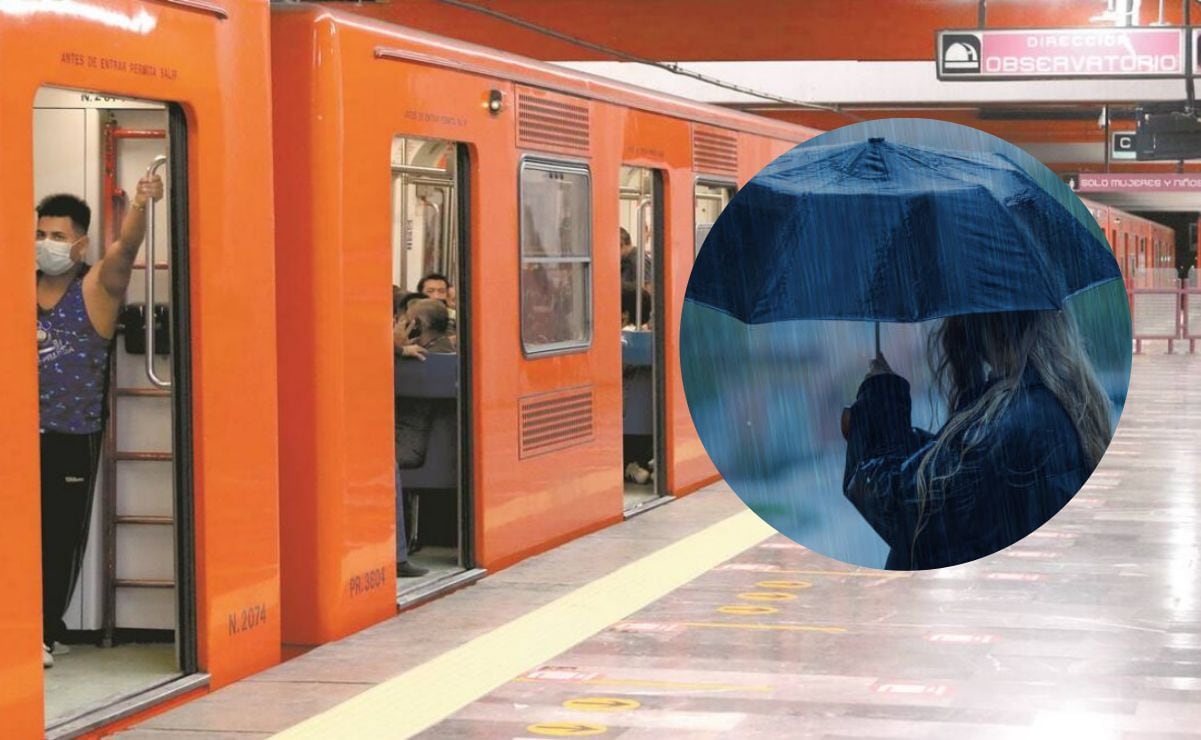
Mexico City’s public transport network faced significant disruptions this Tuesday as the Sistema de Transporte Colectivo initiated a comprehensive safety march. The measure affects all 12 lines of the Metro system following persistent rainfall across the capital region. Officials stated the protocol reduces train speeds to ensure passenger safety during adverse weather conditions throughout the metropolitan area.
Operational Adjustments
According to El Universal, the transit authority confirmed that trains will circulate at approximately 25 kilometers per hour to maintain stability. This reduction in velocity aims to prevent electrical shorts caused by water accumulation on the tracks and signaling equipment. Commuters reported slower travel times throughout the metropolitan area as a direct result of these mandatory operational adjustments.
Metrobús Impact
The Metrobús system also experienced operational challenges, specifically on Line three where congestion increased significantly due to heavy precipitation. Staff advised passengers to expect longer wait times and plan their journeys accordingly to avoid being stranded at stations. Several routes faced delays that rippled through the broader bus rapid transit network during peak hours.
Safety Protocols
The STC issued specific safety warnings to mitigate risks associated with the wet conditions and potential electrical hazards. Passengers were urged to avoid dropping umbrellas onto the tracks, as moisture can cause short circuits that disrupt service. These electrical issues have historically interrupted service during storm events across the city.
"Rain continues in the city, safety march implemented across the entire network," the Metro stated in an official notice. The announcement emphasized the need for riders to take precautions while navigating the stations to prevent accidents. Authorities requested cooperation to maintain smooth flow at station entrances and exits.
"Service shows delays on the entire Line three," the Metrobús operator reported regarding the bus rapid transit system. This coordination between different transport modes highlights the vulnerability of urban infrastructure to extreme weather. Officials maintain that service reliability remains a priority despite environmental challenges affecting the city.
Economic and Infrastructure Context
This incident underscores the fragility of aging infrastructure in rapidly growing Megacities within the region. Similar safety measures were adopted during previous storm seasons to protect critical rail systems from water damage. The economic cost of such delays affects labor productivity and daily commutes significantly for millions of residents.
Commuter Safety
Security staff are directing crowds to prevent overcrowding at platform edges during the reduced speed operations. Riders must allow passengers to exit trains before boarding new ones to avoid bottlenecks in the stations. These measures are standard protocol during high-volume traffic periods or emergencies across the network.
Future Outlook
The capital’s weather service continues to monitor precipitation levels for potential escalation beyond current forecasts. If rain persists, transit authorities may extend the safety march into evening rush hours to accommodate commuters. Citizens are encouraged to follow official updates via the Sistema de Transporte Colectivo channels for real-time information.