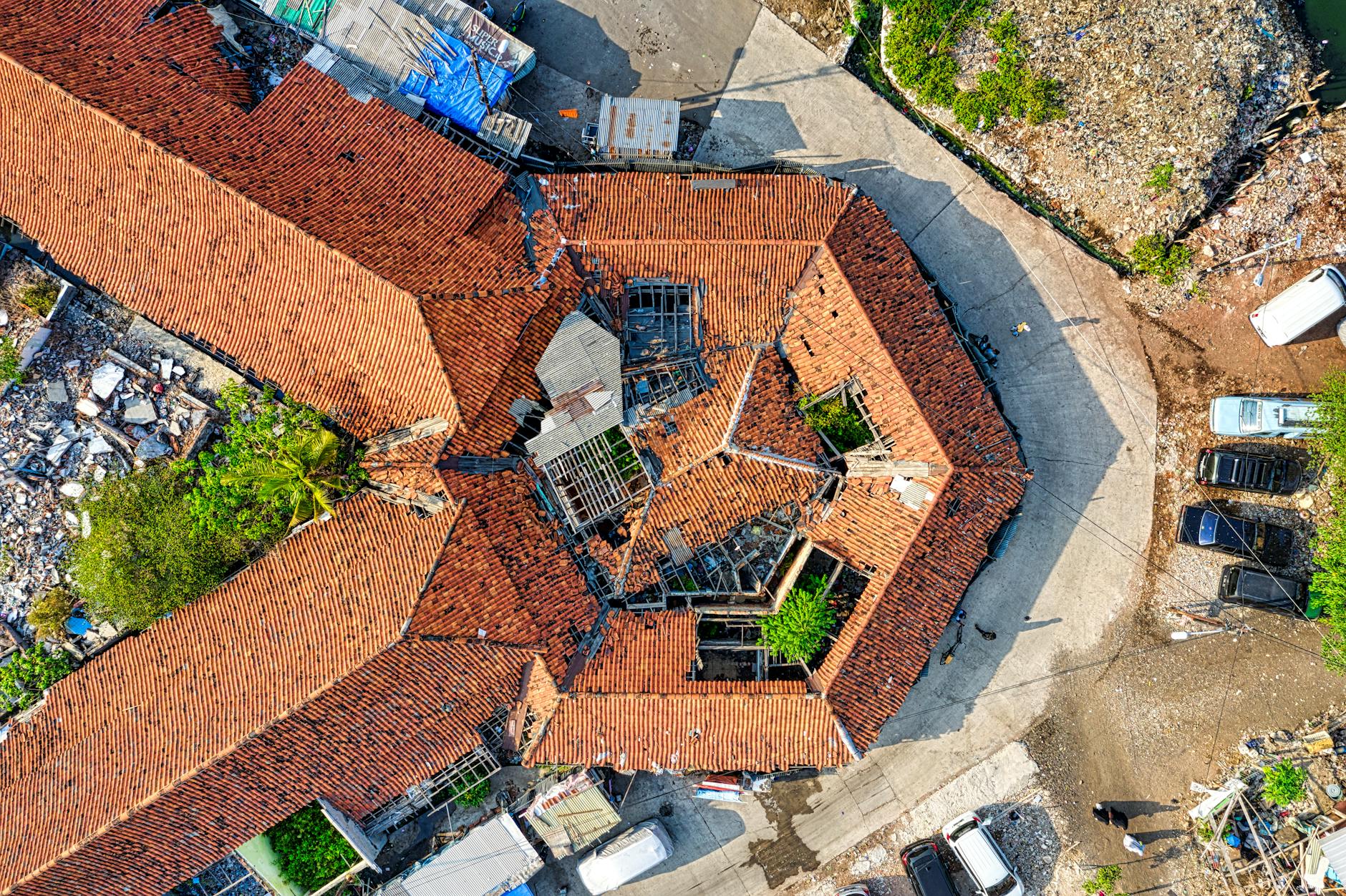
A 7.4-magnitude earthquake struck the Molucca Sea off Indonesia's Ternate island early Thursday, resulting in at least one death. The quake occurred at 06:48 local time at a depth of 35km, causing widespread panic across the North Maluku and North Sulawesi regions. Local authorities and international monitoring agencies responded immediately to the seismic event.
Casualties and Local Infrastructure Damage
Indonesia's national news agency Antara reported that a 70-year-old woman in North Sulawesi died after being crushed by building debris. Another individual sustained a broken leg after jumping from a building during the tremors. The national geological agency confirmed damage to various buildings and multiple injuries approximately one hour after the initial shock.
In Manado, search and rescue teams documented significant structural failures at a local sports complex. Footage shows bent metallic structures and heavy furniture displaced across the facility. Medical facilities also faced disruptions, with Siloam Hospital in Manado forced to evacuate patients into makeshift outdoor treatment areas.
Tsunami Alerts and Regional Response
The Hawaii-based Pacific Tsunami Warning Center initially issued alerts for several nations, stating that waves under 0.3m were possible. The warning covered the coasts of Japan, Malaysia, Papua New Guinea, the Philippines, Taiwan, and Guam. Officials lifted the tsunami alert after two hours when the threat subsided.
Residents in the affected areas described the intensity of the quake as exceptional compared to typical regional activity. One resident in Bitung reported chaotic scenes at local schools as teachers urged parents to evacuate children immediately. Others noted that the shaking lasted long enough to cause dizziness and structural vibrations.
"It was really strong... My head even felt dizzy," journalist Isvara Safitri told BBC Indonesian regarding the tremors in central Manado.
Seismic Vulnerability in the Molucca Sea
This event underscores the extreme seismic vulnerability of the Indonesian archipelago, which sits atop the Pacific Ring of Fire. While the region frequently experiences tremors, residents described this specific quake as one of the strongest in at least six years. Such high-magnitude events often test the resilience of local infrastructure and emergency response protocols.
The Molucca Sea is a complex tectonic zone where multiple plates interact, making it a hotspot for deep-sea earthquakes. This geographic reality necessitates constant vigilance and sophisticated early-warning systems to prevent mass casualties during larger events. The speed of the tsunami warning withdrawal indicates an improvement in real-time data processing.
Outlook for Aftershocks and Recovery
Authorities have already recorded at least two significant aftershocks with magnitudes of 5.5 and 5.2. The national geological agency warned that further tremors are likely as the tectonic plates stabilize. Residents remain on high alert, with many continuing to seek shelter in open areas.
Recovery efforts will now focus on assessing the full extent of the structural damage in Ternate and Sulawesi. Economic impacts on local markets and transport hubs are expected to be minimal, though some power outages were reported. Global monitors continue to track the region for any secondary seismic shifts.