A Stalled Start for the Executive
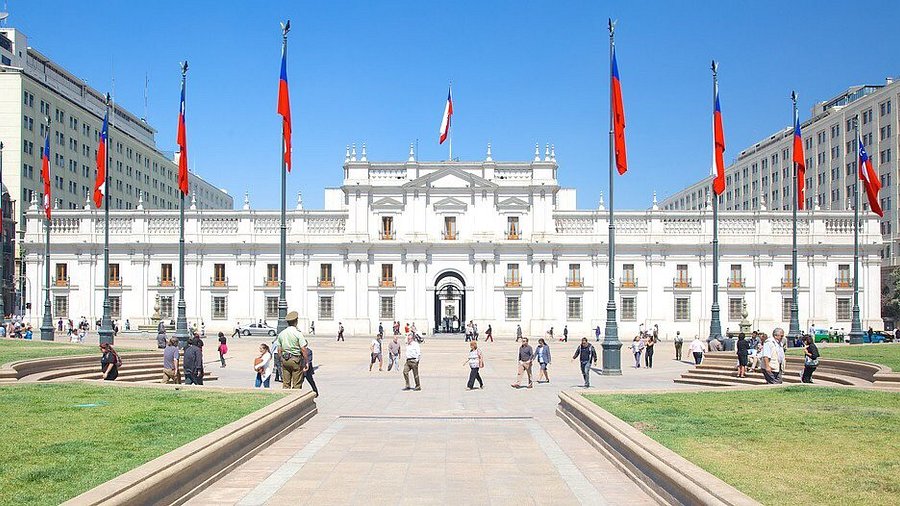
Despite the recent election of Senator Paulina Núñez (RN) as the new president of the Upper House, the Chilean Senate remains mired in an internal dispute that threatens to derail the government’s early legislative goals. The delay in defining the composition of legislative committees has created a structural bottleneck, preventing the government of President José Antonio Kast from advancing its primary policy agenda.
While the selection of a new Senate president was a positive development for La Moneda, the subsequent task of distributing committee seats—a process requiring approval by the full chamber—has proven to be a significant hurdle. These committees are the engine room of the legislative process; without them, no new bill can be reviewed or processed, effectively bringing the government’s momentum to a standstill.
The Economic and Security Stakes
The administration is particularly concerned about the delay, as it has prioritized a series of urgent economic measures. Among these is a proposed adjustment to the Fuel Price Stabilization Mechanism (Mepco), designed to mitigate rising energy costs exacerbated by the ongoing conflict in the Middle East. Furthermore, a comprehensive 'Reconstruction' bill, featuring 40 separate measures ranging from tax adjustments to stricter penalties for illegal immigration and illicit trade, remains trapped in limbo.
During a meeting between government ministers Jorge Quiroz (Finance) and José García (General Secretariat of the Presidency) and opposition senators, the gravity of the situation was made clear. Opposition lawmakers, including Senator Diego Ibáñez, warned that the government’s push for urgency is currently moot, as there is no functional infrastructure to review these proposals. Even the 'immediate discussion' status granted to a bill criminalizing illegal immigration has been rendered ineffective, as the Government Committee required to review the text has not yet been formed.
Seeking a Way Forward
As of Wednesday, the legislative outlook remains bleak. While some optimistic projections suggest a resolution could be reached by next Tuesday, others fear the standoff could extend until after the Easter holiday. Currently, the Senate is restricted to debating projects that were finalized during the previous administration, leaving the current government’s legislative program in a state of institutional paralysis.
La Moneda has considered initiating certain bills in the Chamber of Deputies to bypass the Senate delay; however, ministers argue this would be insufficient given the time-sensitive nature of the economic crisis. The only remaining constitutional lever available to President Kast would be to convene extraordinary sessions of Congress—a rare move that has only been utilized once in the last 36 years of democracy, during the recent pension reform.
For now, the government must wait for the opposition to resolve its internal divisions. Until the Senate committees are formally constituted, the administration’s plans for reconstruction and fiscal stability will remain sidelined, forcing La Moneda to navigate a precarious political environment with limited legislative tools at its disposal.