Julio Anativia, the regional presidential delegate for Biobío, officially confirmed a significant administrative error regarding disaster relief funds following the January wildfires. The investigation revealed that 55 beneficiaries received double payments for recovery assistance intended for the most vulnerable families in the affected zone. Authorities have initiated formal inquiries to identify the source of the administrative mistakes and prevent similar occurrences in future relief operations. The situation has drawn sharp criticism from opposition lawmakers who question the integrity of the process.
Financial records indicate that affected families were paid approximately 1.5 million pesos instead of the designated 750,000 pesos per household as originally planned. This discrepancy represents a substantial overexpenditure during a critical period for regional reconstruction efforts and national budget allocation. The total value involved requires immediate reconciliation with the national treasury to ensure fiscal stability and proper accounting. Such errors strain the limited resources available for rebuilding the affected infrastructure.
Anativia stated that the error originated from the previous administration's management of the social aid program before the current leadership took full office. He noted that investigations would determine whether the fault lies with staff negligence or external processing factors within the system. Sumarios, or administrative inquiries, are currently underway to assess liability among the responsible officials and department heads. This timeline aims to provide clarity before the next election cycle begins.
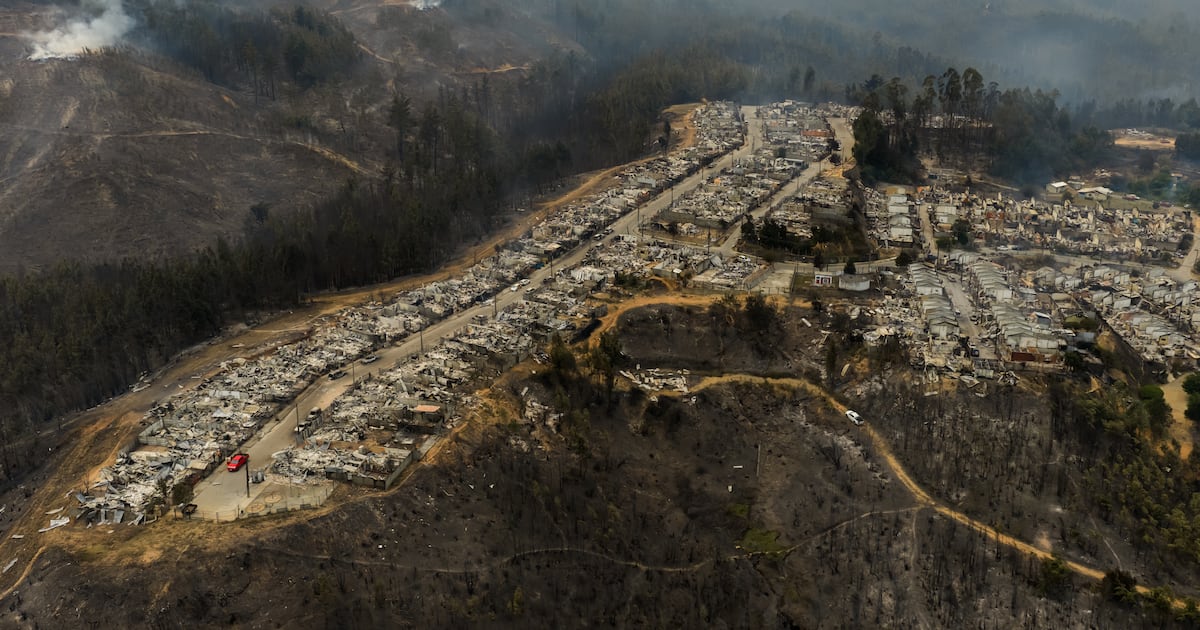
The wildfires impacted the central-southern region, including La Araucanía and Ñuble, with Penco emerging as the primary zone of destruction for the local community. The locality of Lirquén suffered extensive damage, becoming the focal point for emergency response operations and essential aid distribution. Thousands of residents lost homes and businesses during the crisis, complicating the relief distribution process significantly. The scale of the tragedy demands rigorous oversight to prevent further complications.
"We encounter once again lamentable situations of misuse of public resources," Anativia said according to La Tercera, highlighting the severity of the breach. This comment highlights concerns about accountability during times of national emergency and the proper stewardship of limited state funds. Critics argue that such errors undermine public trust in government institutions and their ability to manage crises effectively. The perception of waste can have lasting political consequences for the ruling coalition.
Joanna Pérez, a deputy from district 20, condemned the lack of diligence from the outgoing authorities during the sensitive transition period. She emphasized that every peso counts for families with limited economic resources who rely heavily on state support for survival. Her party called for a review of both administrative and political responsibilities to ensure transparency in the entire process. This stance reflects growing dissatisfaction with how public funds are handled during emergencies.
Roberto Arroyo of the Christian Social Party described the situation as serious disorder in public resource management and a clear failure in oversight. He stated that the State must ensure funds reach those who genuinely need them without diversion or unnecessary error. Arroyo expects the investigation results to lead to sanctions for both users and administrators who failed their duties significantly. The law requires strict adherence to budgetary regulations in all instances.
Senator Gastón Saavedra suggested there was likely functional negligence requiring legal action to restore order to the system and punish those responsible. He also argued that beneficiaries knowingly accepting excess funds should be reported to the Public Ministry for further review and potential prosecution. This dual approach targets both the administrative failure and potential fraud by individuals claiming aid unlawfully. The distinction between error and intent will be central to the legal proceedings.
The incident reflects broader challenges in Chile's social safety net administration during natural disasters and ongoing economic instability. Previous scandals involving public funds have raised questions about oversight mechanisms within the complex government bureaucracy. The government faces pressure to demonstrate strict fiscal responsibility and efficiency in public spending to regain voter confidence. Public trust is fragile and requires consistent maintenance through honest governance.
Future relief efforts will depend on the outcomes of the ongoing investigations and the implementation of stricter controls over disbursement. Officials must restore confidence in the distribution of state aid to vulnerable populations across the region to avoid further erosion of trust. Stakeholders are watching for concrete actions regarding the identified irregularities and the subsequent accountability measures taken by the state. The resolution of this case will set a precedent for future disaster management protocols.