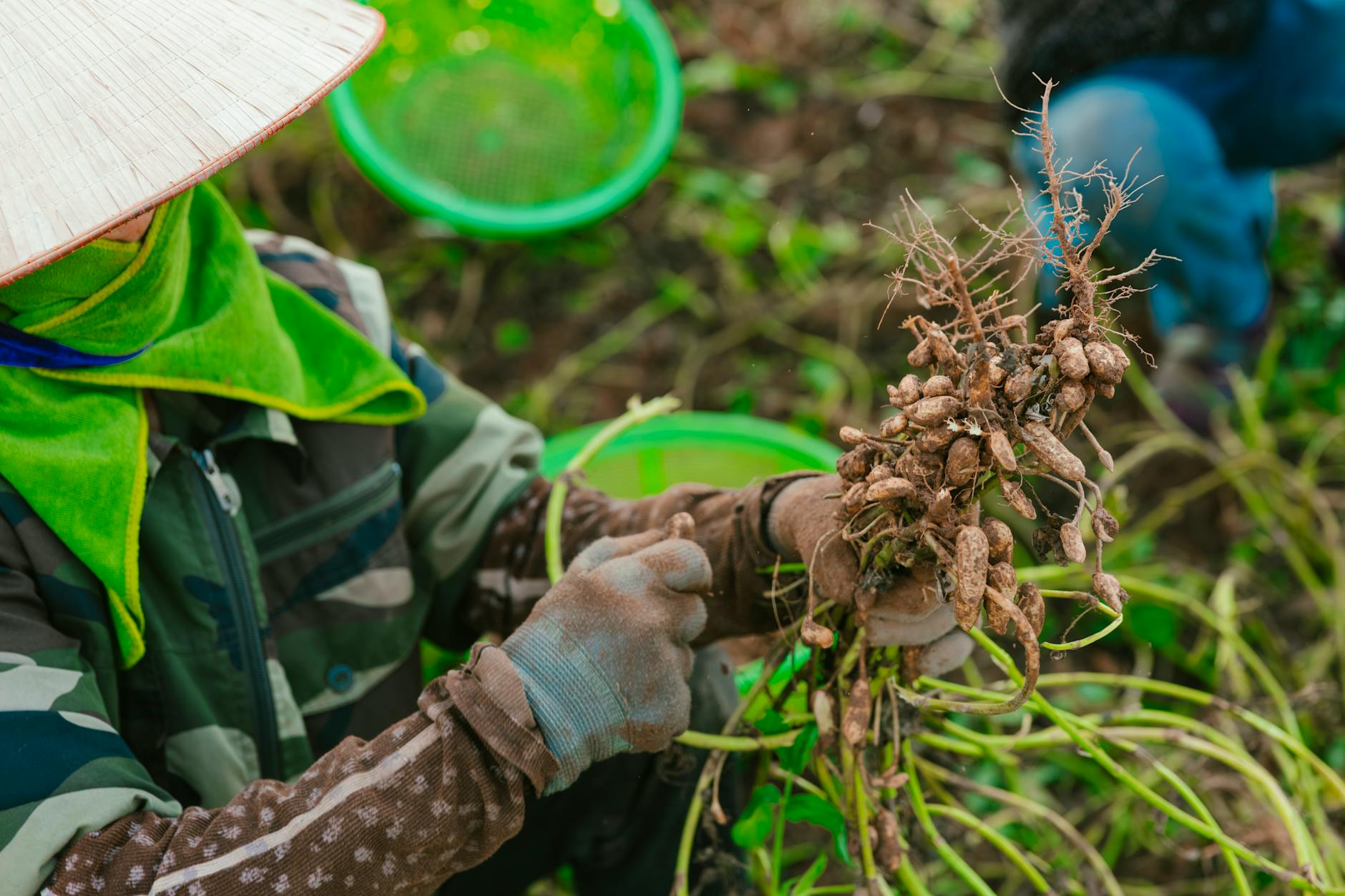
California state lawmakers voted unanimously last week to rename the state holiday honoring Cesar Chavez to Farmworkers Day. This decision follows sexual abuse allegations published by The New York Times against the late union leader. The move impacts public commemorations across the United States where Chavez remains a prominent symbol. Three-quarters of America’s fruits and nuts are grown in California, making the labor sector critical to the national economy.
Activists and officials argue that labor history should belong to the community rather than a single individual. State Senator Suzette Martinez Valladares emphasized the personal nature of farmwork when discussing the change. She noted that the legacy belongs to families like hers who cultivated crops under the sun. The legislation aims to honor the collective effort of the workforce instead of one specific figure.
Historical Context
Chavez previously received the Presidential Medal of Freedom and inspired a national holiday in 2014. His mantra Si, se puede became a staple in political campaigns including Barack Obama’s first run. These accolades now face scrutiny alongside the new criminal accusations. The reevaluation challenges the traditional narrative of labor leadership in the modern era.
"As the daughter and granddaughter of farmworkers, this is deeply personal," state senator Suzette Martinez Valladares said during a meeting to discuss removing Chavez's name from streets.
Huerta, 95, stated she remained silent for decades to protect the farmworkers movement. Her testimony triggered a reevaluation of Chavez’s historical standing in recent months. The allegations involve civil rights leader Dolores Huerta and two other women claiming past misconduct. This disclosure has altered the public perception of the National Farm Workers Association.
Future Implications
Public monuments are undergoing visible changes as artists and city councils respond to the controversy. Mayor Karen Bass expressed devastation regarding the allegations while acknowledging Chavez’s importance to labor justice. Murals in Los Angeles have been altered to reflect Huerta instead of Chavez. These physical changes signal a shift in how the state honors historical figures.
Some artists prefer renovating existing memorials rather than removing them completely. Artist JD Estrada suggested updating murals to reflect diverse groups within the labor movement. He argued that preserving history requires education rather than erasure. This approach seeks to balance accountability with historical preservation.
This shift highlights broader tensions regarding how nations honor historical figures with complex legacies. It parallels discussions on Confederate statues and colonial figures in other countries. The debate extends beyond symbols to how labor rights are institutionalized today. International observers may view this as a step toward accountability in historical justice.
Farmworkers produce nearly three-quarters of America’s fruits and nuts, making their representation critical. Changes to their holiday could influence public perception of agricultural labor standards. Stakeholders will watch how this affects future policy regarding migrant and domestic workers. The economic stability of the agricultural sector remains tied to public trust in the workforce.
The outcome signals a potential recalibration of US social narratives regarding immigration and labor rights. Other states may consider similar actions nationwide as the controversy spreads. The process remains fluid as communities weigh the value of symbols against personal safety. This development underscores the evolving nature of social justice in American politics.