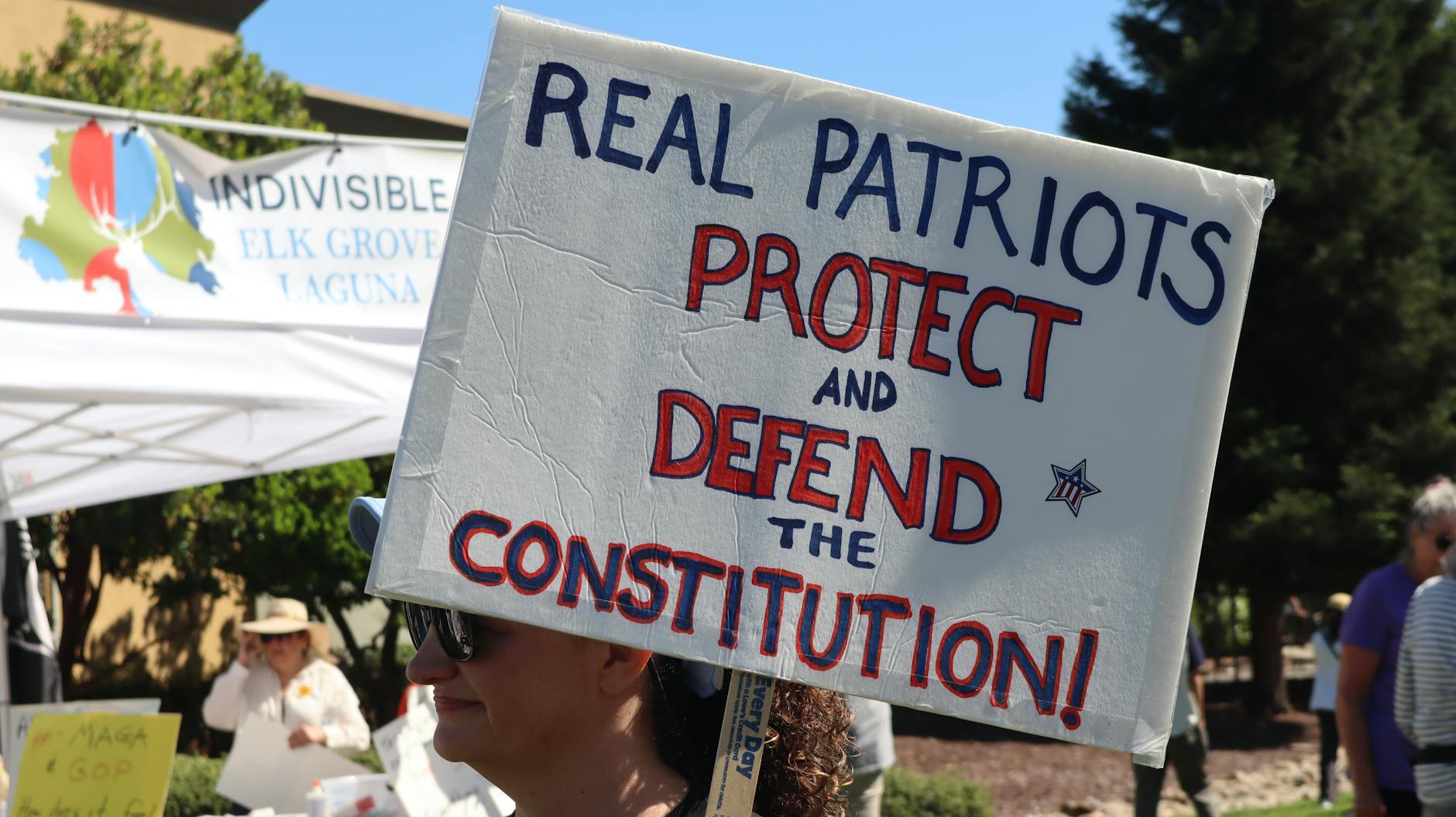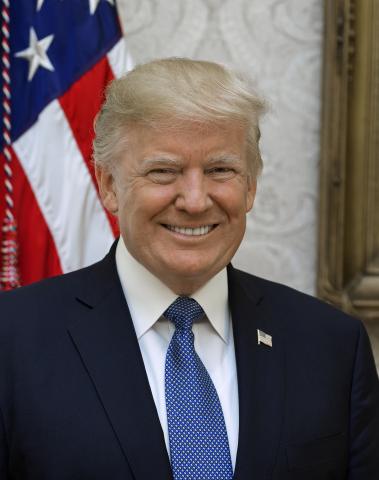
WASHINGTON — Americans are deeply divided over President Donald Trump’s handling of the escalating Iran conflict, with many expressing concern over his tendency to bypass cabinet advisors and Congress in favor of gut-based policy. Interviews conducted outside the White House reveal a growing friction between those who support the president’s unconventional methods and those who fear the lack of institutional oversight.
For some supporters, the president’s spontaneity is a necessary tool of statecraft. They view his direct approach as a way to circumvent slow-moving bureaucracy and keep adversaries off balance.
A break from tradition
Critics, however, argue that the president’s rejection of traditional diplomatic channels creates unnecessary instability. Many citizens voiced anxiety that bypassing intelligence experts and legislative input leaves the country vulnerable to sudden, ill-informed military escalations.
Reporting for Al Jazeera, Heidi Zhou-Castro noted that the discourse reflects a broader unease regarding the concentration of power within the executive branch. The debate highlights a fundamental disagreement over whether the presidency should function as a collaborative office or a vehicle for individual intuition.
As tensions persist in the region, the split in public opinion mirrors the lack of consensus within Washington itself. While some see a decisive leader navigating a complex geopolitical landscape, others see a dangerous departure from the standard processes designed to prevent impulsive international conflicts.