Francis Donovan, commander of the United States Southern Command, warned during a high-profile visit to Panama that China, Russia, and Iran are actively attempting to establish a military and economic foothold in the region.
The general stated these nations seek to increase their malign influence, posing a direct threat to key strategic assets like the Panama Canal and surrounding critical infrastructure essential for global trade.
This alert was made this week aboard the nuclear-powered aircraft carrier USS Nimitz while it is anchored in Panamanian waters for the multinational exercise Mares del Sur 2026.
Key Details
Donovan addressed regional leaders and allies at a formal reception on the ship, emphasizing that the security of the hemisphere is under sustained attack across all domains including digital and physical spaces.
He specifically identified common adversaries seeking to enrich themselves at the expense of hemispheric stability and democratic governance structures currently in place.
The warning signals a heightened focus on external interference in Latin American infrastructure projects and critical port operations managed by foreign state-owned entities.
"China, Russia and Iran seek to establish themselves to increase their malign influence and access, threatening key terrain like the Panama Canal," Donovan said.
He added that collective security and sovereignty are currently under attack from these external actors who aim to sow instability in the Western Hemisphere for their own gain.
The intervention was televised and widely covered by Panamanian media outlets on Tuesday afternoon following the reception hosted by the US Navy.
Following the speech, Donovan met with Panamanian President José Raúl Mulino at the Palacio de las Garzas to discuss bilateral security concerns and trade protection measures.
The leaders discussed a coordinated strategy to combat organized crime and cartels operating in the region that threaten public order and economic growth significantly.
They agreed on the necessity of protecting ports and supply chains to ensure peace and prosperity for the entire hemisphere and its global trade partners.
Geopolitical Context
Panama recently joined the Escudo de las Américas alliance, a coalition led by former President Donald Trump to fight transnational criminal networks and drug trafficking routes.
This cooperation contrasts with tensions from the previous year when Trump threatened to reclaim the Canal citing Chinese influence over the waterway management and operations.
Mulino has consistently rejected Washington's attempts to involve Panama in its geopolitical rivalry with Beijing regarding regional infrastructure development projects and investments.
The United States constructed the Canal in the early 20th century and operated it for over eight decades before handing it over to Panama in 1999 under the Torrijos-Carter Treaties.
Recent disputes involved two ports around the Canal operated by a subsidiary of the Chinese conglomerate CK Hutchison that raised security alarms among US officials and analysts.
A court ruling declared the concession null and void on February 23, resolving the specific ownership issue and removing the foreign presence from the immediate zone.
Economic Implications
The strategic positioning of the USS Nimitz underscores the United States commitment to maintaining military dominance in the Western Hemisphere against rival powers seeking expansion.
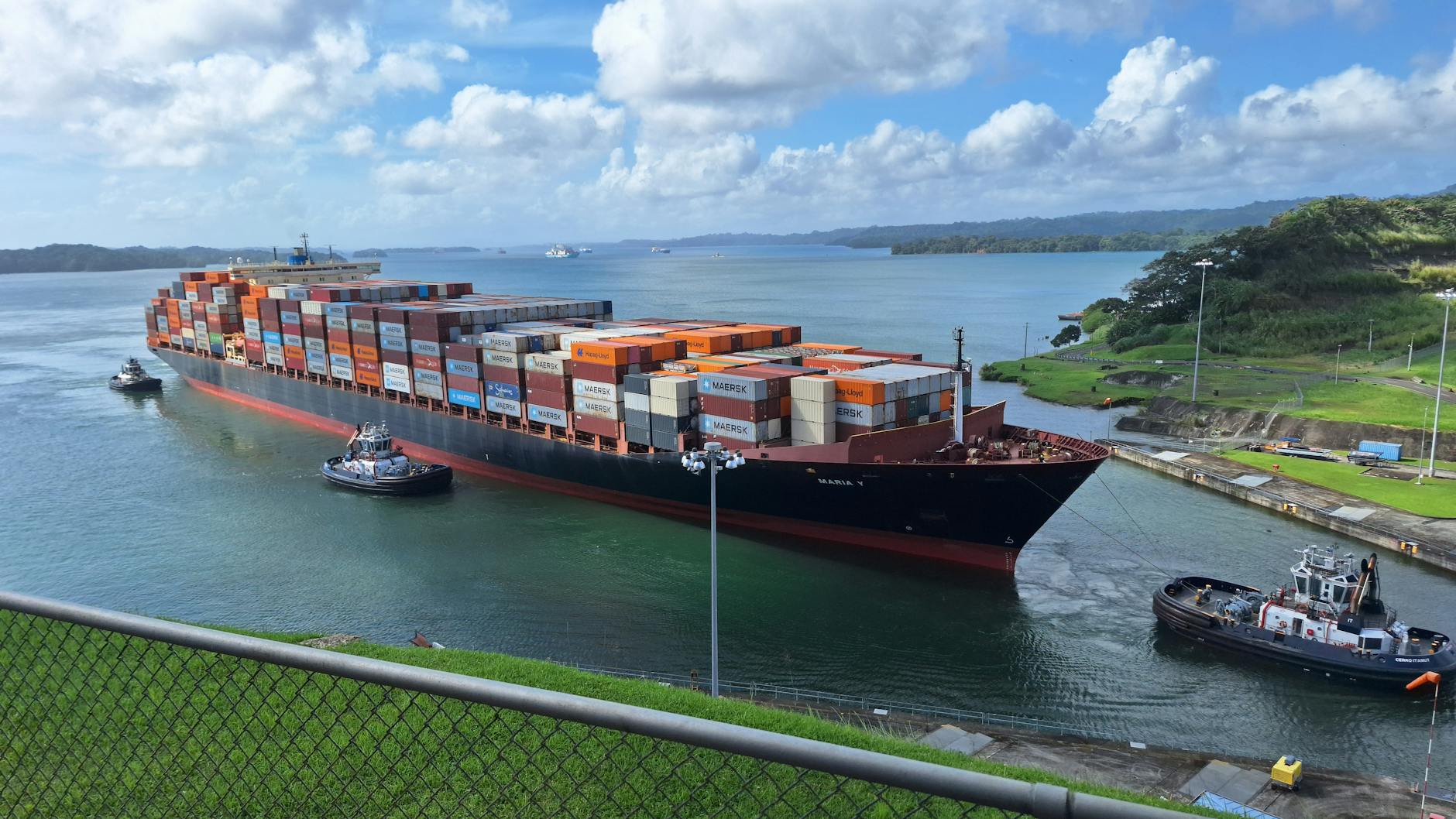
Economic implications are significant as the Canal remains a critical chokepoint for global shipping and international trade routes connecting the Pacific and Atlantic Oceans.
Disruption here could impact international supply chains and commodity prices worldwide, affecting markets beyond the Latin American region significantly and causing ripple effects.
Analysts estimate that a prolonged closure could cost the global economy billions of dollars annually due to shipping delays and insurance hikes.
Washington and Panama must now navigate the balance between security cooperation and respecting Panamanian neutrality regarding foreign military presence and strategic assets.
The outcome of the Mares del Sur exercise will likely dictate future defense posturing in the region for the coming years and decades ahead.
Observers will watch for further integration of US Southern Command assets with Panamanian security forces to counter perceived external threats effectively and ensure stability.
Continued dialogue is essential to prevent misunderstandings that could escalate into broader regional conflicts involving multiple national interests.