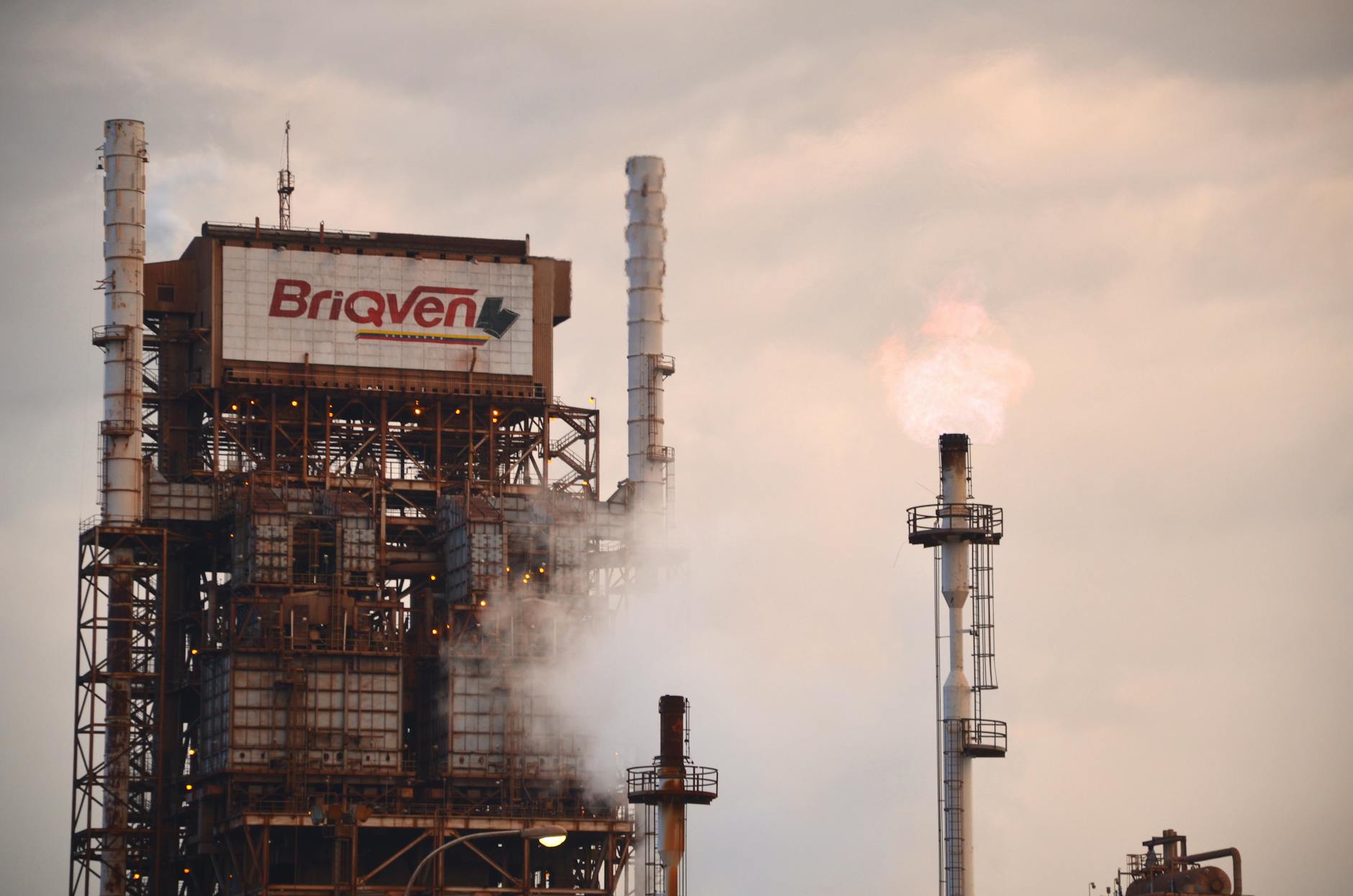
U.S. Energy Secretary Chris Wright announced that at least 150 million barrels of Venezuelan oil have been sold on the international market since the capture of President Nicolás Maduro on January 3.
Speaking at the Semafor World Economy 2026 forum, Wright stated that sales have accelerated since Washington assumed operational control of Venezuela's energy sector following the military intervention.
He noted that the total figure could be even higher than the 150 million barrels currently recorded.
Production surge and U.S. investment
Wright reported that crude production in Venezuela now exceeds 1.2 million barrels per day, up from levels below one million prior to the operation.
He attributed this growth to the release of large volumes of oil that were previously stuck in storage due to sanctions and logistical blockades.
According to the Secretary, the revitalization of energy infrastructure has been supported by international cooperation.
The Trump administration is actively working to bring American companies back to the South American nation. Wright confirmed that at least five U.S. oil companies are currently operating in Venezuela, managing both onshore and offshore projects.
Since the January 3 operation, Washington has eased sanctions to allow direct participation by U.S. firms. This shift follows energy agreements made with the administration of Delcy Rodríguez.
These moves enabled the state-run PDVSA to sign new supply contracts primarily targeting the U.S. market.
Despite the increase in supply, Wright warned that energy prices could remain high or rise in the short term due to global instability. He specifically pointed to ongoing tensions in the Strait of Hormuz.
He stated that any drop in prices depends on the normalization of maritime transit in that strategic corridor. "The longer the conflict lasts, the longer the recovery will take," Wright said.