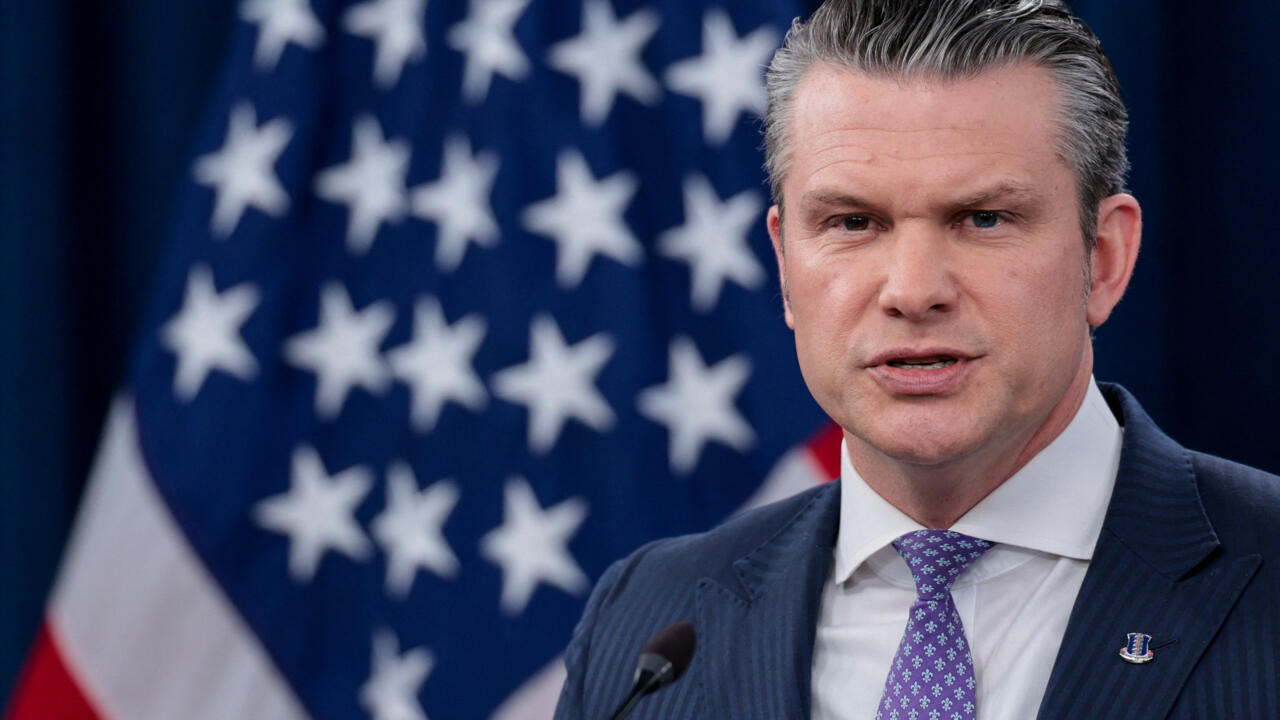
Pentagon Chief Pete Hegseth announced on March 31 that negotiations aimed at ending the ongoing war with Iran are reportedly making significant progress. This statement comes despite visible signs of continued conflict in the region and a simultaneous increase in United States military troop deployments. France24 analysts suggest the administration is attempting to present a positive narrative for a mission that lacked sufficient prior preparation.
The press conference held by the Pentagon chief highlighted a disconnect between official diplomatic messaging and the reality on the ground. Military assets are actively moving into the Middle East, contradicting the notion that de-escalation is the immediate priority for Washington. Analysts note that such announcements often serve to manage market expectations rather than reflect genuine breakthroughs in peace talks.
Strategic Context
The United States has historically struggled to maintain a consistent strategy regarding Tehran over the past decade. Previous attempts at nuclear agreements have collapsed, leading to increased sanctions and heightened regional tensions. Hegseth's comments imply a shift in approach, yet the physical buildup of forces suggests a readiness for prolonged engagement.
Regional Implications
Instability in the Middle East poses significant risks to global energy markets and international trade routes. Oil prices often react negatively to uncertainty regarding the security of shipping lanes in the Persian Gulf. Investors are closely monitoring the situation, as prolonged conflict could disrupt supply chains and increase inflationary pressures worldwide.
"Trying to put the best face on a mission they did not anticipate," France24 reported regarding the administration's strategy.
This assessment underscores the skepticism surrounding the timing of the diplomatic claims. Observers question whether the timing is coincidental or intended to distract from logistical challenges faced by the military command. The credibility of future peace initiatives may suffer if the gap between rhetoric and action remains this wide.
The Pentagon chief's remarks also signal a potential pivot in how the administration handles foreign policy crises. Traditional diplomatic channels are being supplemented by visible military posturing to signal resolve to adversaries. This dual approach aims to leverage strength while keeping negotiation options open for the future.
Economic partners in Europe and Asia are watching these developments closely for signs of stability. A resolution to the conflict would benefit global supply chains, while escalation could trigger broader geopolitical realignments. Markets remain volatile as traders assess the probability of a negotiated settlement versus continued hostilities.
What Comes Next
Future developments will depend on whether the reported talks yield concrete agreements or remain verbal assurances. The administration must balance domestic political pressures with the complex realities of Middle Eastern diplomacy. Continued troop presence will likely remain a key factor in determining the success of any diplomatic breakthrough.
International observers will scrutinize the next few weeks for evidence of genuine de-escalation efforts. Without tangible progress, the current strategy risks appearing as a temporary pause rather than a strategic victory. The global community awaits clarity on whether this represents a turning point or a managed stalemate.