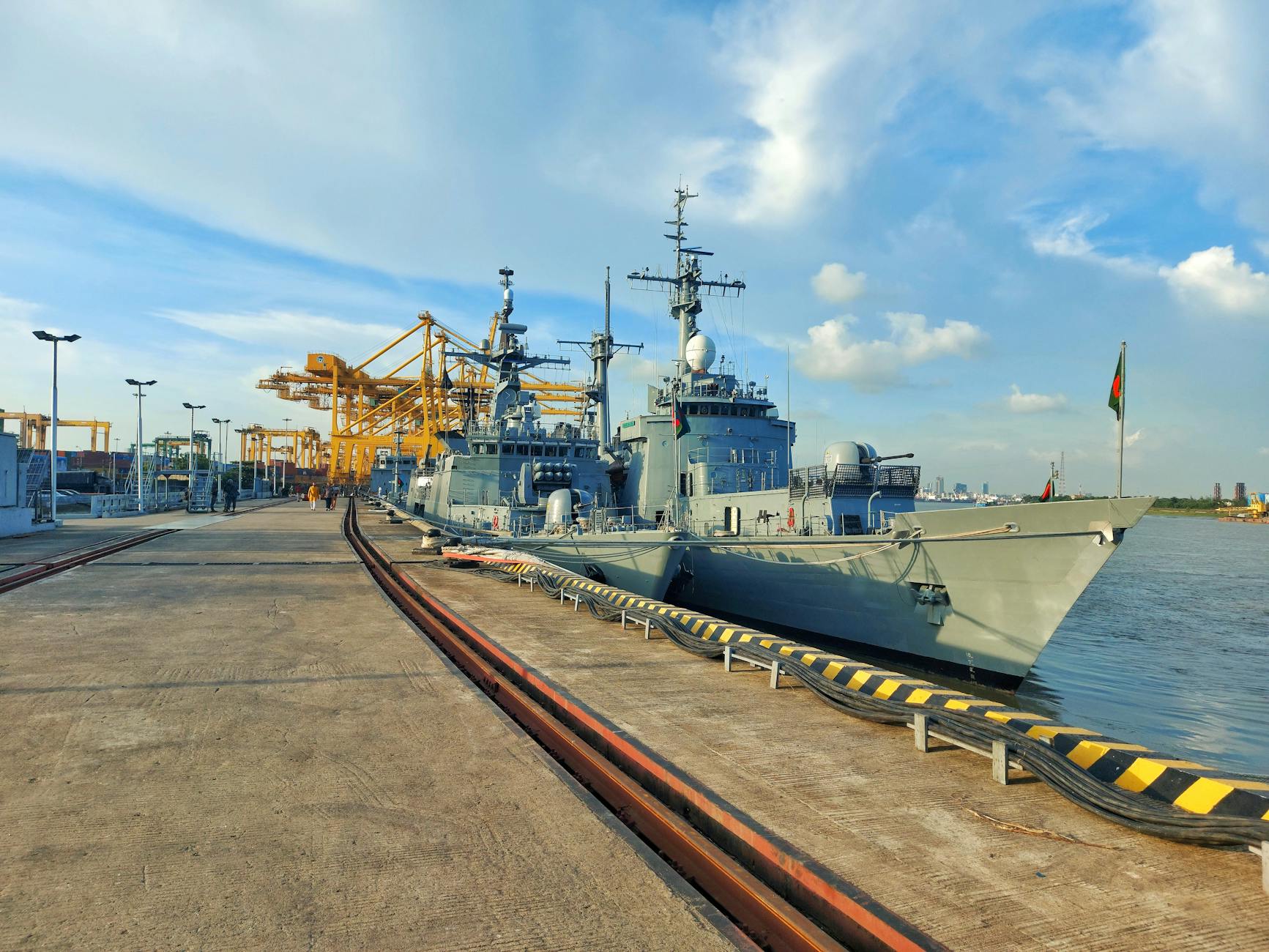
The US military has fully implemented a blockade of Iranian ports, effectively stopping all maritime economic trade entering and leaving the country, according to a report by Al Jazeera.
US Central Command (CENTCOM), the agency leading military operations in the Middle East, stated via social media that the blockade applies to vessels of all nations approaching Iranian coastal areas or ports.
Admiral Brad Cooper, commander of CENTCOM, said the operation has successfully halted trade within 36 hours of implementation.
“An estimated 90% of Iran’s economy is fuelled by international trade by sea. In less than 36 hours since the blockade was implemented, US forces have completely halted economic trade going into and out of Iran by sea,” Cooper said in a statement released Tuesday.
Naval enforcement and intercepted tankers
CENTCOM confirmed that over 10,000 personnel, including US Air Force, Marines, and sailors, are participating in the operation. During the first 24 hours, six merchant ships complied with US orders to turn around and re-enter Iranian ports.
Reuters reported that a US Navy destroyer intercepted two oil tankers attempting to depart Iran on Tuesday. The warship contacted the vessels via radio and instructed them to return to port.
These tankers had departed from Iran’s Chabahar port in the Gulf of Oman before being intercepted, according to an official who spoke to Reuters on the condition of anonymity.
US President Donald Trump initiated the blockade after negotiations between Washington and Tehran collapsed in Pakistan. The move follows a weekend ceasefire that had previously halted active attacks.
Abas Aslani, a senior research fellow at the Center for Middle Eastern Strategic Studies in Tehran, noted that the blockade may signal a move toward renewed peace talks to stabilize the global oil market. He noted that oil prices had previously surged above $100 per barrel.
Aslani also stated that Tehran views the blockade as a violation of the existing ceasefire, which could intensify regional tensions.
“The ceasefire, which is currently in place, is a very fragile one,” Aslani said. “We are waiting to see what will be the reaction from Iran.”