The geopolitical temperature in the Middle East has risen following explicit warnings from the White House to Tehran, linking diplomatic overtures on the nuclear file to a substantial buildup of US military assets in the Gulf region. President Trump characterized the deployment as a 'massive Armada,' signaling a heightened state of readiness intended to compel Iranian negotiators to the table for a 'fair and equitable deal' that explicitly excludes nuclear weapons capability.
This military posturing comes amid heightened internal instability within Iran, sparked by currency depreciation and subsequent widespread protests. While the administration has previously commented on the domestic unrest, the current focus appears to pivot back to the core security issue: Iran's nuclear enrichment activities, which have expanded significantly since the 2018 US withdrawal from the Joint Comprehensive Plan of Action (JCPOA).
Iran’s diplomatic and military leadership has reacted swiftly to the perceived threat. Foreign Minister Abbas Araghchi affirmed that Iranian armed forces are prepared to respond 'immediately and powerfully' to any incursion, maintaining that the nation's nuclear program remains strictly for peaceful purposes. This mirrors past Iranian assertions that any pursuit of nuclear weapons is outside its security calculus.
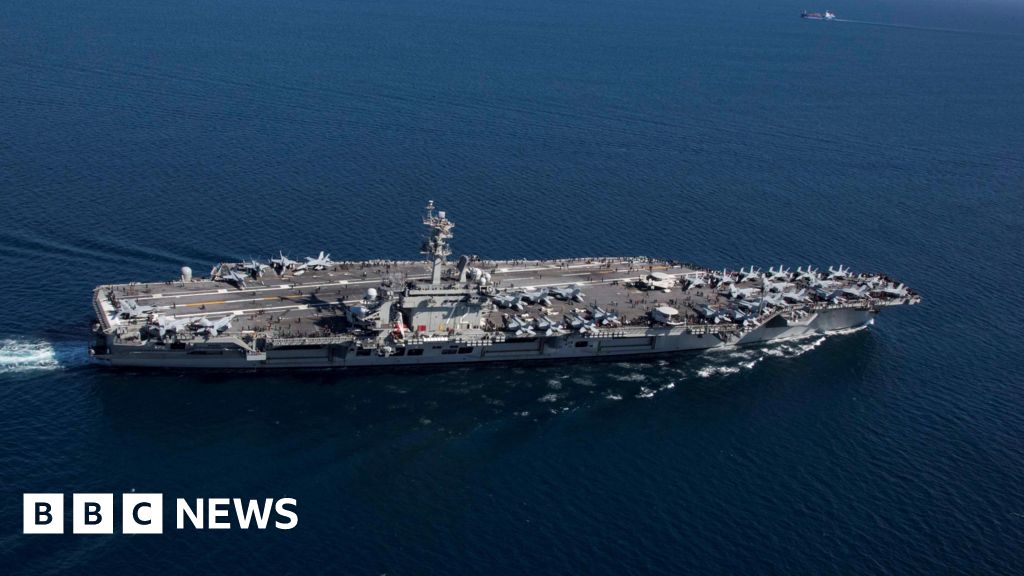
Analysis of open-source intelligence confirms a significant surge in US operational capacity. Tracking data indicates the arrival of numerous fighter jets, refuelling aircraft, and surveillance drones at regional bases, complemented by the presence of the USS Abraham Lincoln carrier strike group in the Middle East. This expansion of assets is viewed by US officials as a necessary defensive measure amid perceptions that the Iranian regime is currently weakened.
Iranian parliamentary speaker Mohammad Bagher Ghalibaf acknowledged the possibility of negotiation but cautioned that US demands appeared coercive rather than conducive to genuine dialogue. He implied that while the US could potentially initiate conflict, the ultimate outcome of such an engagement remains beyond Washington's control, reflecting a strategic calculation based on asymmetric regional leverage.
The cessation of the JCPOA in 2018, which restricted uranium enrichment levels, precipitated Iran’s incremental breaches of the agreement's limits. The current US objective, as articulated by officials, demands a comprehensive reset: halting enrichment, curtailing missile capabilities, and ceasing support for regional proxy networks.
This tense standoff represents a critical inflection point for energy markets and international security architecture. The escalation risks a miscalculation that could rapidly destabilize vital global shipping lanes and complicate broader efforts at de-escalation in an already volatile region. The economic impact of sanctions, combined with military pressure, places significant strain on Tehran's fiscal stability.
(Source: Adapted from various reports, including information originally published by the BBC.)