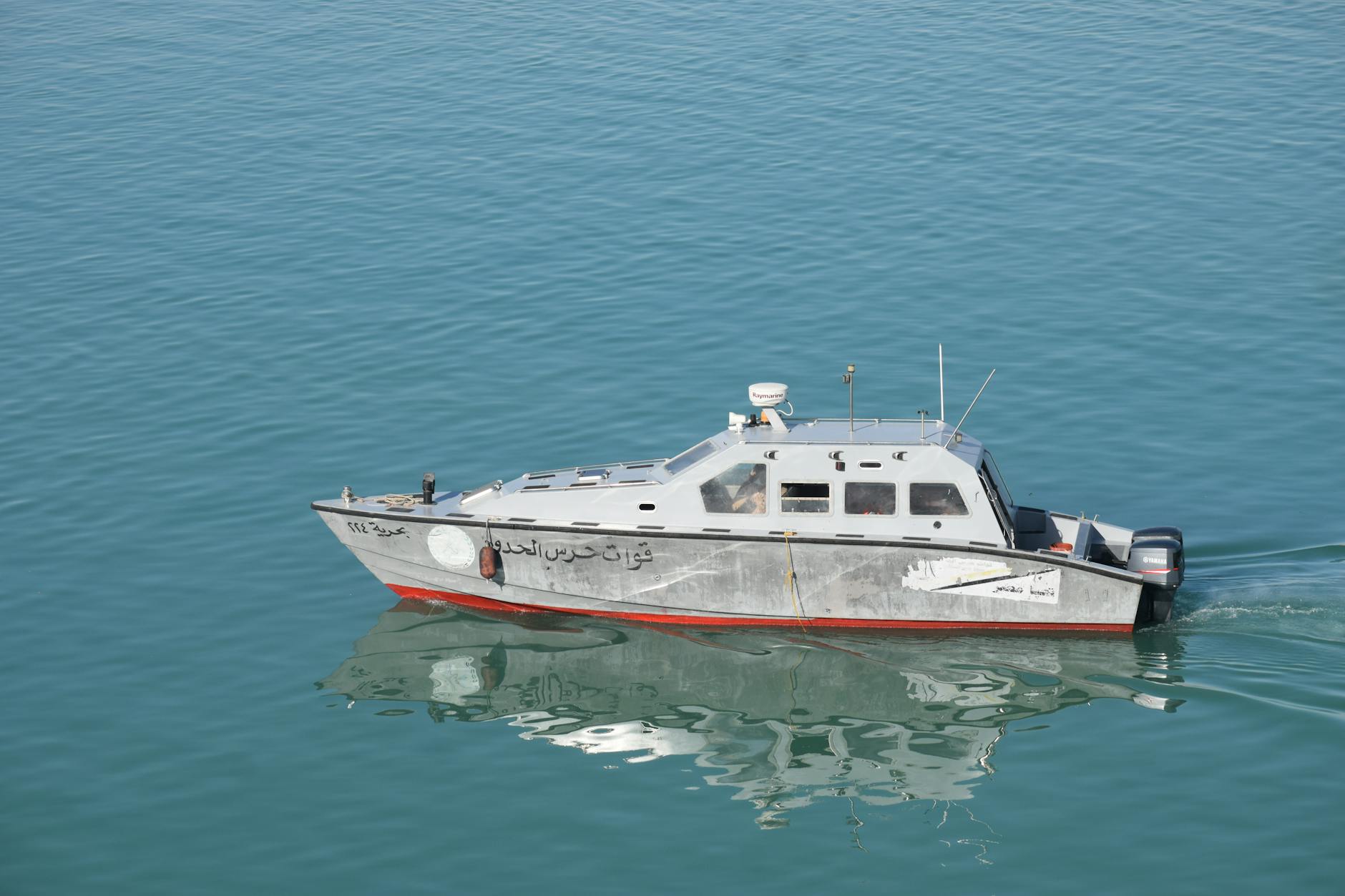
A fragile ceasefire between the United States and Iran faced a critical breakdown on Monday as U.S. naval forces engaged in a direct confrontation with Iranian units in the Strait of Hormuz. The clash occurred during the launch of "Project Freedom," a U.S. initiative aimed at clearing the waterway to allow hundreds of stranded commercial ships to exit the region.
Admiral Brad Cooper, commander of U.S. Central Command, confirmed that his forces destroyed six small Iranian boats that attempted to interfere with maritime traffic. According to Cooper, the engagement involved U.S. Apache and SH-60 Seahawk helicopters, which responded after Iranian forces launched multiple cruise missiles and drones at U.S. military assets and protected commercial vessels. While some reports, including those cited by UNN, suggested seven boats were destroyed, CENTCOM officially maintained the count at six.
President Donald Trump addressed the operation on Monday, stating that the U.S. had shot down the small craft following Iranian strikes on several vessels. Trump noted that a South Korean cargo ship sustained damage during the exchange, though he claimed no other damage occurred elsewhere in the Strait. CNN reported that a spokesperson for the South Korean Ministry of Foreign Affairs confirmed an explosion and fire occurred on a vessel linked to their country within the Strait on Monday.
CENTCOM stated that "Project Freedom" involves a significant military footprint, including guided-missile destroyers, more than 100 land- and sea-based aircraft, multi-role unmanned platforms, and 15,000 troops. Admiral Cooper emphasized that the military is not conducting traditional escorts, which he described as a "one-on-one duel," but rather managing a multi-layered defensive system to create a "one-way" passage for commercial transit.
Iranian officials vehemently denied the U.S. account of the day's events. Tehran’s state media claimed their navy forced a U.S. warship to turn back and characterized their own fire as "warning shots." Iranian commander Amir Hatami dismissed the U.S. claims regarding the successful transit of merchant ships as "baseless and completely false," asserting that no commercial vessels had crossed the Strait in the hours following the clash.
Global markets reacted sharply to the escalation, with Brent crude prices rising 5.19% to $113.78 per barrel by Monday afternoon. While this remains below the $126 peak reached earlier in 2026, the volatility highlights the economic sensitivity of the waterway. The situation remains particularly precarious as it marks the first major military confrontation since the ceasefire took effect on April 8, following nearly 40 days of reciprocal strikes.
Analysts suggest the engagement may have unintended political consequences. Emma Salisbury, a Senior Research Fellow at the Foreign Policy Institute, told France 24 that the U.S. military presence and the resulting skirmish "confirmed everything that Iran has been telling its population," potentially reinforcing domestic narratives in Iran regarding U.S. intentions in the region. The Pentagon has announced that Chairman of the Joint Chiefs of Staff General Dan Cain and Secretary of Defense Pete Hegseth will hold a press conference on Tuesday to address the status of the operation.