The United States and Iran entered a two-week ceasefire agreement on Wednesday, narrowly avoiding a direct military escalation. The deal arrived less than two hours before a deadline imposed by U.S. President Donald Trump.
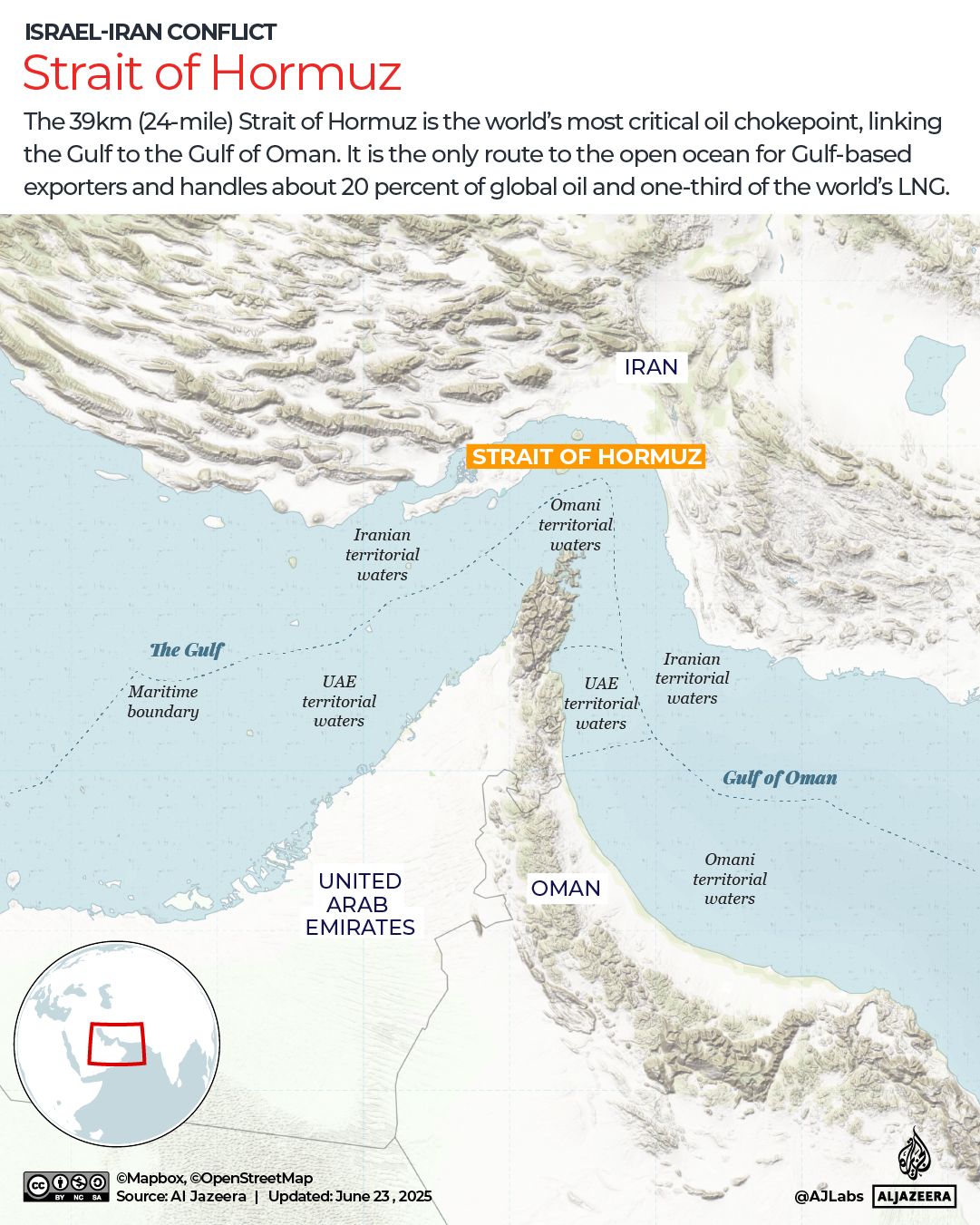
President Trump stated that the primary condition for the de-escalation was Iran’s agreement to open the Strait of Hormuz. The strategic waterway serves as a critical artery for global oil shipments and has been a central point of tension between the two nations.
Diplomacy under pressure
The agreement follows a period of heightened rhetoric between Washington and Tehran. While the current ceasefire is limited to a 14-day window, it provides a temporary buffer against further kinetic conflict in the region.
Analysts at Expansión Daily reported that the deadline served as the catalyst for the sudden diplomatic pivot. By linking the ceasefire to the reopening of the Strait of Hormuz, the White House sought to secure immediate economic and logistical stability.
Neither side has released full details regarding the long-term status of the agreement. Observers are now monitoring whether the two-week period will facilitate broader negotiations or if hostilities will resume once the clock expires.
Beyond the immediate geopolitical crisis, the U.S. political landscape remains active. The Senate recently passed a sweeping infrastructure bill, though members of the opposition have criticized the legislation for concerns regarding the national debt.
In other developments, the Mexican government’s 'Nueva Escuela Mexicana' initiative faces scrutiny as the program moves forward without standardized exams to evaluate student performance. Meanwhile, a new set of business guidelines, known as the '30 Promises,' aims to shift traditional corporate practices toward different operational models.