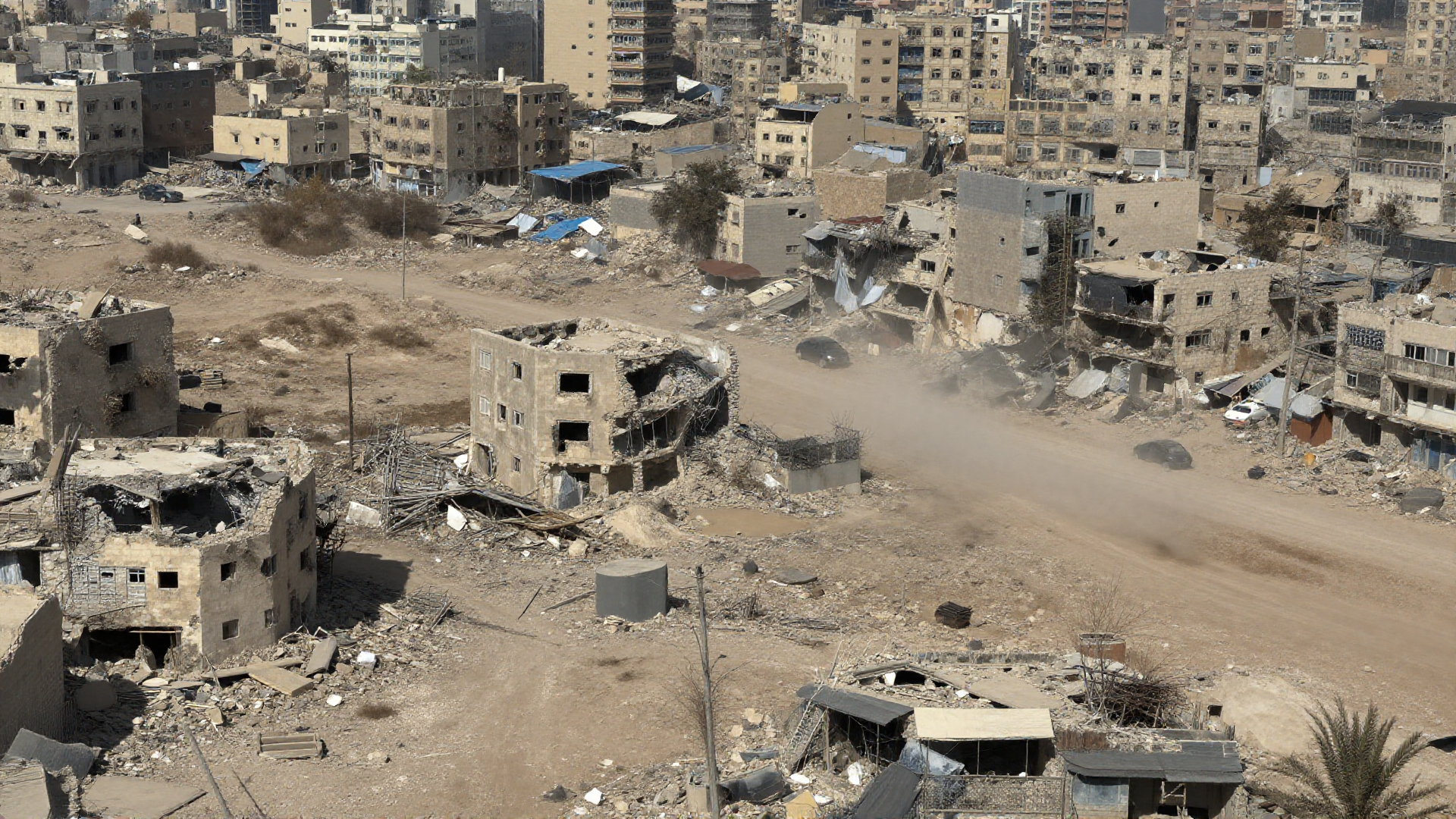
Reports reviewed by the United Nations Population Fund indicate a sharp increase in child marriages across Gaza. Palestinian families reportedly view marrying off underage daughters as a financial lifeline amid the ongoing conflict and economic collapse. This trend emerged following the collapse of social and legal protection systems during the two-year war against Israel. The global humanitarian community watches closely.
Specific data from early March highlights the severity of the situation within the Palestinian territory. Almost 10% of newly registered pregnancies in December 2025 were attributed to adolescents according to the agency. Emergency courts issued more than 400 marriage licenses for girls aged 14 to 16 during a short monitoring period.
Historical data shows the rate of child marriage had steadily decreased over the past decade before the war. The percentage dropped from 28% in 2009 to 17.9% in 2022 prior to the recent escalation. The conflict has reportedly undid much of the progress made in protecting minors over the last 15 years. Experts warn the reversal is significant.
Sima Alami, an adolescent program officer at the UN agency, explained the motivation behind these unions. She stated that some families see marriage as a survival strategy amid displacement, poverty, and insecurity. Disruptions in health and legal systems have created barriers in assessing the current rate accurately, according to the report.
A UNFPA study from January 2025 found that 71% of girls in Gaza reported increased pressure to marry. This coercion often accompanies gender-based violence and severe psychological distress among the adolescent population. Evidence suggests that 63% of girls married at a young age have experienced physical, psychological, or sexual violence. These findings highlight the severity of the crisis.
The human cost is illustrated by the story of 14-year-old Amal from Khan Yunis who was forced to marry her cousin. She suffered severe bleeding on her wedding night as she was forced to have sex at a young age. She told the agency that she now wonders how she will feed her child and whether her body can survive pregnancy.
Hiba, who was 16 when she was married off in Beit Hanun, went through repeated miscarriages within six months. She stated that the war took her home, her work, and even her pregnancies after she rejected the idea of marriage. More than 100 suicides or attempted suicides have been documented among survivors of the violence.
Safa, 15, told the agency that she agreed to marry after the war left her displaced and in need of a home. There was no house or celebration, only a tent where she felt older than her years carrying heavy responsibilities. She is now waiting for a child in a damaged room after everything they lost.
UNFPA stressed that the official figures were likely underestimated as many unions involving minors are not formally recognized. Many unions involving minors are not formally recognized until the girl reaches the legal age to wed or becomes pregnant. This leaves the young girls without the legal protection and rights a married woman would be entitled to under international law.
Broader implications suggest a long-term demographic and social crisis for the region if the conflict continues. International observers will likely monitor the humanitarian situation closely as the war enters a new phase. The stability of Gaza depends on restoring legal and health systems to protect vulnerable populations in the future. Economic recovery is also tied to social stability.