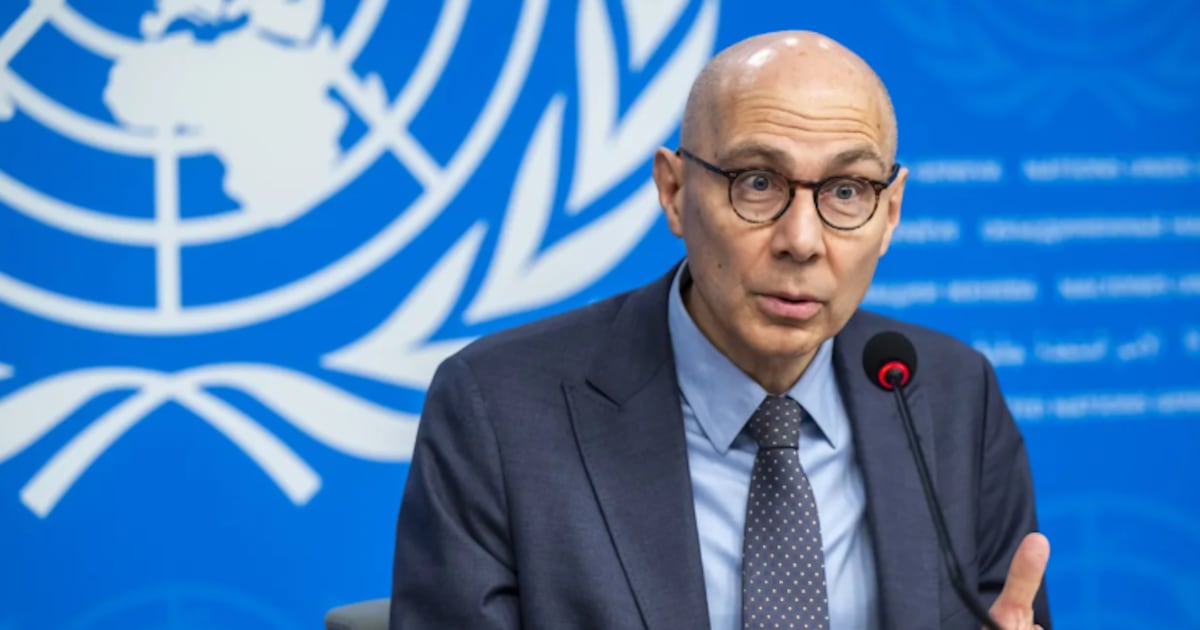
Volker Türk, the United Nations High Commissioner for Human Rights, declared that Israel’s new legislation imposing the death penalty on Palestinians violates international law. The statement came on Monday following the Knesset’s approval of the measure targeting individuals accused of killing Israelis in the West Bank. Türk described the move as deeply disappointing and incompatible with Israel’s existing legal obligations regarding human rights standards.
Key Legislative Details
The legislation effectively establishes the death penalty as a mandatory sentence for Palestinians convicted of terrorism-related murder in occupied territories. It allows courts to impose capital punishment even without a prosecutor’s request and does not require a unanimous judicial decision. The law explicitly excludes Israeli citizens from this provision, creating a distinct legal framework based on nationality and origin.
“Resulta profundamente decepcionante que esta iniciativa de ley haya sido aprobada por el Knesset (Parlamento)”, Türk stated during the press briefing. He emphasized that the initiative is evidently incompatible with obligations regarding the right to life under international treaties. The High Commissioner argued that the measure raises serious concerns regarding due process violations and systemic discrimination.
Legal and Human Rights Context
This development marks a significant escalation in the legal measures adopted by the Israeli coalition government since the conflict intensified in 2023. Previous discussions on capital punishment for terrorism had existed, but this is the first explicit statutory codification targeting Palestinians in the West Bank. Legal experts noted that the removal of safeguards could lead to arbitrary executions without proper appellate review mechanisms.
International human rights organizations have long opposed the death penalty for minors and in cases lacking due process guarantees in conflict zones. The UN body argued that the new law raises serious concerns regarding due process violations and discrimination against a specific ethnic group. Türk called for the immediate revocation of the measure to align with global standards and prevent further humanitarian deterioration.
Geopolitical Implications
The announcement adds friction to the ongoing diplomatic relations between Western nations and the Israeli government over human rights compliance. Critics argue the move undermines efforts to establish a two-state solution by entrenching unequal legal systems within the disputed territories. Regional stability remains a primary concern for analysts monitoring the conflict zone and potential spillover effects into neighboring states.
Legal challenges may arise from Palestinian advocacy groups or international bodies seeking to enforce accountability through international courts. The European Union and other partners have historically pressured Israel to adhere to international humanitarian law in all military and judicial operations. Monitoring groups will track how Israeli courts implement the new sentencing guidelines over the coming fiscal year.
The shift in legal policy could influence future negotiations regarding security cooperation and aid distribution in the region. Donor nations may review their financial commitments in light of the new human rights violations documented by the UN office. Such measures often precede broader sanctions or diplomatic downgrades by key allies.
This legislation represents a pivotal moment in the legal history of the occupied territories and the broader Middle East conflict. It signals a shift toward more punitive measures against Palestinian civilians accused of attacks against Israeli citizens. The international community watches closely to see if this policy alters the dynamics of the broader conflict and diplomatic engagements.