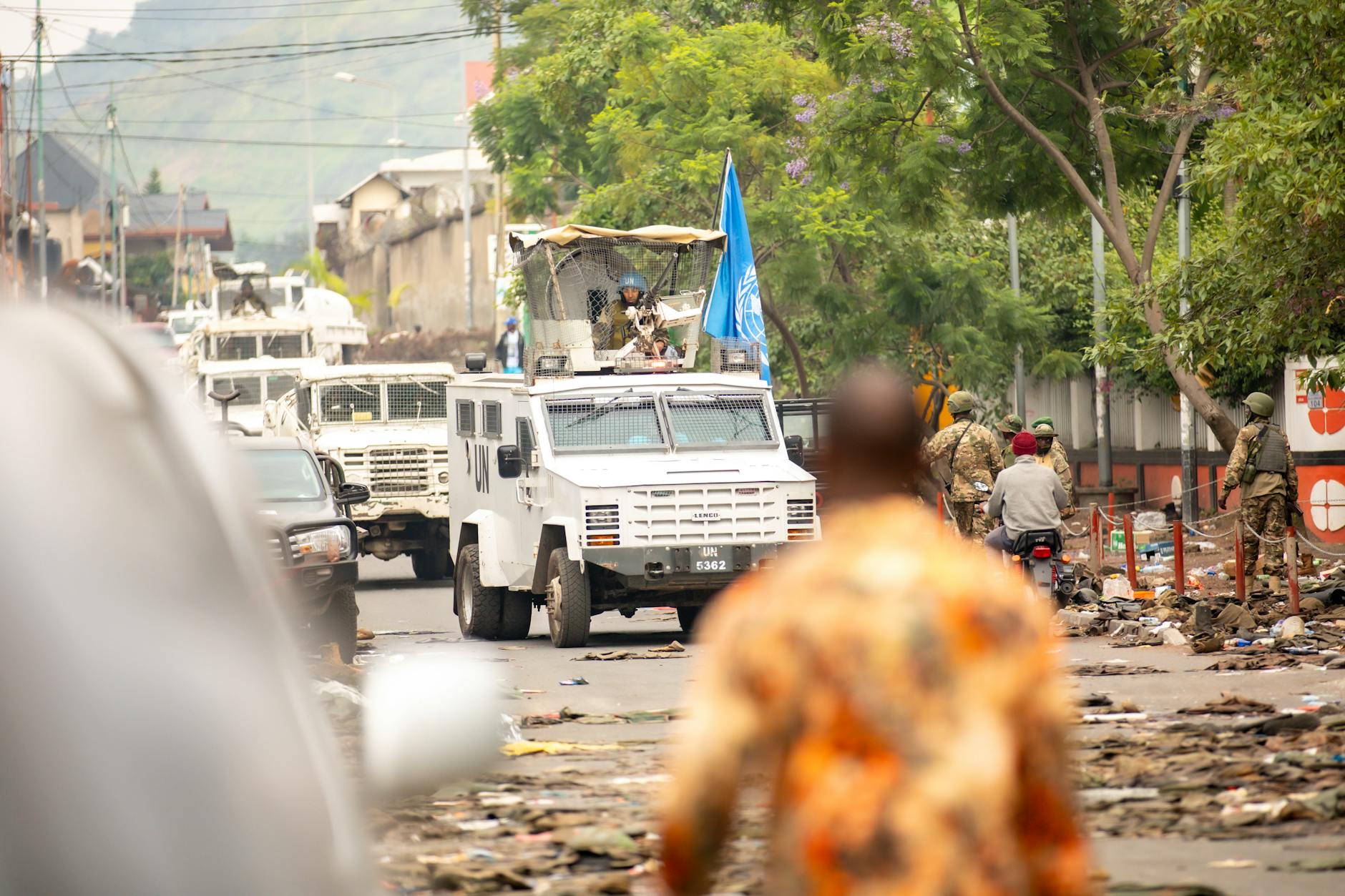
Two Indonesian peacekeepers were killed on Monday by a roadside explosion in southern Lebanon, according to an initial investigation led by UN peacekeeping chief Jean-Pierre Lacroix. The incident occurred near the village of Bani Hayyan and destroyed the vehicle transporting the soldiers, Unifil confirmed in a separate statement. A third peacekeeper suffered severe injuries while a fourth was also hurt during the attack, marking a significant escalation in risks for international forces in the region.
Key Details
This incident represents the second fatal event involving Indonesian personnel within a 24-hour period, raising serious concerns about the safety of the mission. On Sunday, another Indonesian peacekeeper was killed when a projectile of unknown origin exploded in Adchit Al Qusayr. Unifil has launched investigations to determine the exact cause of both explosions, though initial findings point to an improvised explosive device striking the convoy on Monday.
"The findings of an initial investigation into the incident on Monday point to a roadside explosion striking the convoy," Jean-Pierre Lacroix told the UN Security Council earlier.
The victims were identified as Captain Zulmi Aditya Iskandar and First Sergeant Muhammad Nur Ichwan by Antara, a state-owned Indonesian news agency. Stéphane Dujarric, the spokesperson for the UN secretary-general, later stated at a briefing that the deaths were most likely caused by the device. The UN emphasized that these soldiers were sent on behalf of the international community and must be protected from targeting by any party.
Israel has responded to the allegations regarding the explosion by denying direct involvement in the attack. The Israel Defense Forces stated on Telegram that their review concluded the Bani Hayyan incident was not caused by their activity. They added that a comprehensive operational examination indicated no explosive device was placed in the area by IDF troops and that no soldiers were present.
What This Means
The deaths occur shortly after the Israeli military announced it would step up ground and air attacks against the Lebanese armed group Hezbollah. Hezbollah, an Iranian-backed militia and political party, has fired rockets into Israel in retaliation for ongoing US-Israeli strikes on Iran. This cycle of violence complicates the security environment for Unifil, which patrols the Blue Line as a buffer between the two nations.
Despite a ceasefire brokered in November 2024 between Israel and Hezbollah, Israel has conducted near-daily strikes on Hezbollah targets since the agreement. Israel claims the armed group has not abided by the terms of the ceasefire regarding disarmament and removal from the south. Consequently, the safety of third-party peacekeepers remains precarious as the conflict dynamics continue to shift rapidly on the ground.
Created by the UN Security Council in 1978, Unifil has served as a critical buffer zone since its establishment. Around 339 peacekeepers have been killed since the mission began, highlighting the long-standing dangers of the deployment. The recent fatalities underscore the fragility of the security situation in southern Lebanon despite diplomatic efforts to stabilize the region.
Future developments will likely focus on the outcome of the ongoing investigations and potential security adjustments for the mission. International observers will watch closely to see if the UN can secure better protection protocols for its personnel in the face of escalating hostilities. The situation remains volatile, with the potential for further incidents affecting the broader geopolitical stability of the Middle East.