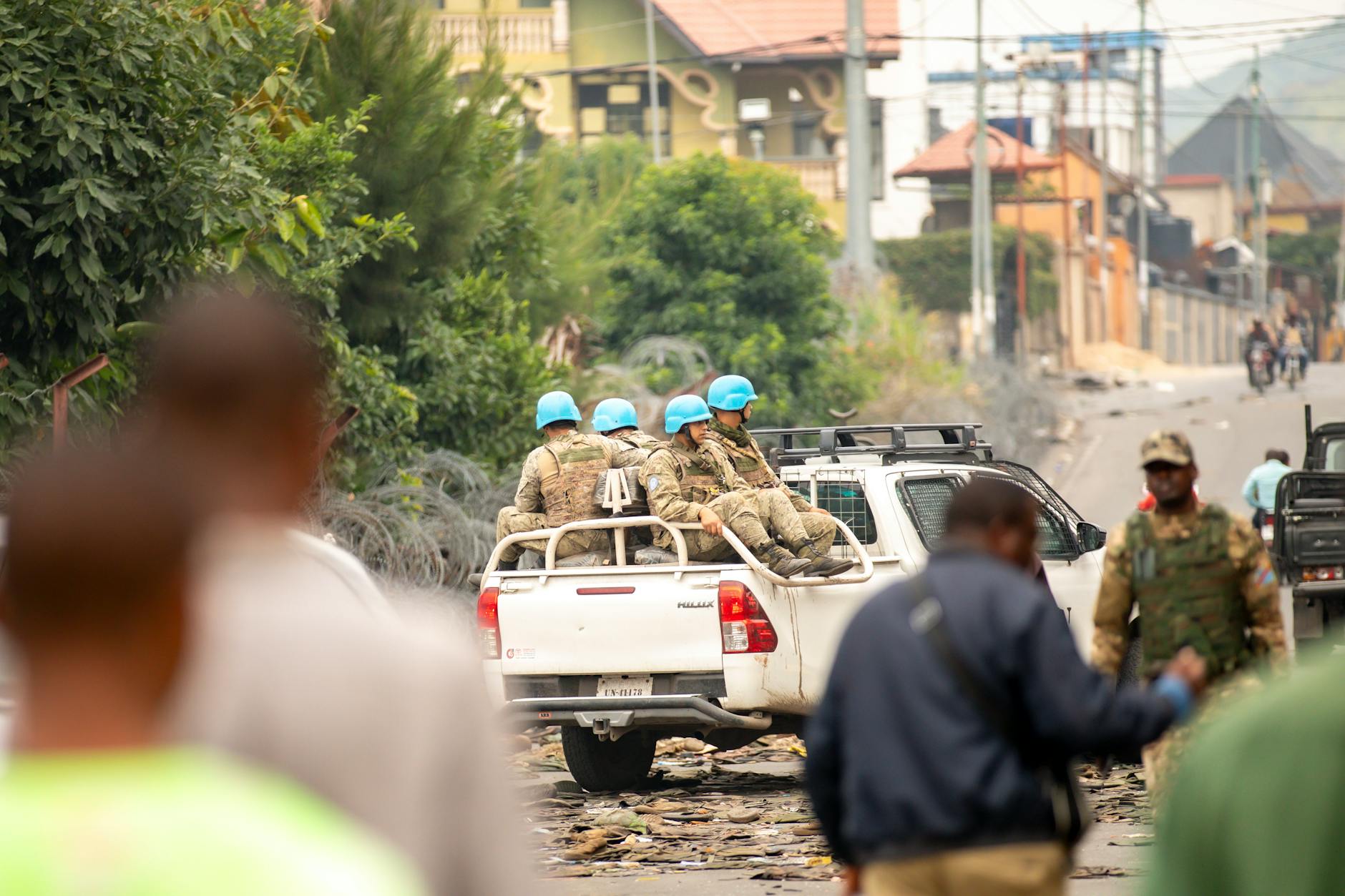
Two Indonesian UN peacekeepers died in southern Lebanon on Monday. An explosion of unknown origin destroyed their vehicle, the United Nations Interim Force in Lebanon stated. A third peacekeeper sustained severe injuries while a fourth was hurt in the incident. The UN agency tasked with policing the region confirmed the fatalities shortly after the event.
Key Details
Unifil confirmed the fatalities occurred in Adchit Al Qusayr. This marks the second fatal incident in the last 24 hours involving Indonesian personnel. Investigators launched probes to determine the cause of both explosions. The timing coincides with heightened military activity in the region.
The deaths follow an Israeli military announcement to intensify ground and air attacks against Hezbollah. The Iranian-backed militia fired rockets into Israel in retaliation for ongoing US-Israeli strikes on Iran. Unifil noted the violence is escalating rapidly across the border. Regional security dynamics have shifted significantly since the announcement.
Historical Context
Unifil was created by the UN Security Council in 1978 as a buffer between Israel and Lebanon. The peacekeeping force patrols the Blue Line in collaboration with the Lebanese army. Around 339 peacekeepers have been killed since the mission was established. This incident adds to a long history of risks faced by international staff.
Regional Stability
Despite a November 2024 ceasefire between Israel and Hezbollah, Israel has conducted near-daily strikes. The armed group was meant to disarm and leave its positions in the south. Israel accuses the Lebanese army of not doing enough to remove militants from the region. Diplomatic efforts to maintain the truce continue to face significant challenges.
Since the ceasefire began, 1,238 people have been killed in Lebanon. This figure includes 124 children according to the Lebanese health ministry. Ghanaian soldiers serving with Unifil were injured earlier this month when their base was hit. The rising toll underscores the fragility of the security situation on the ground.
Unifil stated that under international law, all actors have an obligation to ensure the safety of UN personnel. Deliberate attacks on peacekeepers constitute grave violations of international humanitarian law. The humanitarian cost of this conflict remains far too high for all parties involved. The agency emphasized the need for immediate cessation of hostilities.
"We extend our sincerest condolences to the family, friends, and colleagues of those brave peacekeepers who gave their lives in service of peace. The human cost of this conflict is far too high. The violence must end," Unifil said.
Ghanaian Foreign Minister Samuel Okudzeto Ablakwa did not identify the perpetrators at a Commonwealth meeting. He stated the bombing was an attack on every principle that the UN Charter exists to defend. Security risks for international forces remain critical during this volatile period. International observers are monitoring the situation closely for further developments.
The broader conflict continues to destabilize the Middle East region significantly. Diplomats will watch closely for further escalations involving regional powers. UN investigations into the explosions will determine the next steps for the mission. The outcome of these inquiries will impact future deployment strategies.
Economic and political ramifications extend beyond the immediate military engagements in the area. Investors and markets are sensitive to any signs of wider regional war involving Iran. Stability in Lebanon remains essential for global economic interests in the energy sector. Continued violence poses a threat to future infrastructure projects.