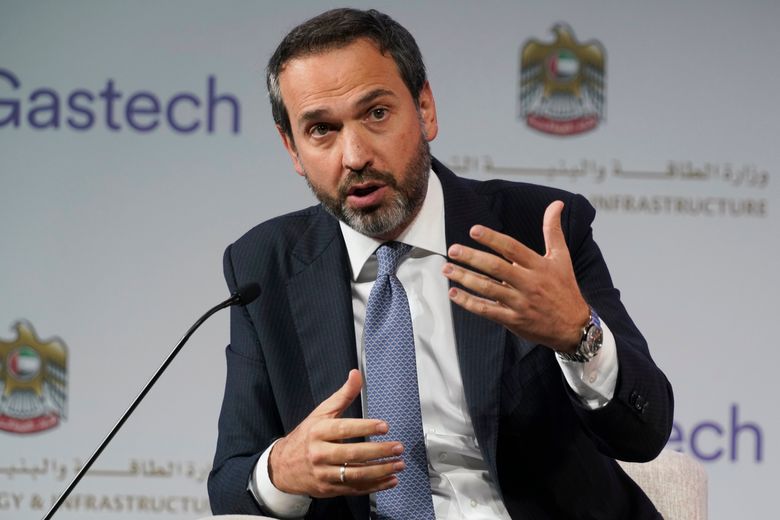
Turkish Energy and Natural Resources Minister Alparslan Bayraktar warned that the current global energy crisis is 'the mother of all crises' following the disruption of the Strait of Hormuz.
Speaking in an interview with Al Jazeera Arabic, Bayraktar noted that the blockade of the vital transit route, resulting from the conflict between the United States, Israel, and Iran, has created a massive supply deficit.
'The world needs 103 million barrels of oil per day, but supply is currently limited due to the closure of the Strait of Hormuz,' Bayraktar said. He estimated the current global supply deficit at approximately 20 million barrels.
Shift in global energy routes
The minister argued that the instability in the Gulf will force nations to diversify energy routes and establish a new global energy structure.
Bayraktar highlighted the strategic importance of pipelines in Saudi Arabia and the United Arab Emirates that bypass the Strait. He noted that these infrastructures allow oil to reach the Red Sea and the port of Fujairah, respectively.
Turkey is positioning itself as a central energy hub through its management of the Blue Stream and TurkStream pipelines. Bayraktar stated that the country’s location between Asia and Europe makes it a pivotal player in the region.
While Turkey maintains high strategic reserves—with gas storage at 72 percent compared to Europe’s 28 percent—the minister admitted the volatility still threatens the national budget. He calculated that a $1 increase in the price of an oil barrel costs Ankara approximately $400 million.
Bayraktar expressed cautious optimism regarding a recent ceasefire, noting that falling oil prices suggest a potential for stabilization if navigation in the strait resumes.