President Donald Trump suggested on Tuesday that diplomatic efforts to resolve the war in Iran may restart within days, following the collapse of negotiations in Islamabad last weekend. "I think it’s about to end, I mean, I consider it’s very close to ending," Trump told Fox News, adding that he believes the Iranian government is "desperate for a deal."
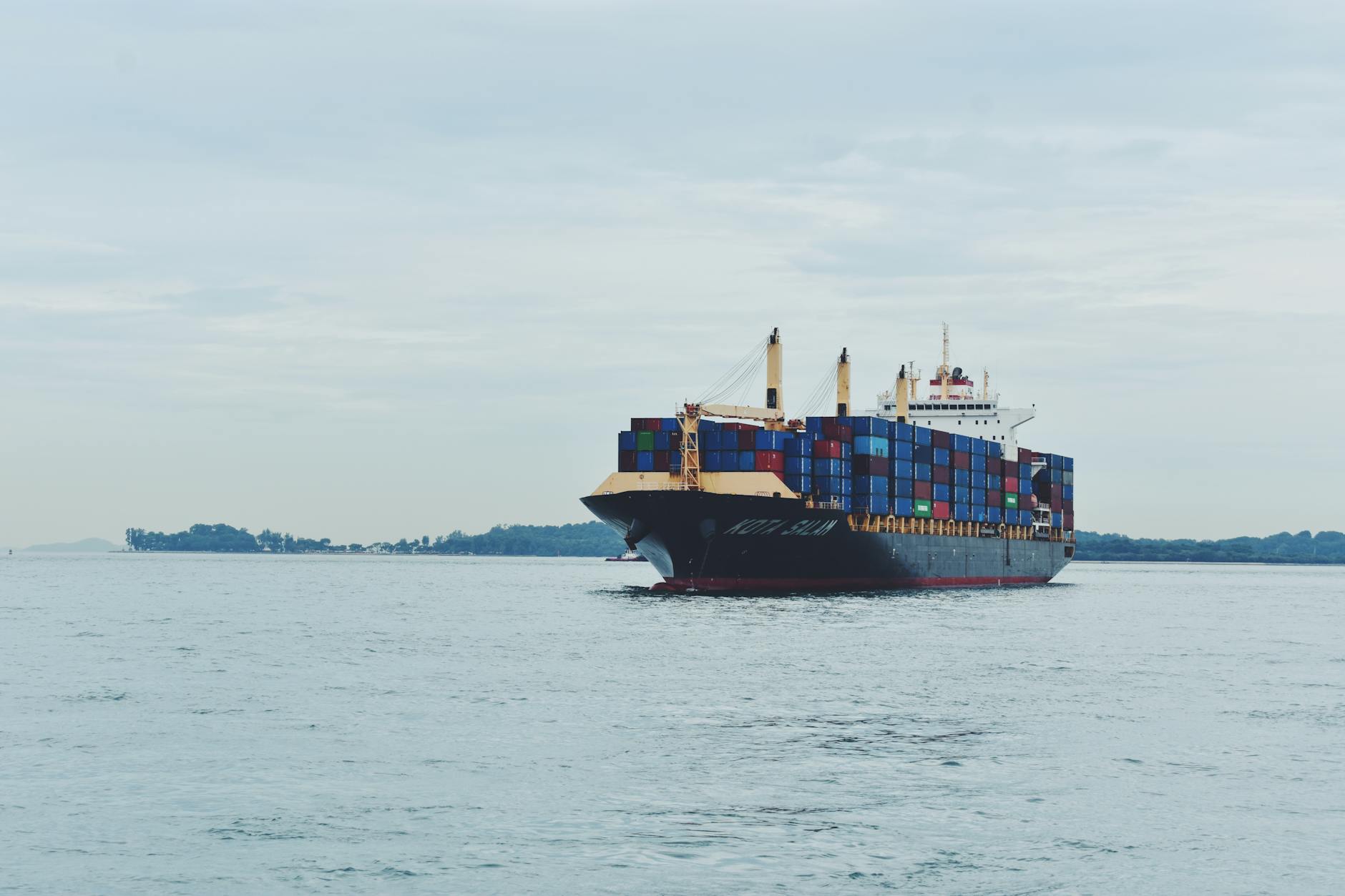
Despite the president’s optimistic tone, the US military has intensified its economic pressure on Tehran. Admiral Brad Cooper of the US Central Command announced that American forces have implemented a total blockade of Iran’s ports, effectively halting all maritime trade. According to the blockade command, 90% of Iranian commerce relies on these sea routes. By Tuesday, Centcom reported that six merchant vessels had been forced to turn back to Iranian ports, though BBC Verify analysis indicated that at least four Iran-linked ships successfully navigated the Strait of Hormuz since the operation began.
Internal Repression and Escalating Executions
While the geopolitical standoff continues, human rights organizations have documented a sharp rise in internal violence within the Islamic Republic. A report published April 13 by Iran Human Rights (IHR) and Together Against the Death Penalty (EPCM) found that 1,639 people were executed in Iran last year—a 68% increase from 2024. The NGOs noted that 795 of those hanged were convicted of drug-related offenses, while 747 were executed for murder. At least 57 individuals were put to death for security-related charges, including two protesters.
President Trump referenced the domestic situation in a post on Truth Social, where he criticized Pope Leo XIV for failing to acknowledge the severity of the Iranian crackdown. "Can somebody please tell Pope Leo that Iran has killed at least 42,000 innocent, completely unarmed protesters in the last two months?" Trump wrote. The president’s comments followed a public dispute with the pontiff, who has consistently condemned the US-led military campaign. The Pope, currently visiting Algeria, reiterated during a stop in Annaba that "the heart of God is with the small and the humble."
Diplomatic efforts remain complex. While the US and Iran prepare for potential new talks, Israel and Lebanon held their first direct diplomatic negotiations since 1993 in Washington on Tuesday. US Secretary of State Marco Rubio, who mediated the talks, called the meeting a "historic opportunity" to reduce the influence of Hezbollah. The Lebanese government requested a ceasefire to address a deepening humanitarian crisis, while Israel maintained its goal of disarming non-state militant groups.
Meanwhile, South Africa is moving to repair its own strained relationship with Washington. Pretoria has appointed Roelf Meyer, a veteran negotiator of the apartheid era, as its new ambassador to the United States. The position had been vacant since March 2025, when President Trump expelled Ambassador Ebrahim Rasool following a public rebuke from Secretary of State Rubio over Rasool’s criticism of the MAGA movement. Vice President JD Vance expressed optimism regarding the current trajectory of US foreign policy, stating at a Turning Point USA event in Georgia that the administration remains focused on securing a deal that prevents Iran from obtaining nuclear weapons.