President Donald Trump announced a three-week extension of the ceasefire between Israel and Lebanon on Thursday following high-level meetings at the White House with representatives from both nations. The agreement prolongs the truce initially established on April 16, which sought to halt hostilities that have resulted in more than 2,300 deaths and one million displaced persons since the Israeli offensive against Hezbollah began on March 2, according to BioBioChile.
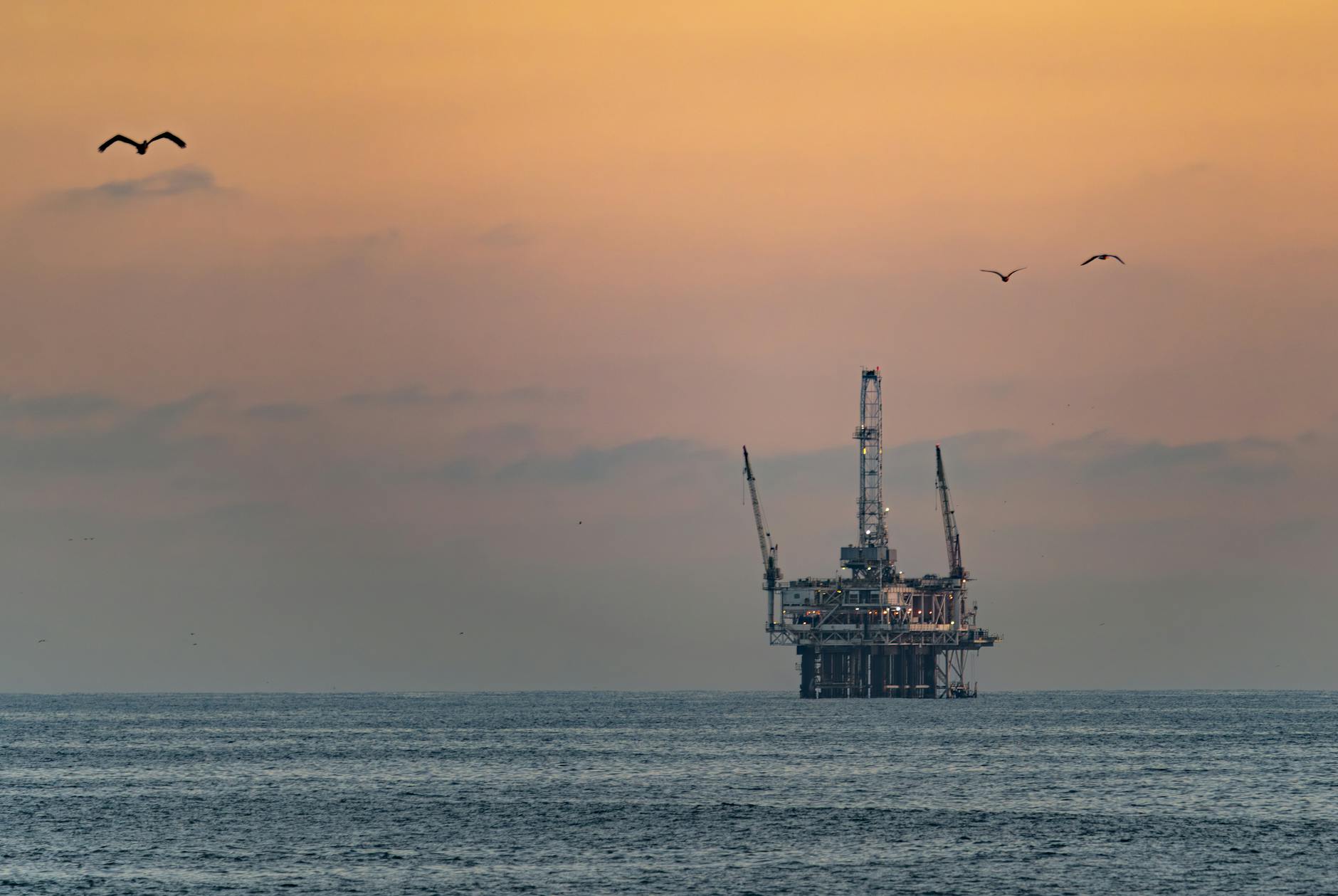
Despite the diplomatic progress in the Levant, tensions remain acute in the Persian Gulf. Global oil prices spiked Thursday, with Brent crude rising over 4% to $106.51 per barrel and West Texas Intermediate (WTI) advancing 3.11% to $95.85, according to La Tercera. Markets reacted sharply to the ongoing maritime standoff, which has seen the United States and Iran enforce simultaneous blockades since April 13.
Washington has intercepted multiple vessels in the Indian Ocean, including the M/T Majestic X, under a maritime interdiction strategy. President Trump stated Thursday that his administration maintains “total control” of the Strait of Hormuz, asserting that he has personally rejected Iranian offers to reopen the waterway. “It will open when we make a deal,” Trump told reporters, claiming the blockade is “100% effective” at curbing Iranian oil revenues.
Conversely, Hamidreza Haji Bababei, the deputy speaker of the Iranian Parliament, claimed Thursday that the first revenues collected from tolls imposed on ships using the waterway had been deposited with the country’s Central Bank. The BBC noted that it could not independently verify this claim, nor were details provided regarding the toll amounts or collection methods. Meanwhile, the U.S. Department of Defense has stated it will continue to stop ships suspected of providing material support to Iran anywhere they operate.
The economic fallout of the broader conflict deepened Thursday following reports of the resignation of Mohammad Bagher Ghalibaf, Iran’s primary negotiator. CNN Chile reported that the uncertainty surrounding Ghalibaf’s exit—coupled with stalled peace talks—pushed the Chilean IPSA index below 11,000 points and weakened the peso. Analysts at Capitaria suggested the market interpreted Ghalibaf’s departure as a potential strengthening of hardline factions within the Iranian regime.
In south Lebanon, the human cost of the conflict was marked by the funeral of journalist Amal Khalil, who was killed in a targeted Israeli strike earlier this week. Al Jazeera reported that dozens of mourners, including family members and fellow journalists, attended the ceremony. The incident occurred as the region navigates the fragile, newly extended three-week ceasefire.
Separately, the U.S. federal government moved to reclassify medicinal marijuana from Schedule I to Schedule III under the Controlled Substances Act. According to Expansión, the decision follows an executive order signed by President Trump last December aimed at facilitating clinical research into medical applications like chronic pain management. While the change does not legalize recreational use, it marks a significant shift in federal drug policy, moving the substance away from categories shared by heroin and methamphetamine.