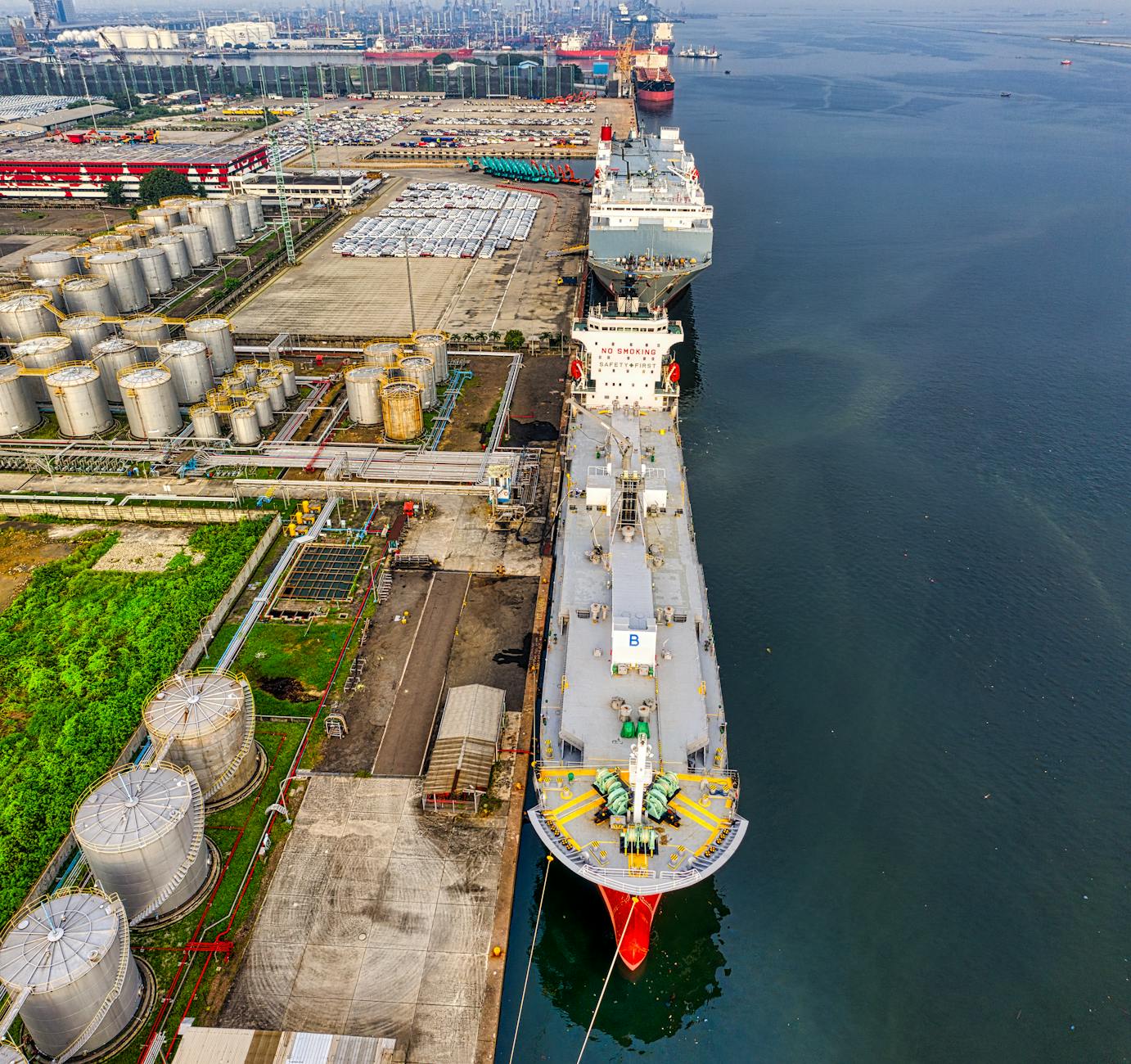
A Russian-owned tanker carrying approximately 730,000 barrels of crude oil has docked at the port of Matanzas in Cuba. The arrival marks the first crude shipment to dock in one of the island's ports since early January, ending a near-total fuel blockade. White House officials stated the decision allows for humanitarian needs despite the ongoing embargo on energy supplies.
Policy Shift and White House Response
President Trump indicated last weekend that he had no objection to nations supplying fuel to the island for survival purposes. Washington Press Secretary Karoline Leavitt confirmed the administration allowed the ship to reach Cuba to assist the population. However, officials maintain that the broader oil blockade policy remains unchanged for the time being.
This specific shipment represents a case-by-case exception rather than a full lifting of restrictions on the region. Analysts note the contradiction between the humanitarian gesture and the sustained economic pressure applied by the United States. The ship carries enough fuel to stabilize the grid temporarily but does not solve long-term infrastructure issues.
Impact on Cuban Infrastructure
The island has suffered from nationwide blackouts and severe rationing measures in recent months due to the energy crisis. Most hospitals have been unable to operate normally due to the lack of reliable power for medical equipment. Schools and government offices were forced to close as energy supplies dwindled across the capital.
Tourism, a primary economic driver, has also been significantly impacted by the instability and lack of transport fuel. Drivers face strict limits on fuel purchases, requiring them to wait weeks via a state-run application. Payments for these limited supplies must be made in United States dollars despite the local currency.
Outlook and Refining Challenges
Although the crude oil is in Cuba, it requires refining at an ageing facility in Havana before use. This process could take longer than one week before the fuel becomes usable for the grid. Experts warn that the current shipment will only buy the economy a few weeks of stability against the crisis.
Jorge Piñón from the University of Texas at Austin highlighted that diesel is the more urgent need for the nation. He noted that backup power generators and transportation systems require this specific fuel type for operations. The reliance on a single shipment highlights the fragility of the island energy sector and its dependence on external aid.
Cuba was cut off from oil supplies in January following the reported arrest of its main regional ally in the region. The situation remains fluid as the refining process begins at the local infrastructure. International observers will watch how Washington handles subsequent requests for energy aid in the coming weeks.