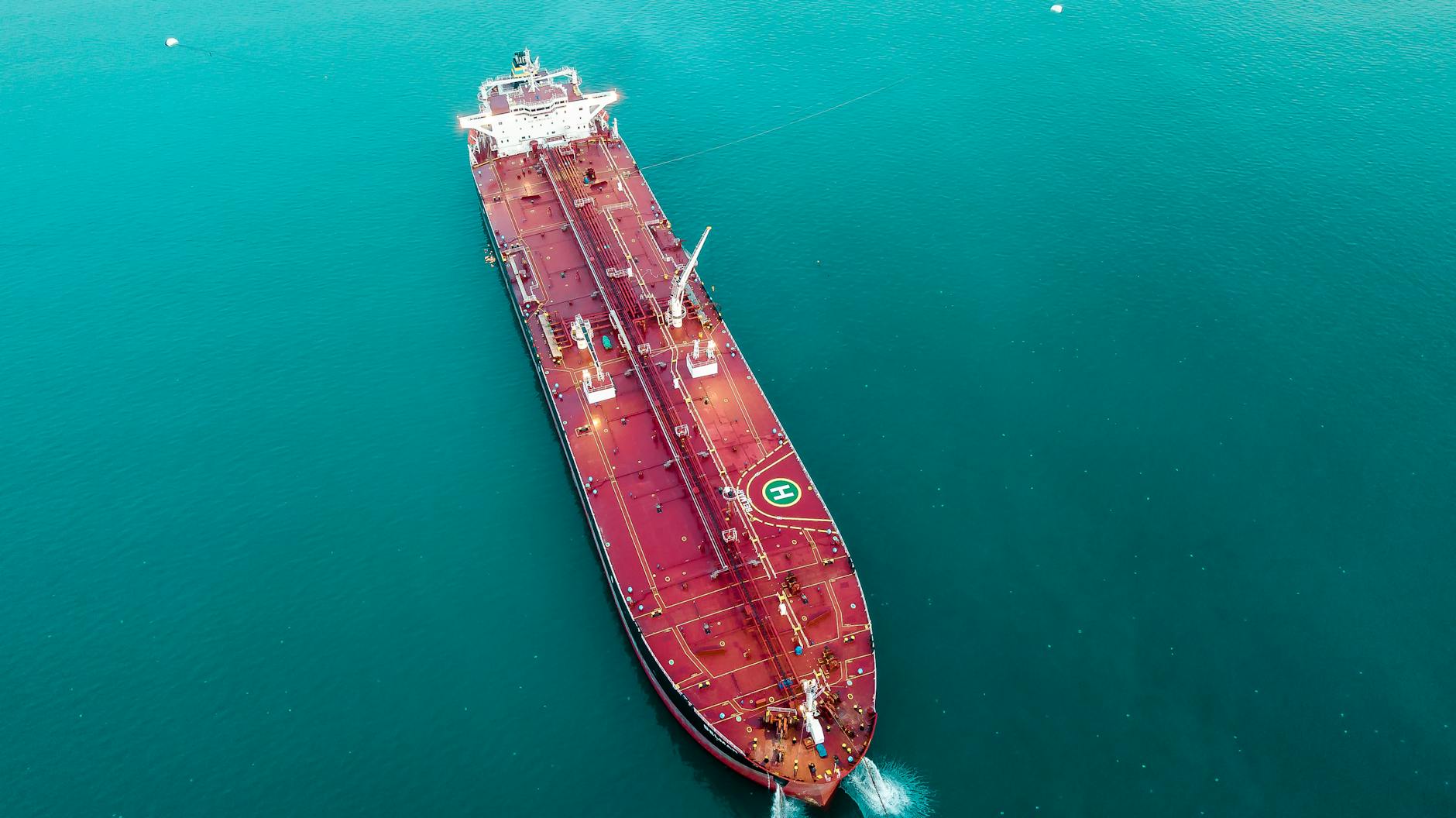
A Russian oil tanker carrying one hundred thousand tonnes of crude has entered Cuban waters, marking the first major delivery since January. This move follows remarks by US President Donald Trump indicating a shift in policy regarding the de facto blockade on the island. The arrival comes amid severe energy shortages that have blacked out much of the nation. The vessel is expected to offload the oil in Matanzas terminal in the coming hours.
Russian news agencies reported the vessel, the Anatoly Kolodkin, reached the Matanzas terminal in the coming hours. Kremlin spokesman Dmitri Peskov stated that Moscow considered it its duty to provide necessary assistance to its Cuban allies. The shipment was reportedly raised well in advance with American counterparts. Russian media reports the shipment was designated as a humanitarian cargo of crude oil.
Policy Shift Amidst Crisis
Trump told journalists on board Air Force One that he had no problem with countries sending supplies to the island. He stated, We have a tanker out there. We do not mind having somebody get a boatload because they need... they have to survive. This comment appeared to signal a loosening of restrictions his administration imposed since January. Analysts note this represents a potential reversal of the strategy imposed just weeks ago.
However, the President also maintained a hostile tone toward the Havana government during the same briefing. He remarked that Cuba is finished and criticized the leadership as very bad and corrupt. It remained unclear whether this represented a permanent reversal of the fuel blockade policy. The ambiguity suggests the policy shift may be temporary rather than structural.
Economic and Humanitarian Impact
Cuba has been experiencing a series of nation-wide blackouts due to the fuel shortage affecting critical infrastructure. The World Health Organization warned that hospitals were struggling to maintain emergency services. This crisis deteriorated rapidly after US forces seized Venezuelan leader Nicolás Maduro on three January. Venezuela had been providing the island with oil under highly preferential terms prior to the seizure.
The US Treasury Department had recently added Cuba to a list of countries barred from receiving oil deliveries from Russia. Tariffs were threatened against any nation sending fuel to the island under the previous directive. Cuban authorities have portrayed the arrival as breaking the US-imposed oil blockade. The oil the Russian tanker carries is expected to provide Cuba with a short-term lifeline.
Cuban authorities have portrayed the arrival as breaking the US-imposed oil blockade. Both sides have publicly set out a number of political and economic red lines. Talks between the Communist government and the Trump administration continue. The island faces its worst economic and energy crisis since the end of the Cold War.
Tourism dropped after the coronavirus pandemic and government mismanagement played a role in the collapse. The oil shipment is expected to provide Cuba with a short-term lifeline. It is not clear how this will affect longer-term relations between the two superpowers. Regional observers will watch for further diplomatic moves in the coming weeks.