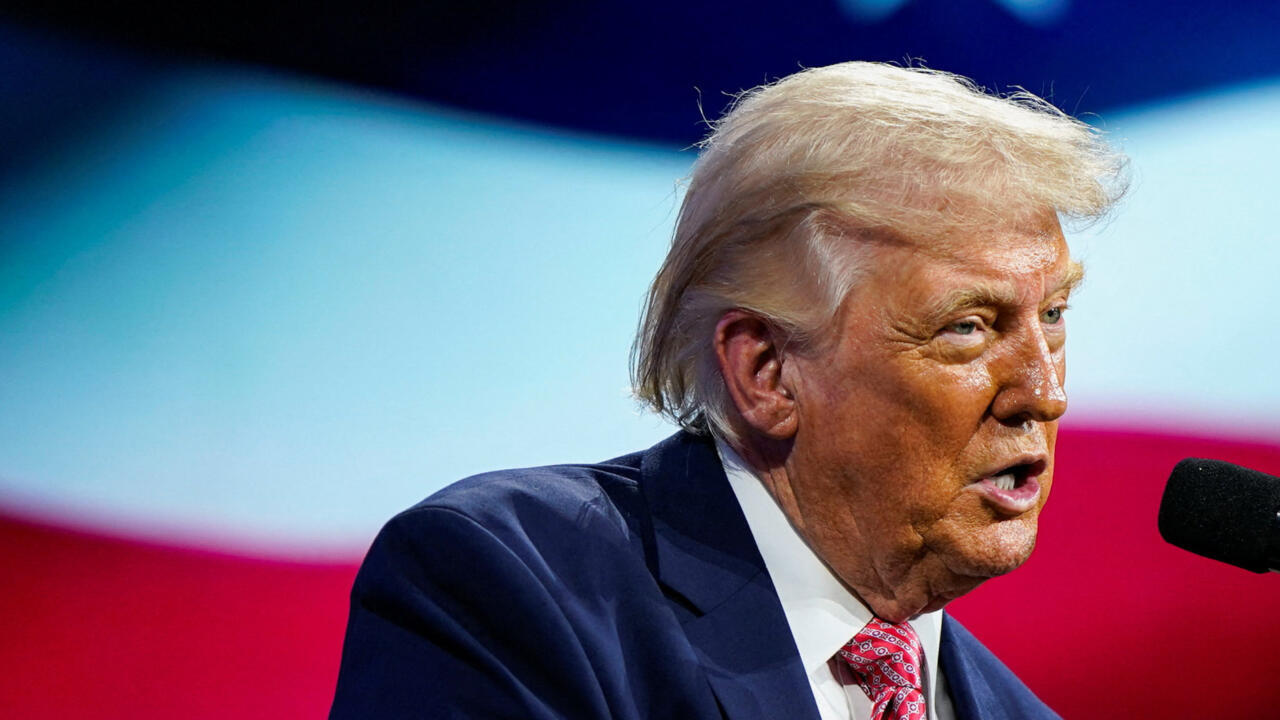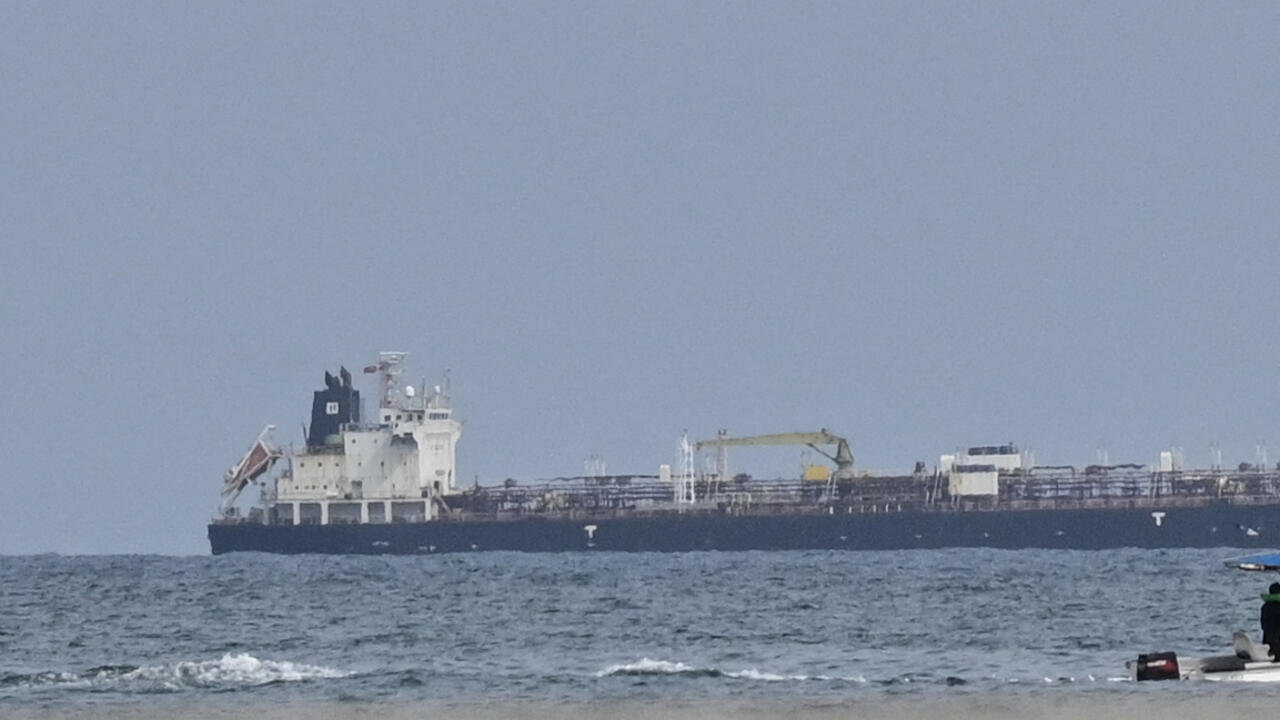
A Russian oil tanker has docked in Havana, Cuba, delivering a critical shipment of fuel to the island nation. This arrival marks the first oil delivery since January, following a reported shift in United States blockade policies. The event coincides with President Donald Trump signaling a potential softening of restrictions against the Caribbean state.
According to France 24, the vessel completed its journey through the Caribbean Sea despite previous logistical hurdles. The report highlights the significance of this transfer for a country facing severe energy shortages. This development was first investigated by correspondent Philip Turle regarding the policy change.
Geopolitical Context
The shipment occurs amid heightened diplomatic tensions in the Western Hemisphere. Reports from January suggested a period of intense friction involving regional leaders, including Venezuelan President Nicolas Maduro. While details remain disputed, the timing aligns with broader US efforts to recalibrate relations in the region.
Energy Market Implications
For Cuba, the oil represents a vital resource to maintain power grids and transportation. The nation has struggled with supply chains amid economic instability and previous sanctions. Analysts note this could stabilize the local economy temporarily.
International observers are monitoring whether this signals a permanent change in US-Latin American energy dynamics. Russia's involvement in the Caribbean remains a focal point for Washington. Future shipments will depend on the continuity of current diplomatic negotiations.
Stakeholders will watch for official confirmation from the White House regarding the blockade status. The situation underscores the complex interplay between energy security and foreign policy. Markets will react to any further developments in the coming weeks.