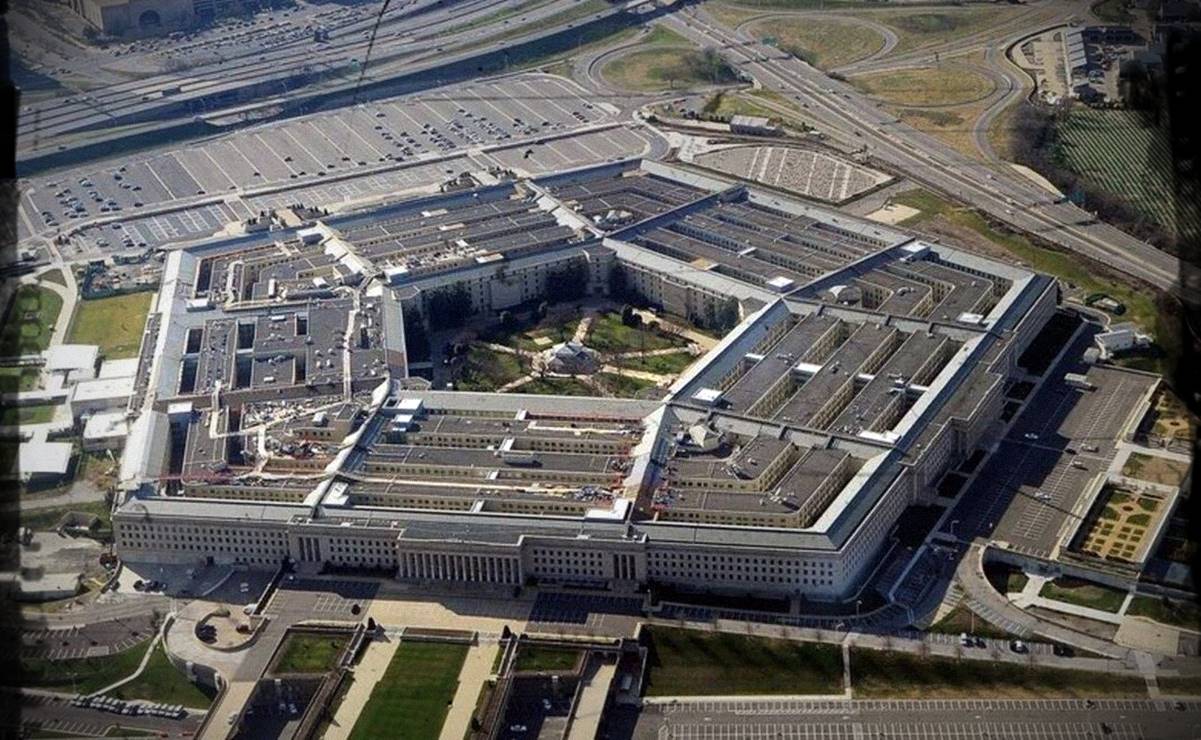
The Pentagon announced Monday it will relocate press operations to an annex outside the main building. This decision follows a federal court ruling that declared recent access restrictions unconstitutional. Department officials stated security concerns necessitated the move within the grounds. The spokesperson emphasized that safety protocols remain the primary concern for all personnel.
The iconic Corridor of Correspondents will close indefinitely for the next phase of operations. Reporters must now work from a facility strictly within the property but not inside the headquarters. Sean Parnell, the spokesperson, confirmed the schedule on X. This marks a significant departure from the decades-long tradition of on-site reporting.
Judge Paul L. Friedman issued the order last week regarding the specific policy. He cited violations of the First Amendment and due process rights in his written opinion. The policy had allowed the Secretary of Defense to revoke credentials broadly based on unverified claims. This legal intervention forced the military to reconsider its access protocols immediately.
In October 2025, major outlets surrendered credentials in protest against the new rules. The policy required acceptance of arbitrary revocation terms for any information request regardless of classification. Organizations like The New York Times and Reuters withdrew support immediately following the announcement. This mass exodus left only a fraction of the previous media pool accredited.
Conservative media remained accredited while mainstream outlets left the facility entirely. Fox News retained access despite the commentator background of the Secretary at the time. This shift altered the media landscape significantly during the current administration. The imbalance raised concerns about potential bias in official defense communications.
Parnell argued internal safety could not be guaranteed with press inside the building. He stated escorts will be required for access outside scheduled briefings moving forward. The new space availability date remains unspecified by officials during the transition. Journalists face uncertainty regarding when normal reporting conditions will resume.
For Mexico, these changes signal potential shifts in US defense transparency and regional stability. The United States and Mexico share complex security agreements regarding border control and trafficking. Economic corridors along the northern border depend on stable security frameworks for trade. Reduced access to Pentagon decision-makers could hinder joint policy coordination on security matters. Any opacity risks complicating bilateral negotiations on drug enforcement strategies involving both nations.
Critics argue the move creates a chilling effect on government reporting capabilities. It limits direct access to high-ranking defense officials for immediate questions. International observers monitor these changes closely for precedents affecting other allied nations. The restriction could impact the flow of critical information regarding regional threats.
Journalists must wait for the new annex to be fully ready for use by staff. Escort requirements will persist until further notice from leadership officials. The legal battle may continue over access protocols in court proceedings. This uncertainty creates operational challenges for daily news coverage.
Broader implications include long-term changes to military transparency standards globally. Future cooperation with allies relies on open information channels to maintain trust. Stakeholders watch how this evolves in the coming months of implementation. The outcome may define the relationship between the press and the defense sector.