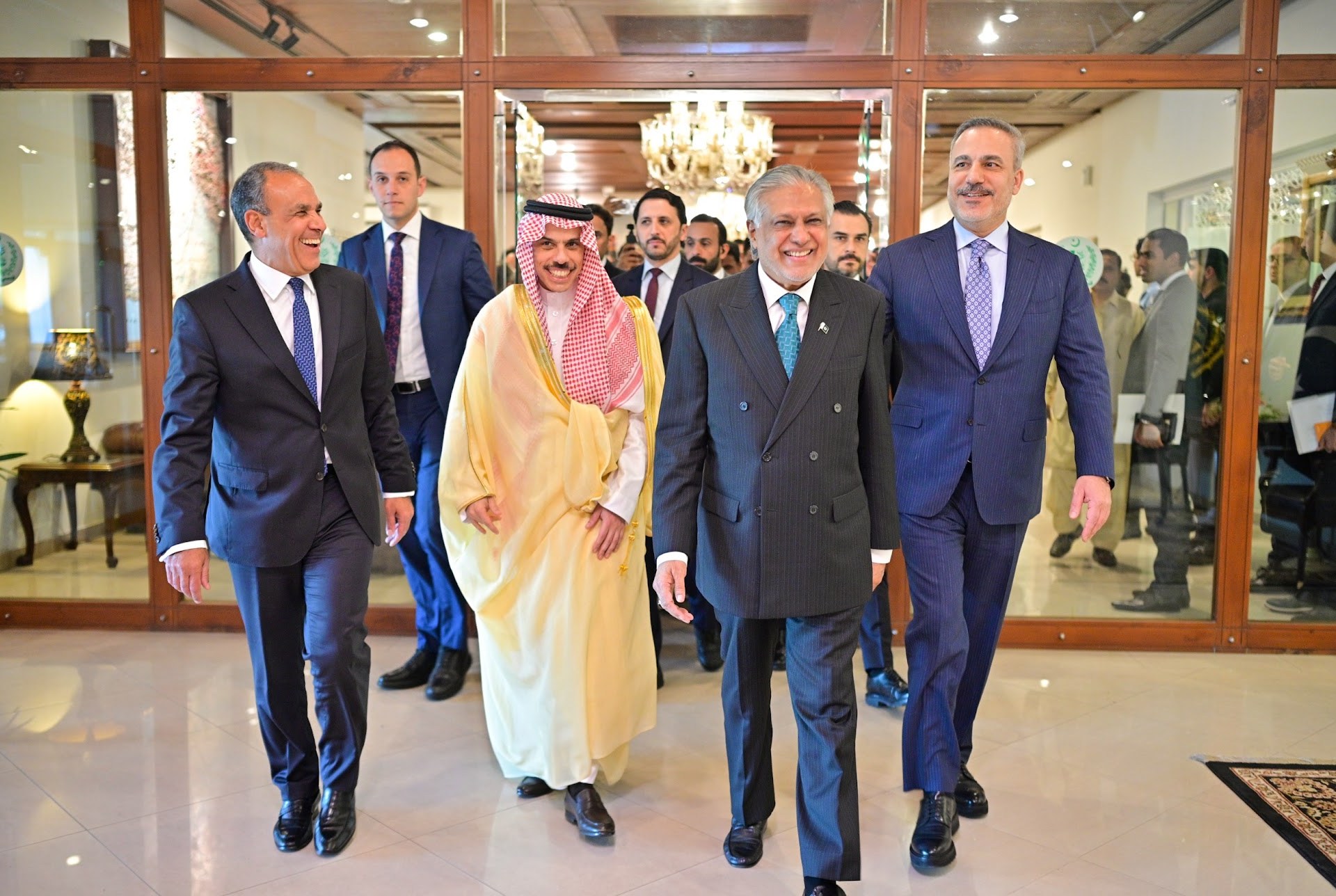
Pakistan, Saudi Arabia, Turkiye, and Egypt convened in Islamabad to facilitate direct US-Iran talks. President Donald Trump expressed confidence in a potential agreement while military tensions rise in the region. This four-nation initiative aims to contain the fallout of the ongoing conflict.
Foreign ministers confirmed the quadrilateral format aims to reduce escalation risks. Ishaq Dar stated Islamabad honored the role of hosting direct talks soon. The Committee of Four officials will work out the modalities of the process.
Diplomatic Framework
Trump signaled mixed messages regarding energy targets and peace. He told the Financial Times about oil options but assured Air Force One reporters of a deal. These contrasting postures underscore the central tension confronting Pakistan’s diplomatic initiative.
Analysts view this as the first institutional Muslim world initiative for dialogue. Mushahid Hussain Sayed noted Pakistan acts as a credible bridge between Tehran and Washington. "These are baby steps for diplomacy in a war scenario that is not only escalating but also becoming more complicated by the day," Sayed said. Both Iran and the US have reposed confidence in Pakistan.
Former diplomat Masood Khan outlined a four-stage process for negotiations. He warned that Tehran demands for reparations complicate the path forward. Khan identified the most decisive confidence-building measure as a halt to Israeli attacks.
Negotiation Hurdles
Positions remain incompatible regarding nuclear programs and sovereignty. Washington proposed a 15-point plan while Iran cited unrealistic proposals. Iran’s Ministry of Foreign Affairs spokesperson described the offers as illogical.
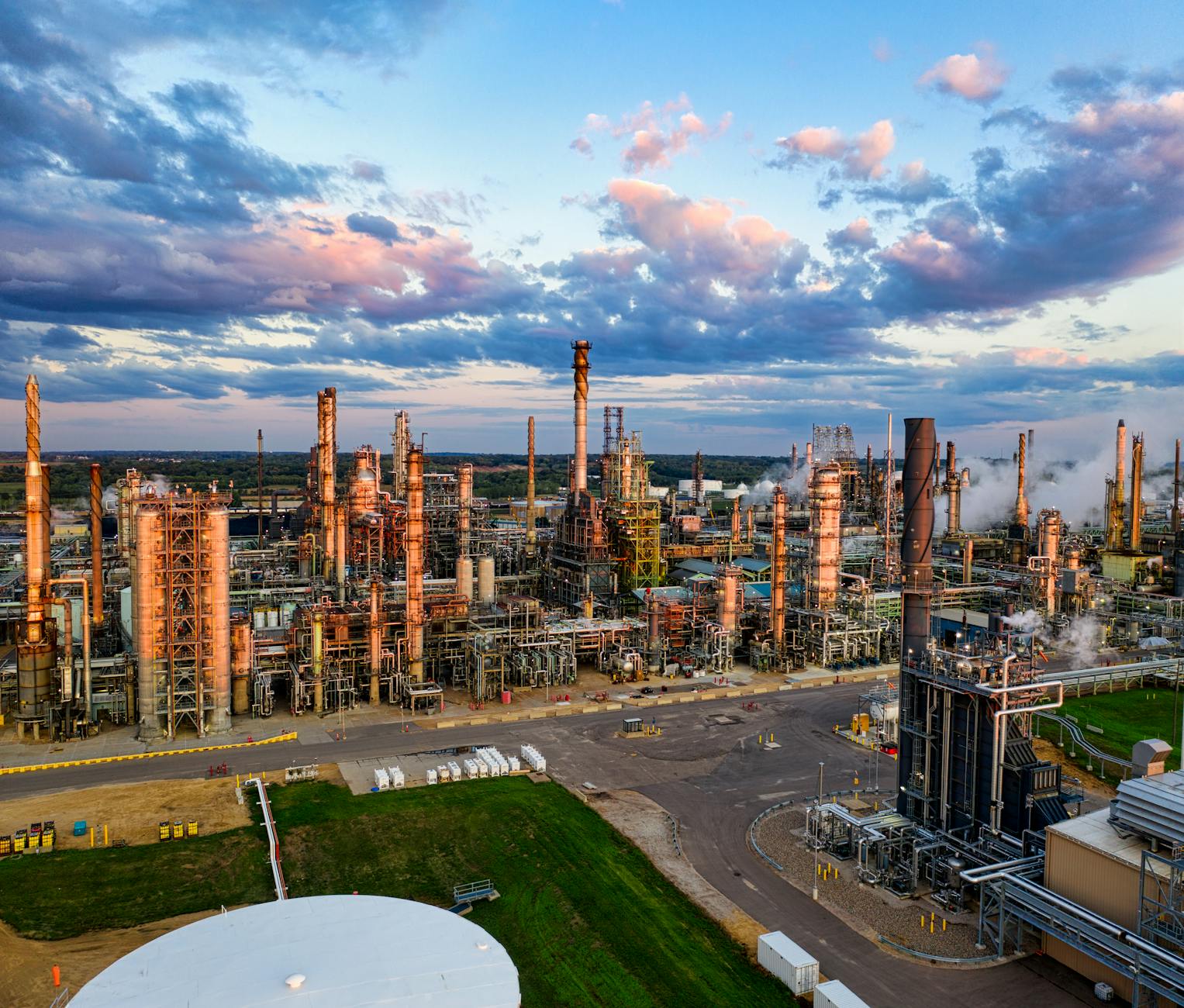
Economic pressure mounts as shipping in the Strait of Hormuz faces disruption. The International Energy Agency called the disruption the worst oil shock in history. Iran’s agreement to allow 20 Pakistani-flagged vessels through the strait is a key confidence measure.
Future outcomes depend on trust-building measures between the adversaries. Washington must address Israeli attacks to secure a lasting ceasefire. The deadline for Iran to accept a deal remains April 6.