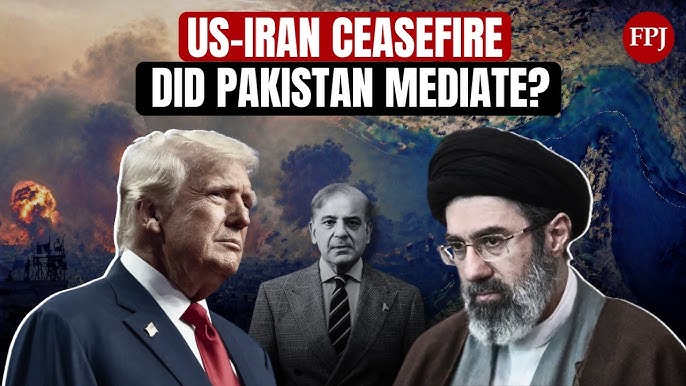
Pakistan has emerged as a central mediator in the conflict between the United States and Iran, playing a crucial role in establishing a new two-week ceasefire agreement. Islamabad is actively coordinating with both Washington and Tehran, as well as various regional powers, to work toward a permanent end to the hostilities.
According to France24, the Pakistani government is leveraging its established diplomatic ties with both the U.S. and Iran to facilitate ongoing negotiations. Officials in Islamabad are scheduled to hold further high-level talks this coming weekend to build upon the current truce.
Netanyahu under fire in Jerusalem
While international mediation efforts gain momentum, the Israeli government is facing intense pressure regarding the efficacy of its military campaign. Prime Minister Benjamin Netanyahu addressed the public following the ceasefire announcement, but the response in Jerusalem has been marked by skepticism over the lack of concrete results.
France24 reporter Noga Tarnopolsky noted that Netanyahu failed to “address the fact that Israel has not achieved any of its stated war goals.” These objectives were clearly defined at the outset of the conflict, according to the report.
These failed goals reportedly included the pursuit of regime change in Tehran and the total destruction of Iran’s domestic capacity to produce and launch ballistic missiles. Furthermore, the Israeli government has not succeeded in its stated aim to eliminate the ongoing nuclear threat posed by the Islamic Republic.
As the ceasefire holds, the diplomatic focus now shifts to whether the Pakistani-led mediation can bridge the gap between the U.S. and Iran. Simultaneously, the Israeli administration faces a growing domestic challenge to justify the outcome of a war that has left its primary strategic objectives unmet.