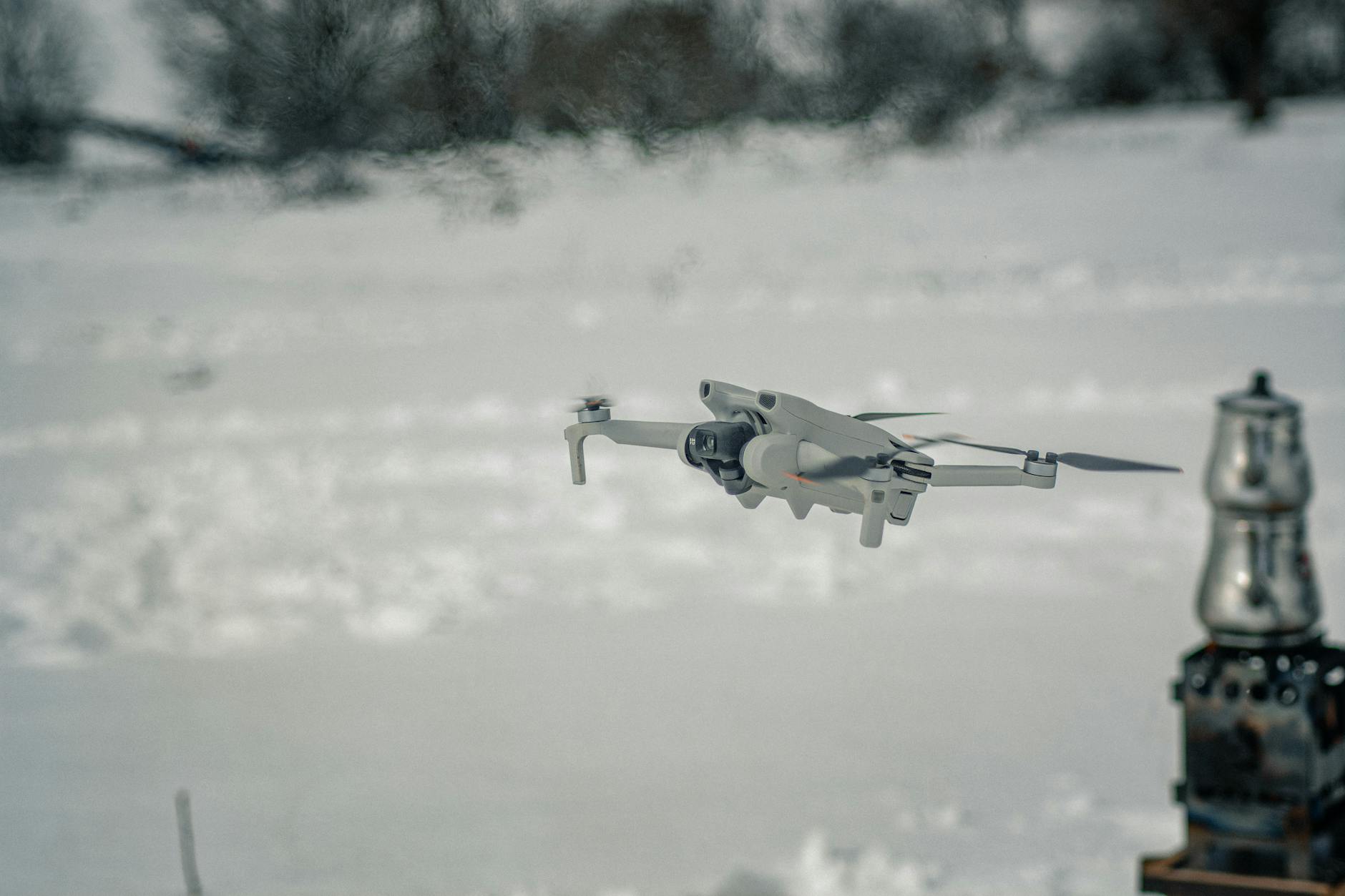
A massive wave of Russian drone strikes across central and eastern Ukraine left at least one person dead and six others injured on Wednesday, according to Ukrainian authorities.
Ukrainian Air Force officials reported early Wednesday that air defense systems intercepted 309 out of 324 drones launched during the recent hours of bombardment. The strikes targeted the provinces of Zaporiyia, Dnipropetrovsk, and Cherkasi.
In Zaporiyia, Governor Ivan Fedorov reported that the strikes hit a parking lot, a business, a bus stop, and residential buildings. The bombardment also destroyed a kiosk, resulting in the death of a 74-year-old female shopkeeper, Fedorov said via social media.
In the neighboring Dnipropetrovsk region, Governor Oleksandr Ganzha confirmed that three people were injured after drones struck two districts. In the provincial capital of Dnipro, a strike hit an administrative building and a skyscraper, hospitalizing a 29-year-old woman in moderate condition.
Two other victims in Dnipro, a 22-year-old woman and a 65-year-old man, are receiving outpatient treatment, according to Ganzha. Meanwhile, Governor Ihor Taburets of Cherkasi described a "difficult night" as drones struck several points in the regional capital, leaving three people injured.
While Ukrainian forces reported high interception rates, the Russian Ministry of Defense announced it had intercepted 85 Ukrainian drones over the Belgorod, Voronezh, Rostov, Samara, and Saratov regions, as well as in the Black Sea and Crimea. The Russian Ministry did not provide details regarding casualties or property damage.
Russia targets university students for drone warfare recruitment
As the physical bombardment continues, a new recruitment campaign is targeting the Russian academic sector. A CNN investigation has revealed that Russian authorities are pressuring university students to join the newly formed Unmanned Systems Forces.
This military branch, officially announced by the Russian Ministry of Defense in November 2025, focuses specifically on drone technology. The recruitment drive, which appears to have intensified since January, uses social media and campus posters to attract students with promises of one-year contracts and high-tech training.
Students speaking to CNN under condition of anonymity described a climate of intense academic pressure. "There are posters about drone forces everywhere in the university," one student told CNN, while another noted that "the pressure is colossal."
According to the CNN report, the campaign uses messaging that references war video games to appeal to younger demographics. Data from the independent Russian student media outlet Groza suggests that 269 universities and higher education centers across Russia and occupied Ukraine are involved in the recruitment effort.
One student noted the psychological toll of the ongoing campaign, stating that the constant calls to join the "Special Military Operation"—the Kremlin's term for the invasion—are "very unpleasant."