Long queues have emerged across Myanmar as the ongoing conflict between Iran and Western powers disrupts global energy supplies. Military-backed authorities have implemented strict rationing measures to manage depleted stocks following the closure of the Strait of Hormuz. Drivers are now facing significant delays to access fuel for daily transportation needs.
The military-backed leadership in the country has introduced an alternate day policy for private vehicles to conserve resources. Fuel consumption is now limited to **35 litres** per week for individual drivers seeking to fill their tanks. This restriction aims to prevent total depletion during a period of heightened scarcity across the region.
Regional Energy Disruption
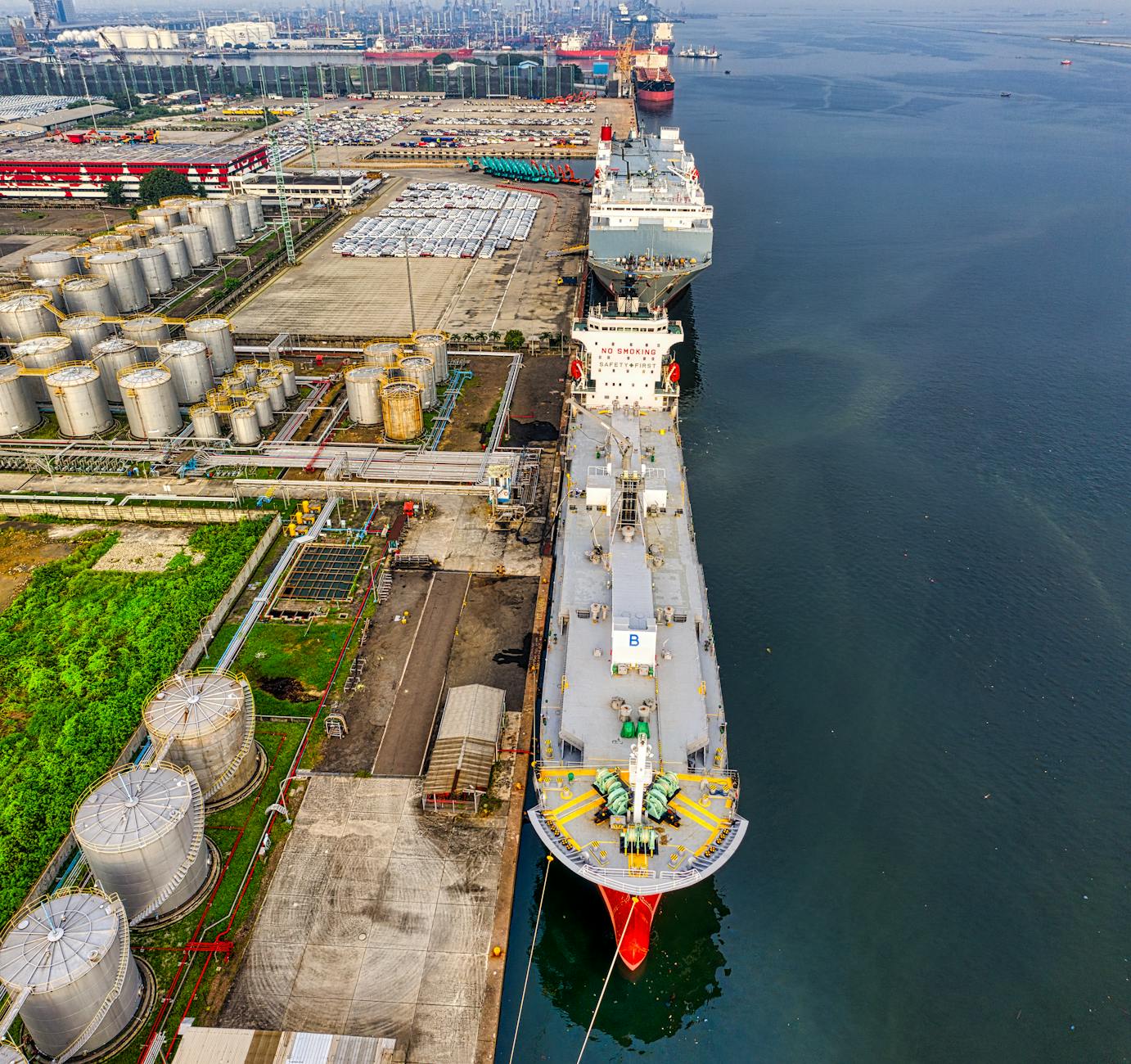
Nearly **90%** of the oil and gas that passes through the strait is bound for Asian countries, according to the BBC. That volume has all but stopped since the start of the war in late February. Shipping disruptions have created immediate bottlenecks for energy imports destined for Southeast Asia. The reduction in flow affects national budgets that rely on stable fuel costs for industrial production. Importers face higher premiums on alternative shipping routes through the Indian Ocean.
Jonathan Head, the BBC's South East Asia Correspondent, reports from Myanmar that the situation is deteriorating rapidly. Oil prices have soared globally in response to the military strikes on Iranian territory. These higher costs are compounding the logistical challenges faced by local transport operators.
Geopolitical Context
The country has been engulfed by civil war since May 2021, creating a fragile backdrop for economic stability. The military government struggles to maintain order while managing essential supplies for the population. Security concerns often prevent efficient distribution of remaining fuel reserves.
The military-led administration cites external pressures as the primary reason for the fuel restrictions. They argue that global sanctions and market manipulation are hindering their ability to secure imports. Citizens express frustration as the cost of living rises alongside the scarcity of essential resources. This tension adds to the existing domestic unrest that has persisted since the 2021 coup.
The closure of the waterway represents a critical choke point in global trade networks that rely on Middle Eastern exports. Any prolonged interruption threatens to inflate inflation rates in nations dependent on imported energy. Analysts warn that regional markets could face volatility if shipping lanes remain blocked. Logistics firms are already adjusting routes to avoid the high-risk zone around the Persian Gulf. These detours increase operational costs and delivery times for commercial shipments.
International oil markets are currently reacting to the escalation of hostilities between the United States and Israel. Traders are monitoring the situation closely to assess potential long-term supply constraints. The current volatility serves as a stark reminder of energy security vulnerabilities.
Future Outlook
Broader implications suggest that Southeast Asian economies may need to diversify their energy sources to mitigate future risks. Governments in the region will likely prioritize strategic reserves to buffer against sudden shocks. The coming weeks will determine if diplomatic efforts can reopen the shipping route. Policymakers are also considering the purchase of liquefied natural gas from non-conflict zones. This shift could alter long-term trade agreements with major oil producing nations.