The Chornobyl Exclusion Zone remains a landscape of dual threats, where the legacy of the 1986 nuclear disaster meets the active dangers of the ongoing Russian invasion of Ukraine.
In the 30km-wide restricted area, air raid sirens now punctuate the silence of the snowy forests. Soldiers manning anti-aircraft guns on the Prikyat River border watch for Russian drones and missiles launched from nearby Belarus.
Despite the presence of intense radioactive pockets, small groups of scientists, elderly returnees, and soldiers have established lives within the abandoned structures of the zone. Local wildlife, including wild horses, also continues to thrive in the surrounding forests.
A history of catastrophe
The nuclear disaster began in the early hours of April 26, 1986, during a safety test on Unit 4 of the Chornobyl Nuclear Power Plant. A violent power surge tore the reactor open and scattered radioactive debris into the atmosphere.
Soviet authorities initially withheld information about the fallout. It was not until April 28, after radiation levels were detected at a facility in Stockholm, Sweden, that officials acknowledged the accident.
Since the Russian invasion on February 24, 2022, the zone has faced new layers of instability. Russian forces briefly occupied the area, and much of the exclusion zone has since become militarized.
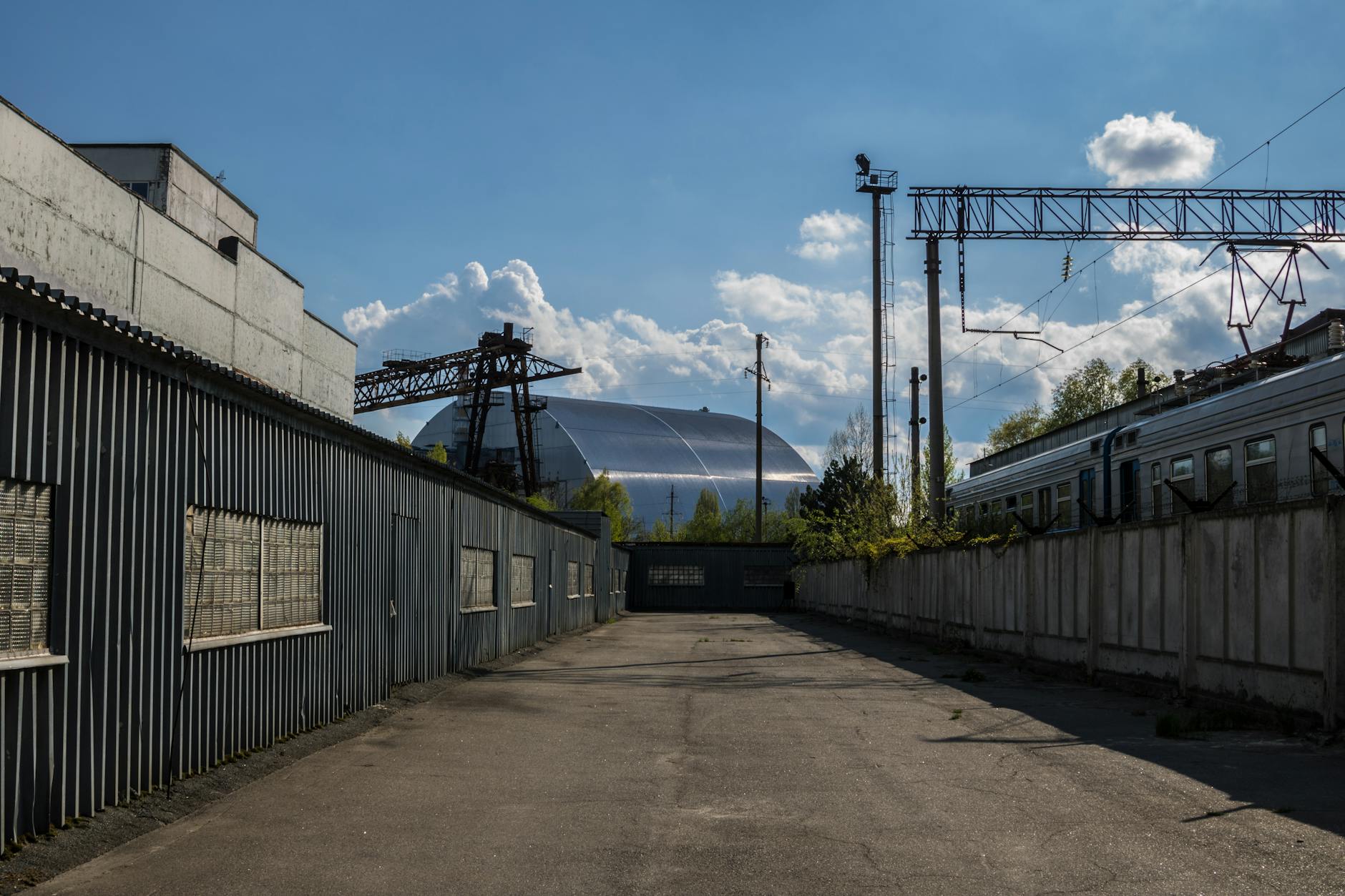
The exclusion zone, comparable in size to Luxembourg, was established to contain the spread of contamination following the initial evacuation. Today, the area remains a site of intense monitoring, with radiation protection engineers working in front of the New Safe Confinement (NSC) covering the destroyed fourth reactor.