Lecornu Survives Parliamentary Challenge as France's Budget Crisis Deepens
French PM narrowly avoids government collapse after forcing 2026 budget through parliament. Political instability threatens eurozone's second-largest economy.
Lecornu Survives Parliamentary Challenge as France's Budget Crisis Deepens
Advertisement
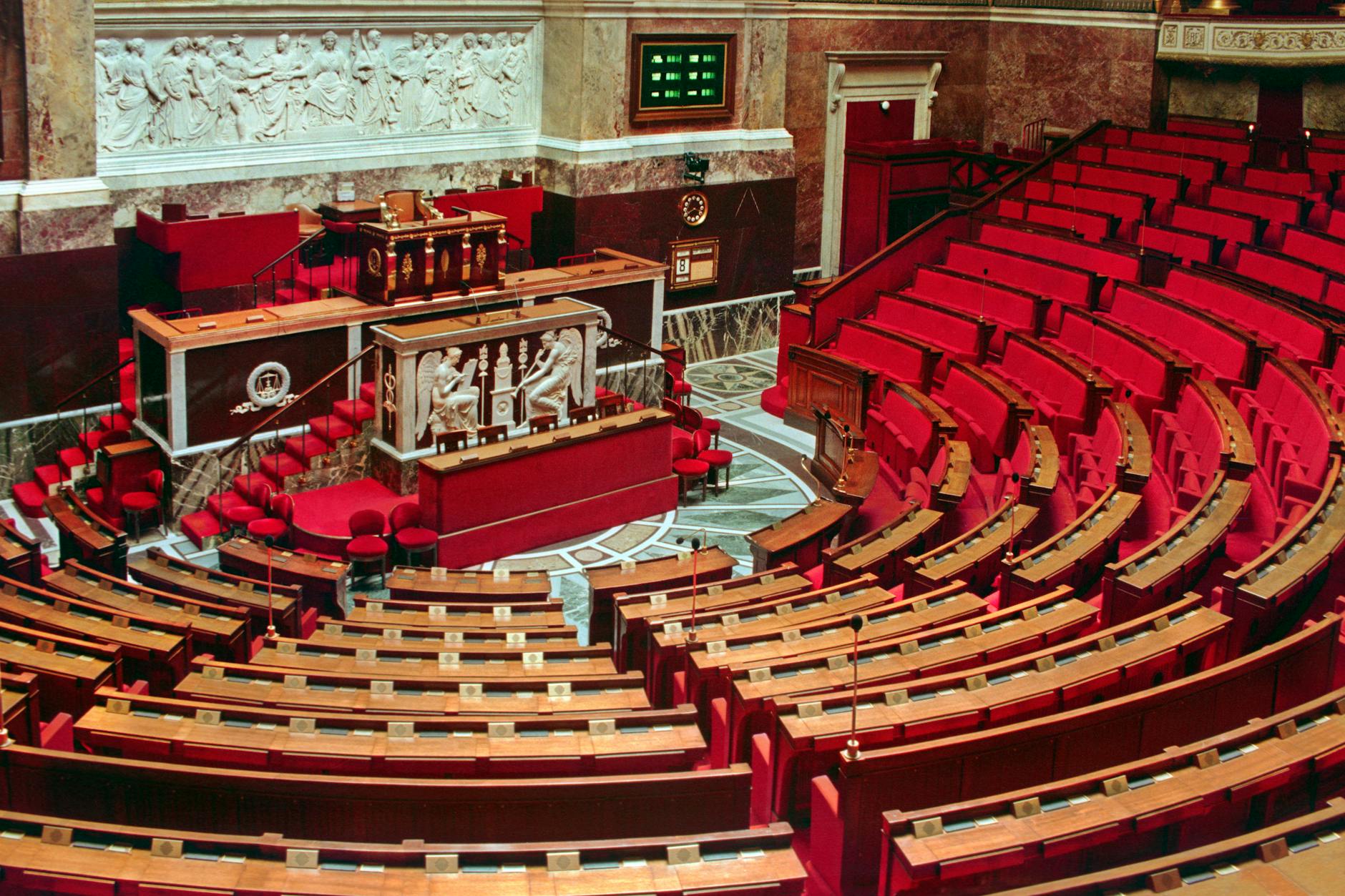
French Prime Minister Sébastien Lecornu survived a crucial test of his government's stability on Tuesday, weathering two no-confidence motions triggered by his controversial decision to bypass parliamentary approval on France's 2026 budget expenditure package.The National Assembly rejected both motions, with the more threatening left-wing coalition falling 22 votes short of the 289 required to topple the government. A total of 267 lawmakers supported the motion filed by France Unbowed alongside the Greens and Communists, while only 140 backed a separate challenge from the far-right National Rally.The votes represent the latest chapter in France's deepening political crisis, which has gripped the eurozone's second-largest economy since President Emmanuel Macron's ill-fated decision to call snap elections in 2024. That gamble cost Macron his parliamentary majority and has since forced successive prime ministers to govern through constitutional mechanisms rather than democratic consensus.Lecornu deployed Article 49.3 of the French constitution to ram through both the revenue and expenditure portions of the 2026 budget without parliamentary votes—a dramatic reversal from his earlier pledges to seek legislative approval. The constitutional tool allows governments to force through legislation but exposes them to immediate no-confidence challenges.Defending his approach, Lecornu characterized the budget as a "breakthrough" package that would increase defense spending by €6.5 billion ($7.78 billion), urging lawmakers to adopt a "long-term perspective" on France's fiscal trajectory. The emphasis on defense spending reflects growing European security concerns amid ongoing geopolitical tensions.The budget must now proceed to the Senate before returning to the National Assembly for final adoption, where Lecornu will likely face additional no-confidence votes when he again invokes Article 49.3 to secure passage.The political turbulence underscores the broader challenges facing European democracies as they grapple with fragmented parliaments and rising populist movements. France's inability to achieve stable governance through traditional parliamentary procedures highlights the institutional strains emerging across the continent.Lecornu's survival marks a departure from the fate of his two immediate predecessors, both of whom were ousted over budget negotiations. However, his reliance on constitutional mechanisms rather than parliamentary consensus raises questions about the sustainability of his administration and France's broader political stability.Source: France 24 with AFP and Reuters reporting