Lebanese President Joseph Aoun is currently managing a high-stakes diplomatic and security tightrope walk, with critical international engagements scheduled for February and March signaling a potential inflection point for national stability. The convergence of planned visits by the Lebanese Armed Forces (LAF) Chief of Staff to Washington and an international support conference in Paris underscores Beirut's urgent need for external backing to manage the volatile post-ceasefire environment.
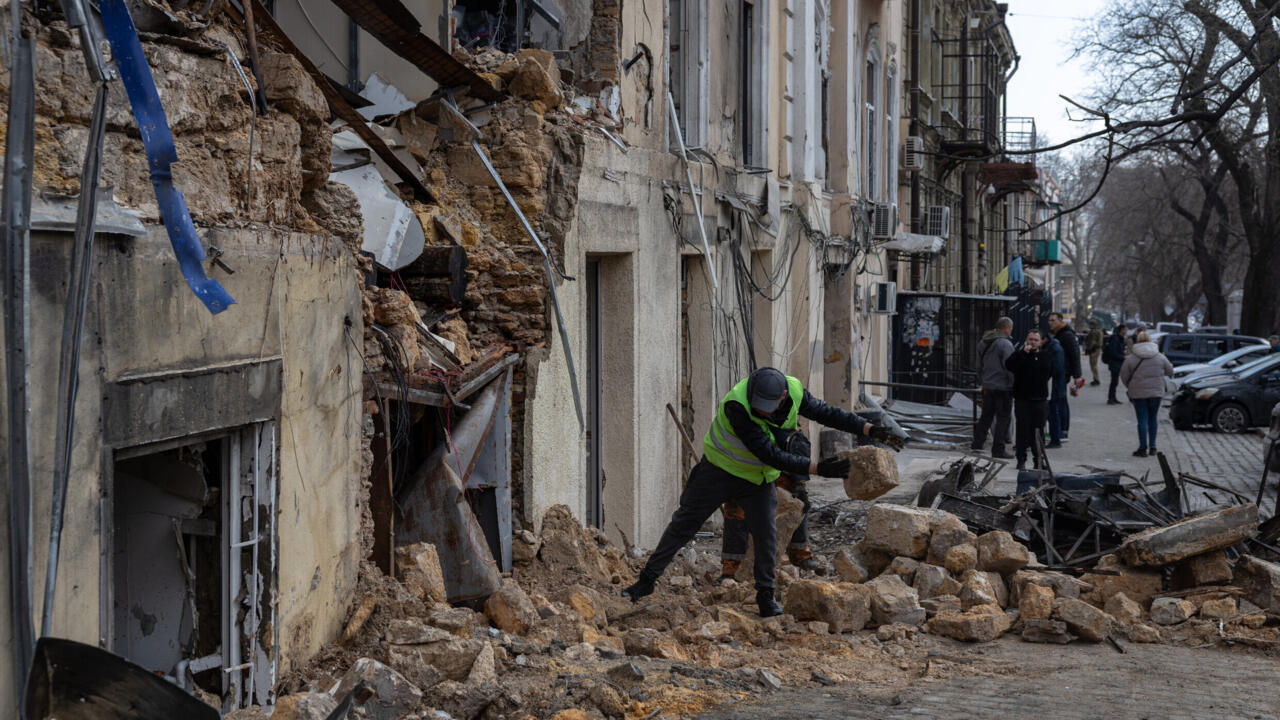
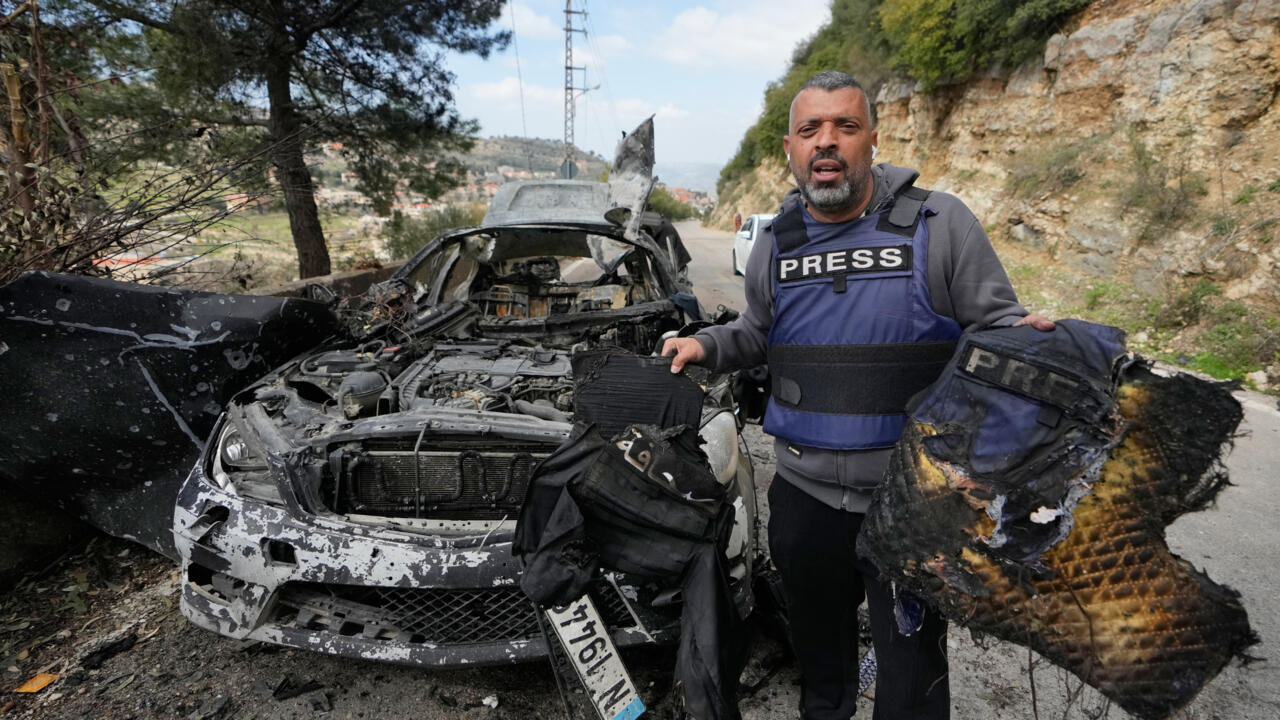
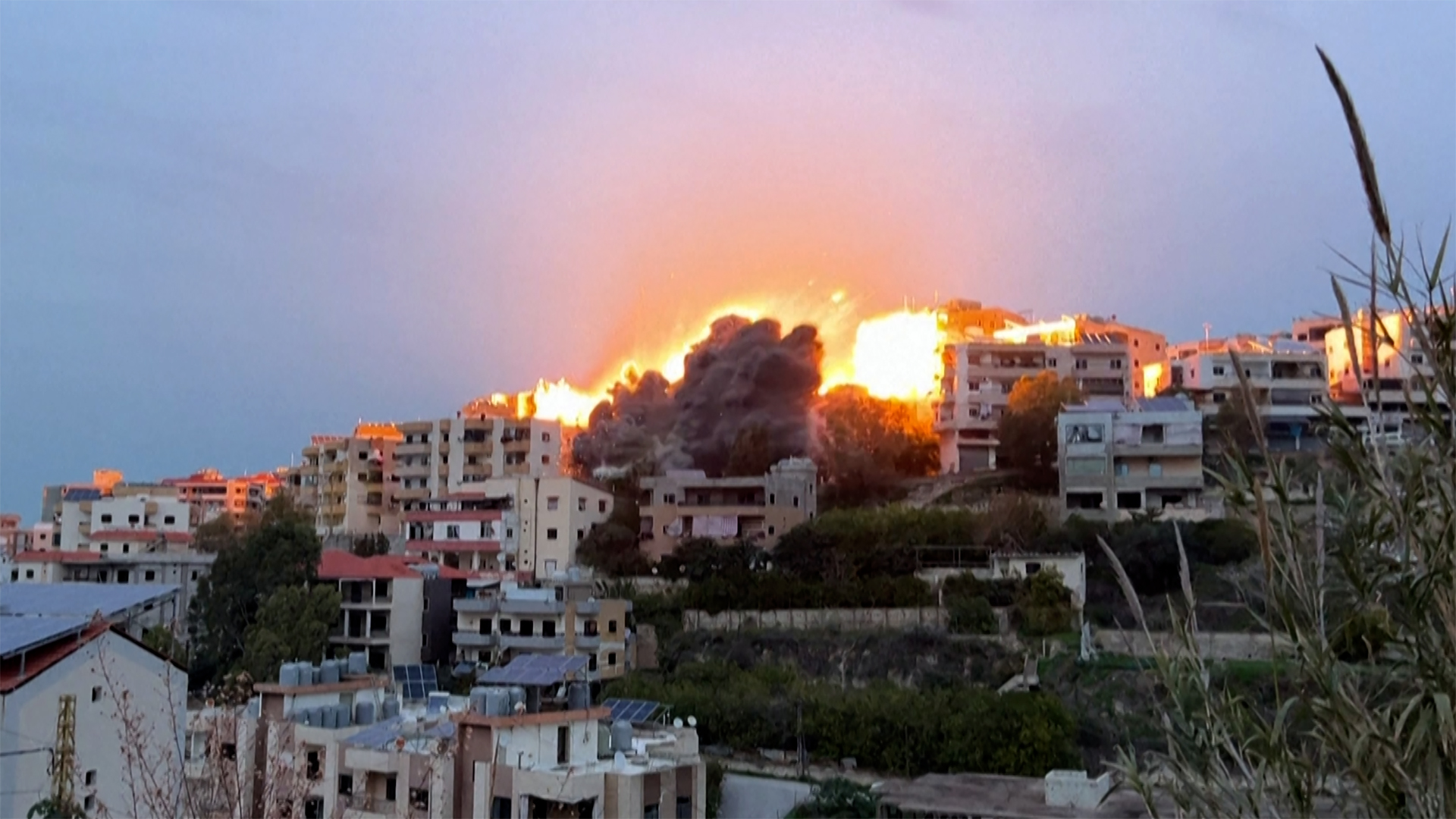
This delicate balancing act is complicated by the failure of the November 2024 Israel-Hezbollah truce to fully materialize on the ground. While Hezbollah has largely adhered to its commitment to halt cross-border fire since December 2024, Israeli military activity, including near-daily bombardments in South Lebanon and the Bekaa Valley, continues unabated. Sources close to the Lebanese presidency stress that accountability for the ceasefire violations remains absent, leaving Lebanon exposed.
Central to the pressure campaign from Washington and Jerusalem is the phased disarmament of Hezbollah. Hezbollah leadership, however, has explicitly rejected any withdrawal north of the Litani River unless Israel fully complies with the established truce terms and ends its occupation of Lebanese territory. This stance places President Aoun, himself a former military chief, in an untenable domestic position, caught between powerful international demands and the risk of fracturing the already strained Lebanese political landscape.
Analysts suggest Aoun’s immediate strategy is focused on damage limitation and capacity building. Upcoming meetings, particularly the one in Paris, are crucial for securing the necessary financial and logistical support to strengthen the LAF. A more robustly equipped and funded army is viewed by Beirut as the only viable mechanism to gradually secure arms caches and enforce security mandates without triggering a civil conflict reminiscent of Lebanon’s past.
Concerns persist that US leverage over Israel is insufficient or unwillingly applied to secure key Lebanese prerequisites, such as an end to Israeli overflights and territorial incursions. Political scientist Imad Salamey noted that Lebanon is being asked to deliver comprehensive security outcomes without reciprocal, enforceable guarantees from the opposing side.
Domestically, Hezbollah maintains open lines of communication with the presidency but publicly criticizes the government’s perceived ineffectiveness in achieving concessions from Israel. The group views ongoing military pressure as justification for maintaining its armed posture, creating an impasse where disarmament discussions stall as long as Israeli violations persist.
Should international support materialize, there is speculation that the LAF might adopt a more assertive posture regarding disarmament phases, potentially moving against caches between the Litani and Awali rivers. However, expert consensus points to the LAF prioritizing the avoidance of internal strife above all else, unless tangible military support significantly alters the balance of power.
Ultimately, the coming months will reveal whether coordinated international diplomacy—leveraging Saudi, French, and Qatari influence alongside US engagement—can compel Israel to adhere to the truce, thereby creating the necessary security environment for Lebanon to pursue Hezbollah’s long-term disarmament without risking renewed internal conflict. (Source: Al Jazeera and independent analysis)