A United States federal judge has issued a temporary injunction blocking the construction of a new ballroom at the White House. Judge Richard Leon ruled that the Trump administration failed to follow required legal procedures before breaking ground on the project. The decision stems from a lawsuit filed by the National Trust for Historic Preservation regarding constitutional compliance with property laws.
Key Legal Findings
Leon's 35-page written opinion concluded that Congress must provide statutory authorization for the expansion to proceed legally. He stated explicitly that the President acts as a steward for the White House rather than an owner with unrestricted property rights. The ruling cites the Constitution as reserving property disposal rules strictly to the legislative body in the United States.
"The President of the United States is the steward of the White House for future generations of First Families," Leon wrote in the order.
The judge argued that the administration violated laws by failing to file plans with the National Capital Planning Commission before starting work. Additionally, the court noted that an environmental assessment was required before any demolition of existing structures could take place. These procedural failures formed the basis for the immediate stop order issued to the construction teams on site.
Administration Response
President Donald Trump vowed to appeal the decision immediately upon the official ruling being released to the public. He disputed the necessity of Congressional approval, arguing the current facilities are inadequate for hosting important world leaders. The administration highlighted an upcoming visit by King Charles III as a logistical reason for the rapid expansion of the venue.
"Unless and until Congress blesses this project through statutory authorization, construction has to stop!" said Judge Richard Leon.
Trump also criticized the preservation group for suing to stop his renovation of the Kennedy Center, which he recently renamed. He stated that the current setup is insufficient to host dignitaries because of the wet grass conditions during rainy weather. The President insisted that the project is under budget and funded entirely by private donors without taxpayer cost.
Project Context
The proposed structure has grown significantly since the initial announcement phases regarding the White House renovation plans. Original blueprints showed a capacity for 500 guests, but the current design accommodates 1,350 attendees for large events. This significant increase in capacity has drawn scrutiny from preservationists and legal experts alike regarding the scope.
The original East Wing, constructed in 1902, was demolished last autumn to clear the foundation for the new ballroom. The administration claimed the new construction was more economical than renovating the existing East Wing facilities. They noted that many prior presidents altered the White House structure during their respective tenures in office.
What This Means
This legal challenge highlights the tension between executive power and legislative oversight in historic preservation matters. The outcome may set a precedent for future renovations of federal properties across the nation involving similar funding structures. Stakeholders will watch closely to see if the appeal alters the initial injunction regarding the construction halt.
"We are pleased with Judge Leon's ruling today to order a halt to any further ballroom construction," said Carol Quillen.
Administration officials previously argued that delays would harm national security, a claim the judge dismissed as lacking merit entirely. Leon wrote that the existence of a large hole beside the residence was a problem of the President's own making during construction. This dismissal underscores the court's focus on procedural compliance over security justifications in this specific case.
Future Outlook
The order takes effect in 14 days, allowing sufficient time for the administration to file an appeal with the higher court. During this window, construction must cease entirely to comply with the federal court order and avoid penalties. Any resumption of work without Congressional approval could result in further legal penalties and prolonged litigation delays.
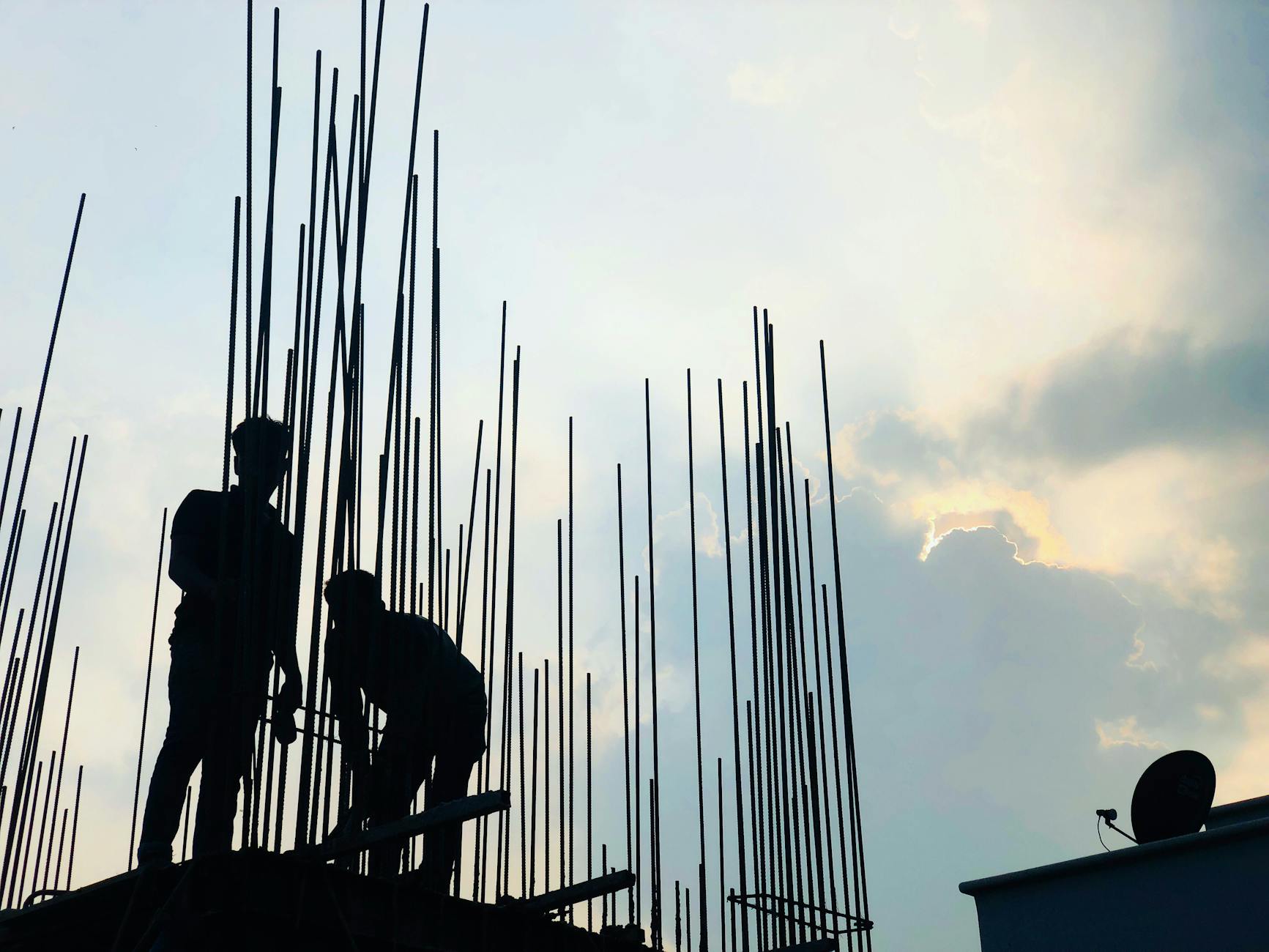
Construction is already well under way after the East Room was torn down in a matter of days last autumn. The aboveground construction was due to begin next month before the injunction stopped the progress on the site. The White House will need to navigate these legal hurdles before resuming the multi-million dollar building project.