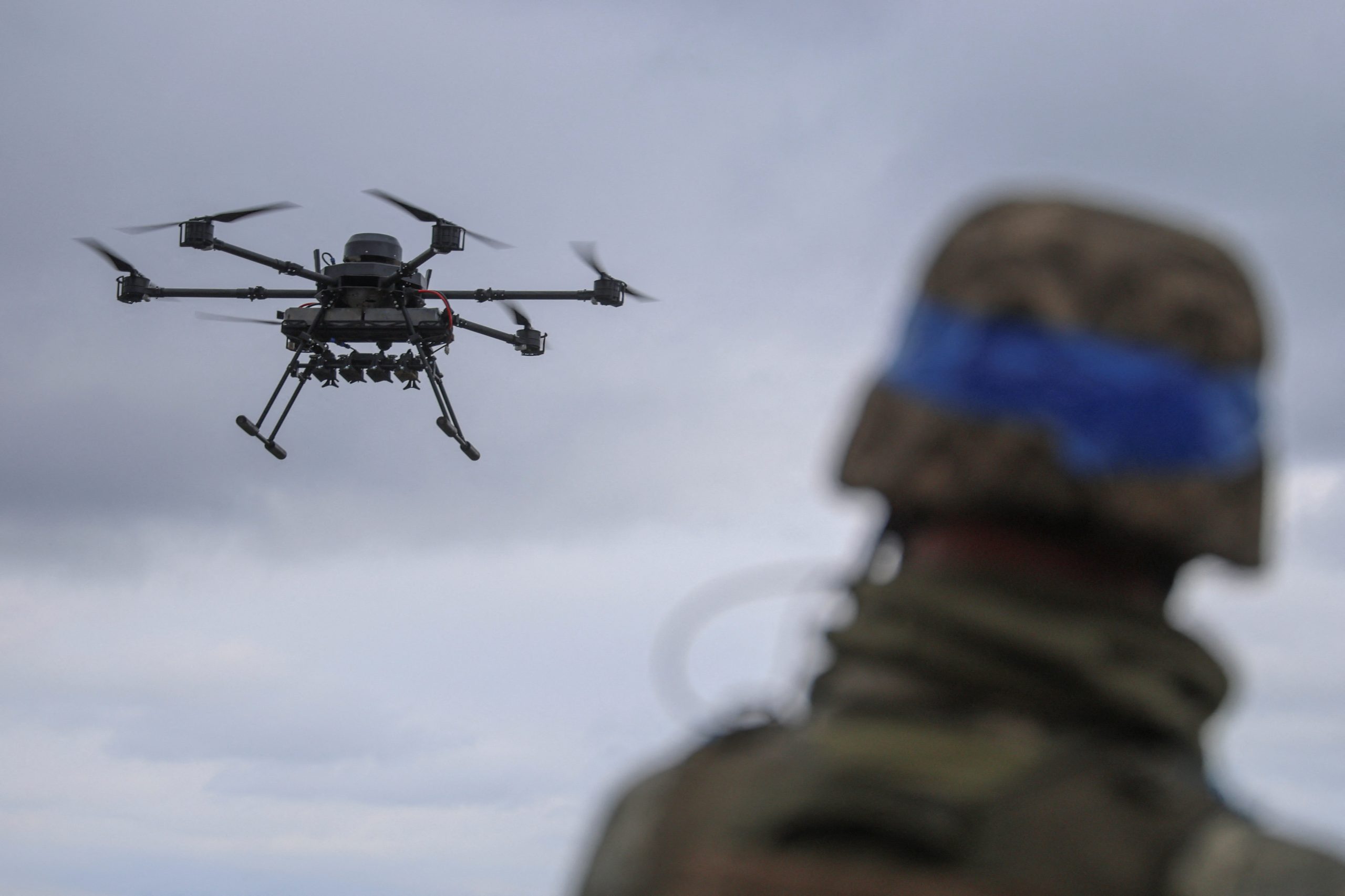
Japanese technology company Terra Drone is deepening its operational footprint in Ukraine by sending engineers directly to the frontlines. The firm aims to test and refine its defense technology under real combat conditions, according to a report from Defence 24.
This move marks a significant shift in Terra Drone’s strategy, moving beyond initial investment into active field participation. The company is collaborating with Amazing Drones, a Ukrainian startup operating under the Brave1 government cluster.
A $2,500 alternative to missile defense
The partnership focuses on developing interceptor drones specifically designed to neutralize Iranian-made Shahed UAVs. These low-cost interceptors represent an urgent technical answer to the high cost of using expensive, US-made missiles to shoot down mass-produced suicide drones.
Reuters reports that the $2,500 price point for these Ukrainian systems has drawn significant attention from Gulf states, including Saudi Arabia and the UAE. These nations are looking for scalable, affordable ways to protect their airspace without depleting their conventional missile stockpiles.
Terra Drone’s engineers are not just providing technical support; they are also learning from the Ukrainian military’s approach to decentralized production and rapid iteration. By working alongside local developers, the Japanese team can implement design changes in days rather than months, a necessity in the current war environment.
This collaboration represents the first public instance of a Japanese company investing in a Ukrainian defense firm. It follows Japan’s broader commitment of $20 billion in aid to Ukraine, which has historically been restricted to humanitarian and reconstruction sectors due to the constraints of the Japanese Constitution regarding weapons exports.
As the conflict continues, the integration of Japanese engineering precision with Ukrainian combat experience signals a new model for defense industry development. Both parties benefit: Ukraine secures a vital partner for its domestic production, while Terra Drone gains access to a testing ground that is currently defining the future of aerial warfare.