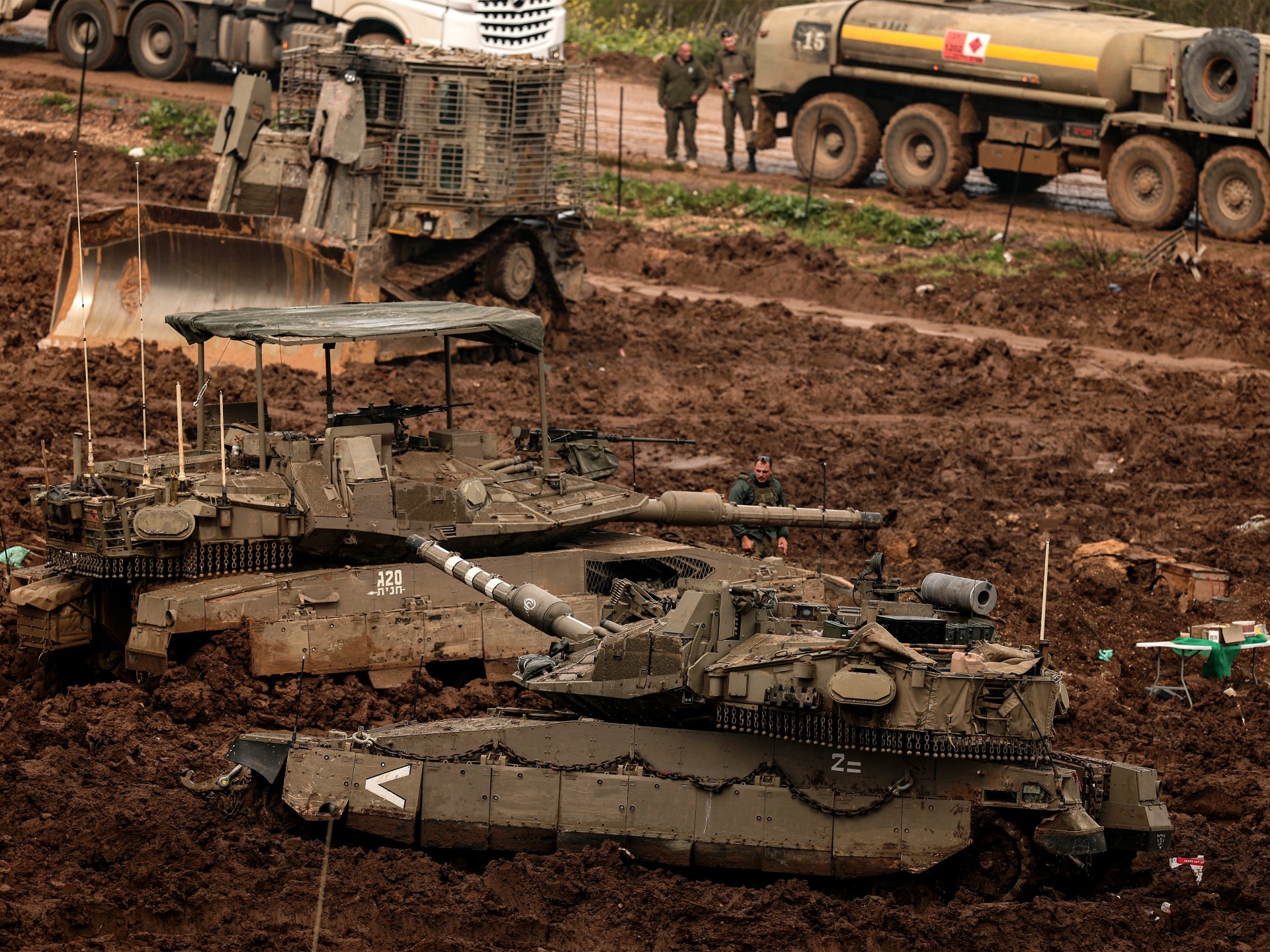
Israel has authorized the deployment of additional military units into southern Lebanon, escalating its ground invasion despite widespread international concern. The Israeli Defense Forces confirmed via social media that Division 162 will operate in the region to expand a designated buffer zone. This decision follows Prime Minister Benjamin Netanyahu's statement regarding the need to neutralize missile threats from Hezbollah.
Division 162 joins two other army divisions already active in the southern theater of operations. The Israeli military intends to push back forces capable of launching long-range attacks toward its northern border. Defense Minister Israel Katz stated that Lebanese citizens would not be permitted to return until security in northern Israel is guaranteed.
The escalation began in early March after Hezbollah fired rockets following the assassination of Iranian Supreme Leader Ayatollah Ali Khamenei. This event occurred within the broader context of a US-Israeli war on Iran, according to Al Jazeera reporting. Israeli forces have since carried out intensive aerial and ground strikes across Lebanese territory.
United Nations data indicates that more than 1.2 million people have been forced from their homes since the start of March. This mass displacement has prompted fears of a severe humanitarian crisis throughout the southern region and Beirut suburbs. Officials warn that infrastructure destruction is hindering relief efforts significantly.
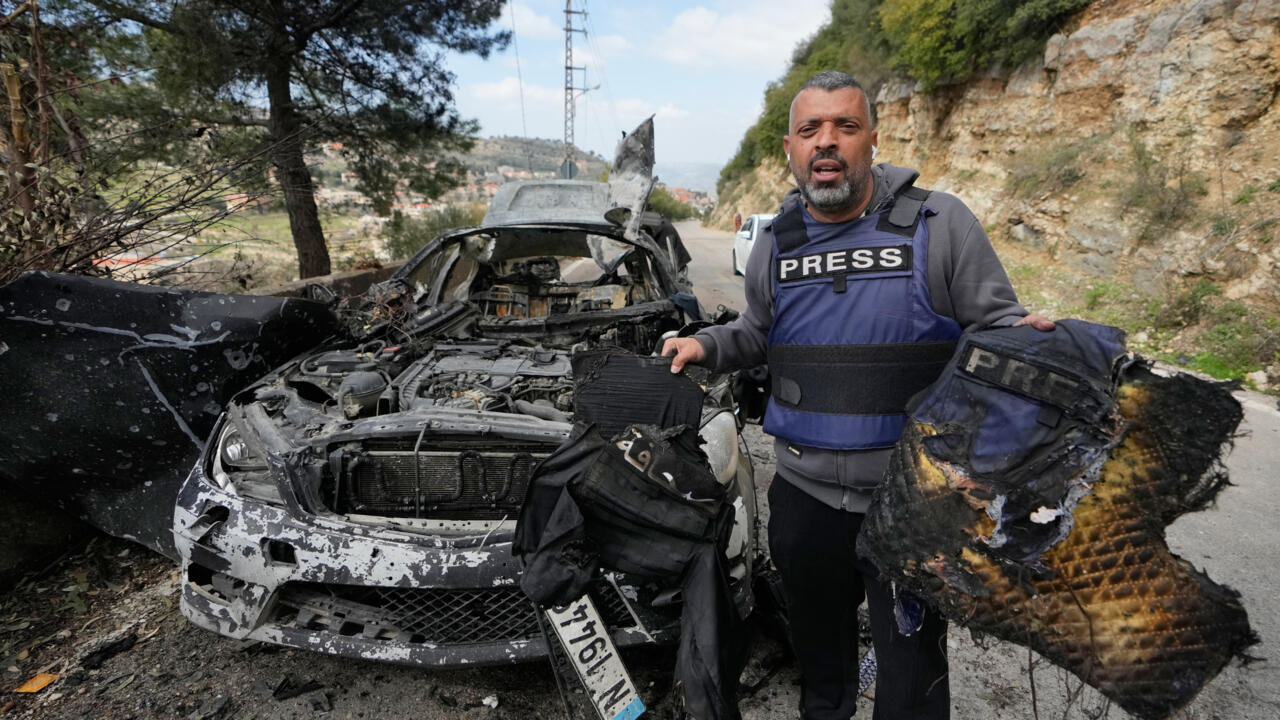
Figures from Lebanon's Ministry of Health show that Israeli attacks have killed at least 1,116 people and wounded 3,229 others. These casualty numbers reflect a sharp increase in violence compared to previous months. The World Health Organization has expressed deep alarm regarding the medical infrastructure in the area.
Foreign governments including France, the United Kingdom, and Germany have called for an immediate de-escalation of hostilities. They warned that an expanded ground offensive would have devastating humanitarian consequences and must be averted. Canada joined the coalition of nations urging restraint in the region.
Lebanese Prime Minister Nawaf Salam warned against the invasion during a phone call with UN Secretary-General Antonio Guterres. His office stated that Israel's actions constitute a matter of utmost gravity threatening Lebanese sovereignty. Salam indicated his government would submit a formal complaint to the UN Security Council.
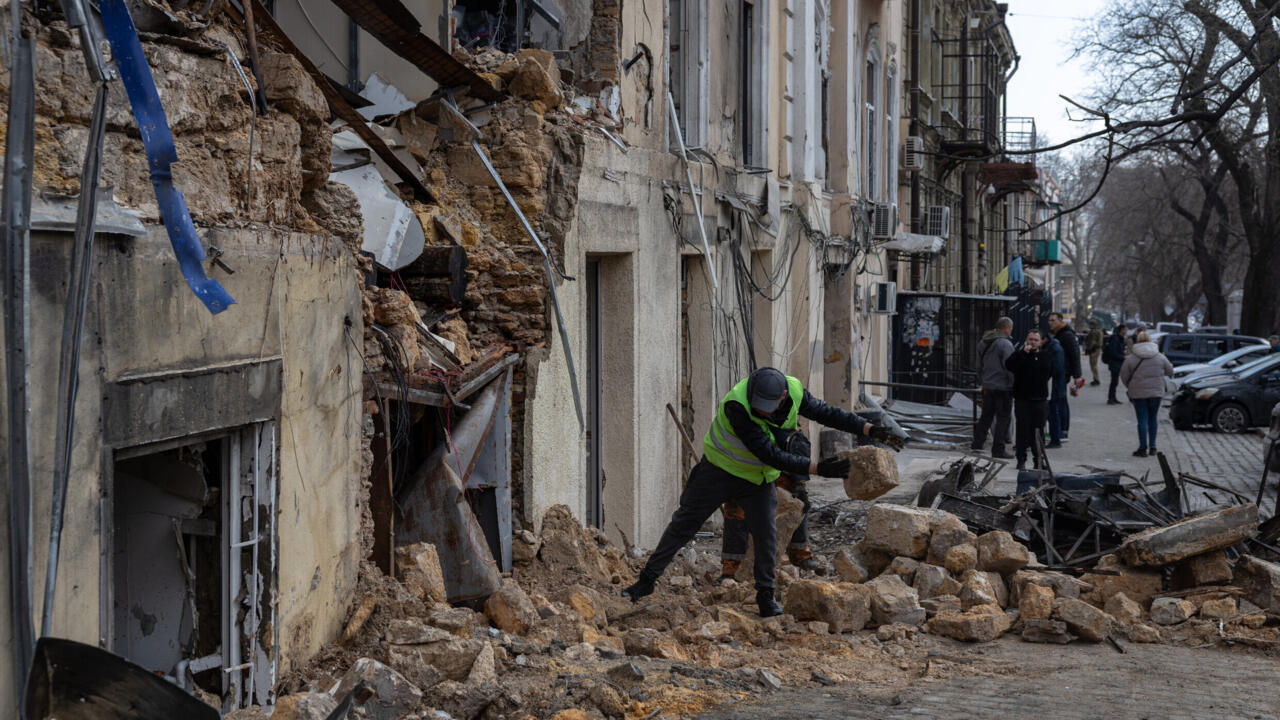
Amnesty International criticized the destruction of bridges and homes as a reflection of Israel's record of alleged atrocity crimes. The rights group urged world leaders to uphold international legal obligations to halt unlawful destruction of civilian property. They emphasized that impunity must not be allowed across the region.
Hezbollah chief Naim Qassem promised that the group would continue fighting without limits against what he described as an occupying enemy. The group announced more than 45 military operations against Israel on Thursday, including drone firings. Hezbollah reportedly targeted several Israeli armored vehicles with guided missiles.
Casualty reports indicate one Israeli soldier was killed and four others were injured in a recent incident in southern Lebanon. Meanwhile, a Hezbollah rocket attack on Nahariya killed one person and injured 11 others according to Israeli authorities. The cycle of violence suggests that diplomatic solutions remain distant.