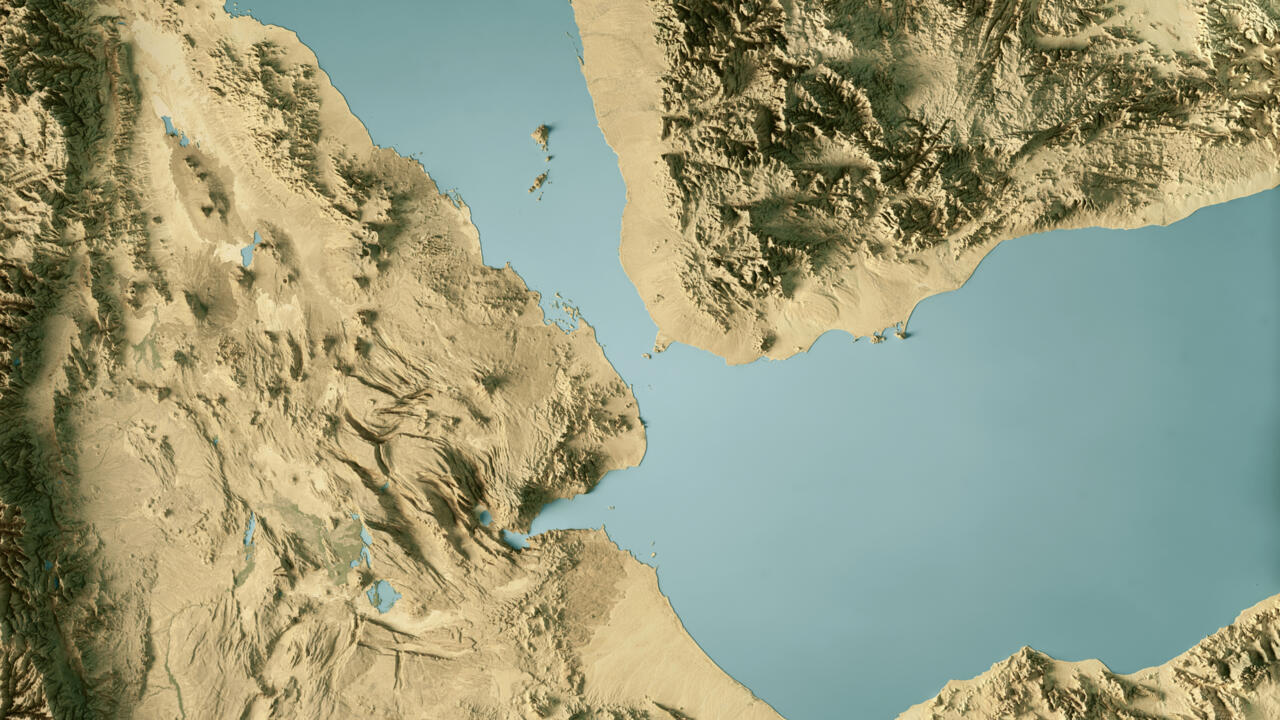
Iran has threatened to disrupt shipping in the Bab al-Mandab Strait with the assistance of its Houthi allies in Yemen. The strategic waterway links the Gulf of Aden to the Red Sea and the Suez Canal, serving as a critical artery for global trade. This escalation coincides with renewed missile attacks on Israel and heightened tensions between Washington and Tehran, raising fears over key trade routes. Oil prices are already up more than 50 percent in a month as investors react to the instability.
Geopolitical Escalation
Iranian military sources told Tasnim news agency that insecurity in the Red Sea is an option for resisting US threats. The Houthis carried out their second attack on Israel since the start of the US-Israeli war on March 30. Two drones launched from Yemen were intercepted early in the morning, according to the Israeli military, marking a significant escalation in regional hostilities. This follows an initial missile strike on Saturday that signaled a broader entry into the conflict.
President Donald Trump threatened to destroy Iran's main oil export terminal on Kharg Island if Tehran does not agree to a deal. Writing on his Truth Social network, the President warned of obliterating electric generating plants and oil wells. He compared the potential action to Washington's intentions regarding the oil industry in Venezuela, where control is intended following the capture of Nicolás Maduro. Washington shows no sign of slowing its military build-up in the Middle East despite calls for peace negotiations.
Global Trade Impact
Experts note that the Houthis are ideally placed to exert control over the strategic waterway due to their unique geographic position. Julian Pawlak, a maritime security specialist at the German Institute for International and Security Affairs, highlighted this advantage. The strait is less than 30 kilometres wide at one point, making blocking operations easier for the group to execute. This geographic reality creates a unique ground for acting in the Red Sea and particularly at the level of the Bab al-Mandab strait.
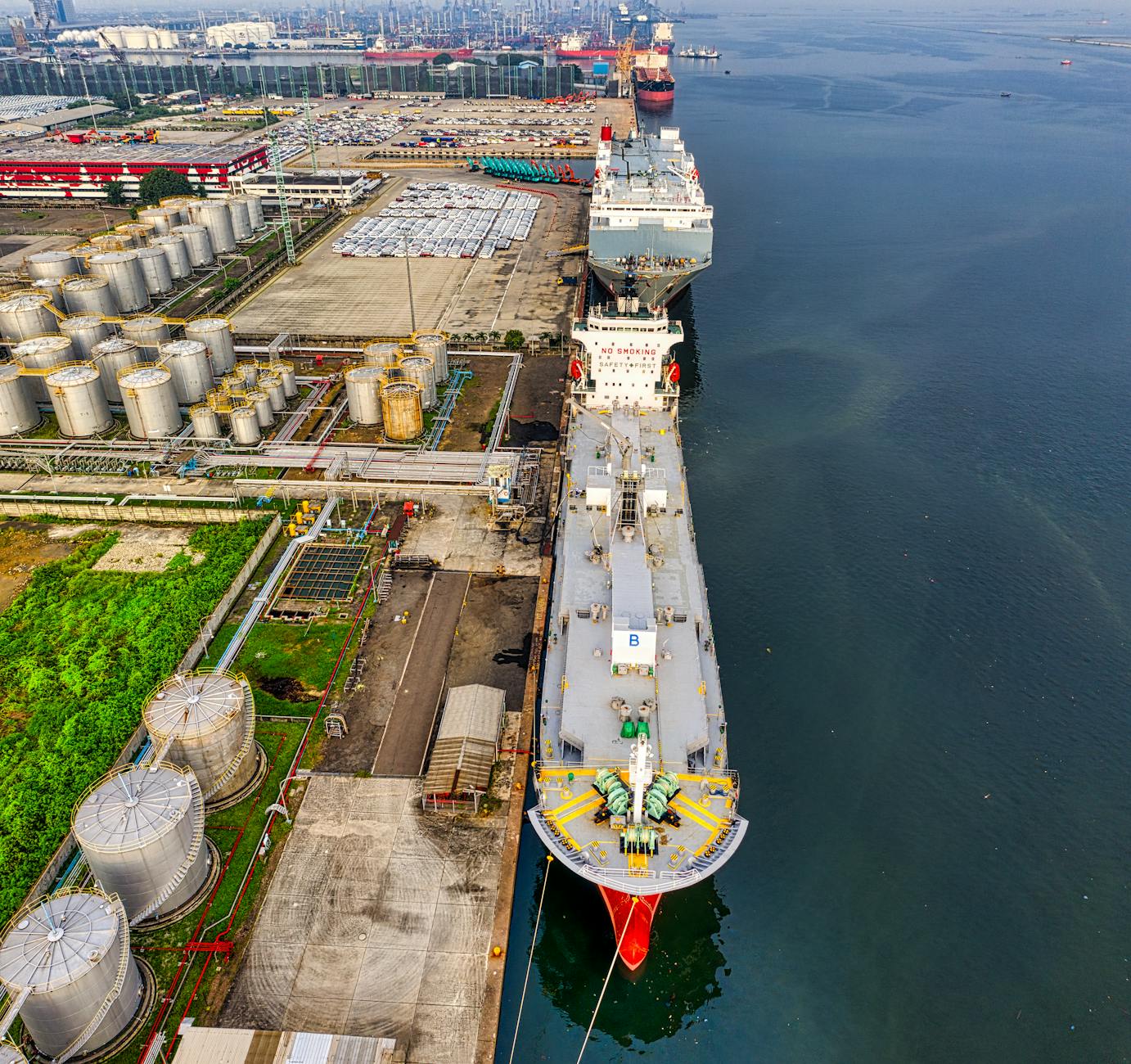
The Bab al-Mandab strait plays a key role in global trade as well as in delivering oil and gas to Europe. Around 15% of global maritime trade by value goes through it in normal times, according to Jasper Verschuur. Tankers leave ports in the Persian Gulf, pass through the Strait of Hormuz, cross the Bab al-Mandab and then travel up the Red Sea to reach Europe via the Suez Canal. The passage at the southern end of the Red Sea is also heavily used by container ships carrying Asian goods destined for European markets.
"Disrupting maritime traffic at the Strait of Hormuz primarily affects Asia, while blocking traffic in the Gulf of Aden is more likely to penalise Europe," Didier Leroy said.
Saudi Arabia has been able to reroute some of its oil exports to rely more heavily on the Red Sea via the East-West pipeline. Riyadh has been trying to supply Asia from its port of Yanbu on the Red Sea, passing through the Bab al-Mandab strait. If that route becomes unsafe, delivery times will lengthen and prices will rise even if the volumes of oil in question remain well below those affected by the closure of the Strait of Hormuz. Christian Bueger, a maritime security specialist at the University of Copenhagen, noted the logistical challenges involved.
Maritime traffic in the Bab al-Mandab strait had already fallen sharply before the current escalation in the Middle East. After the Hamas-led attacks of October 7, 2023, on Israel, the Houthis regularly targeted vessels in the Red Sea. Now around half the number of ships pass through compared to the 60 to 70 cargo ships that did so before 2023. Most shipping companies had already been forced to make detours, notably through the Cape of Good Hope.
Future Implications
The real question remains whether the Houthis want to block the strait on Iran's behalf or act independently. Tim Epkenhans, a specialist on Iran and the Muslim world at the University of Freiburg, suggested any blockade would be rather half-hearted. Their restraint since the start of the war had served both their own interests and those of Iran. They fear that their involvement in the war would prolong the conflict, which runs counter to the interests of China.
Disrupting shipping and trade is not actually that great for the Yemeni economy, which is overwhelmingly dependent on imports. Vincent Durac, a Yemen and Middle East specialist at University College Dublin, warned of serious risks for the group itself. The group has also taken note of what happened to the leadership of Hamas and Hezbollah. The ease with which the US and Israeli military, security and intelligence agencies have targeted their enemies in the region is not something they want to visit upon themselves willingly.
Forced to take longer routes, cargo ships will not be able to make as many voyages, which will mean shipping companies may have to make choices. The cheapest deliveries tend to involve essential goods, such as grain bound for poorer countries. This could cause major disruptions in regional maritime trade, with impact on food security in the Horn of Africa. Jasper Verschuur warned that shipping companies may have to make choices, and maybe not serve some countries because it is economically less profitable than the big routes.