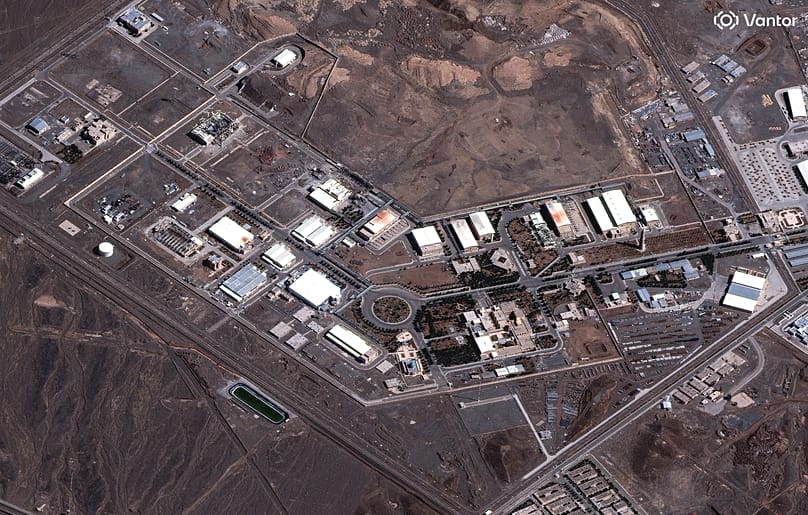
Tehran has officially rejected demands to limit its uranium enrichment program, a move that threatens to derail upcoming negotiations between Iran and the United States.
Mohamad Eslami, head of Iran's Atomic Energy Organization, stated Thursday that the country will not yield to the requirements of the U.S. and Israel.
“The claims and demands of our enemies, who intend to restrict Iran's enrichment program, are nothing more than wishes that will remain buried,” Eslami told the Isna news agency.
The refusal comes as diplomats prepare to meet in Pakistan this week to discuss a ceasefire following a period of intense conflict. The two nations agreed to a two-week truce on Tuesday to halt a war that has caused significant casualties and economic instability.
Washington continues to allege that Tehran is close to developing a nuclear weapon, though the International Atomic Energy Agency (IAEA) has not corroborated these claims. Iran maintains its nuclear program is strictly for civilian use.
Tensions rise over Strait of Hormuz
While nuclear enrichment remains a primary friction point, new tensions have emerged regarding the Strait of Hormuz. The European Union warned Thursday that freedom of navigation in the strategic waterway must be guaranteed without any form of toll or payment.
EU Commission spokesperson Anouar El Anouni said in Brussels that international law protects free passage. “Freedom of navigation is a public good and must be guaranteed,” El Anouni stated.
French Foreign Minister Jean-Noël Barrot called the idea of a maritime toll "inacceptable." The diplomatic friction follows comments from U.S. President Donald Trump, who suggested creating a joint venture to manage navigation in the strait in exchange for payment.
The strait, a vital artery for global oil trade, has faced blockades by Iranian authorities since U.S. and Israeli airstrikes in late February. The truce agreement reached Tuesday includes provisions to reopen the waterway to international shipping.