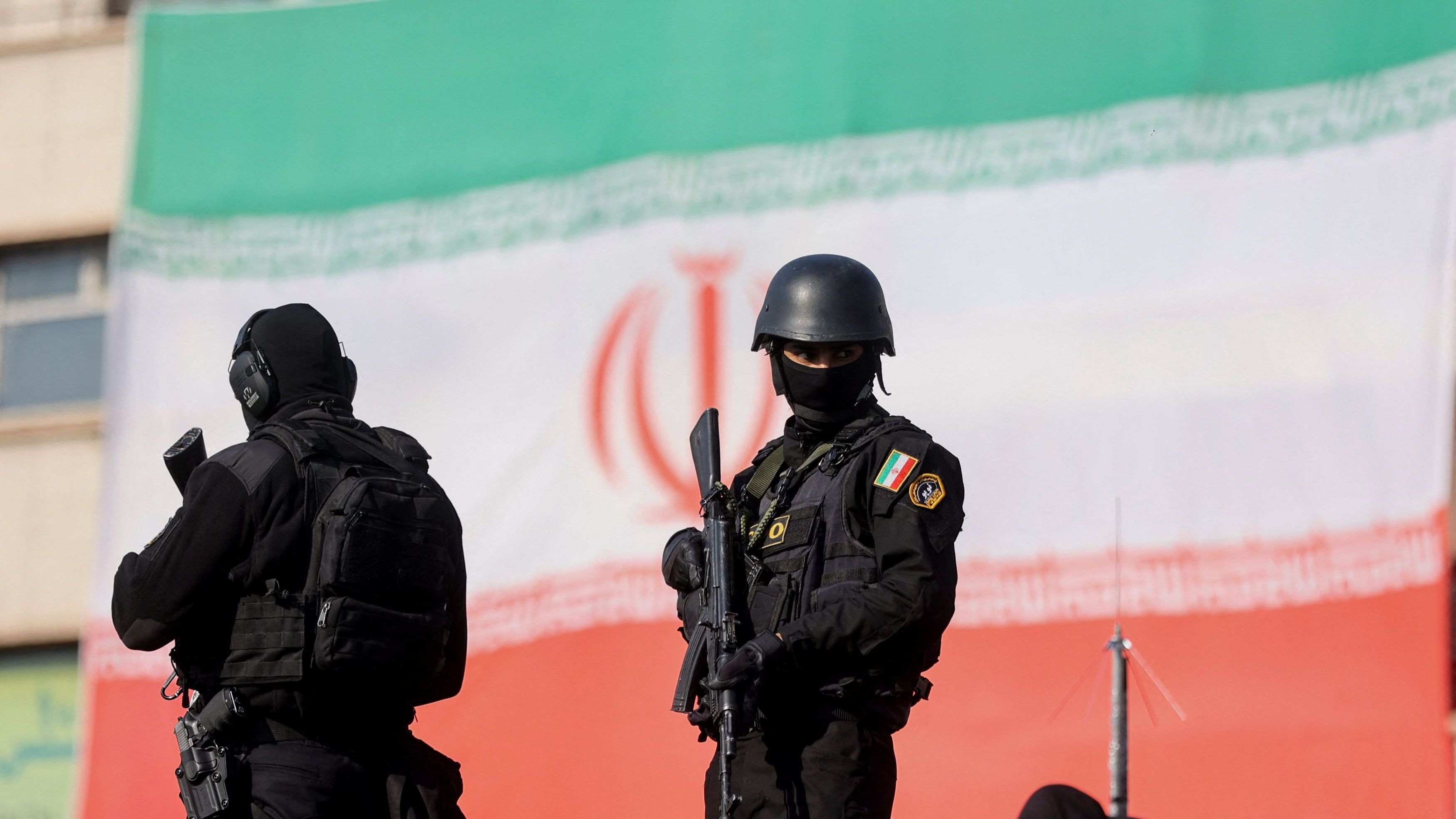
Iranian authorities executed at least 1,639 people last year, a sharp 68% increase from the 975 deaths recorded in 2024. The figures, released by Norway-based Iran Human Rights (IHR) and Paris-based Together Against the Death Penalty (ECPM), indicate the highest volume of state-sanctioned killings in the Islamic Republic in 36 years.
According to the report, the state carried out an average of four executions per day. Drug-related offenses accounted for the largest share, with 795 individuals hanged, while 747 people were executed for murder convictions. Both categories saw significant year-over-year growth.
A tool of state repression
The NGOs warn that the judicial system is increasingly weaponized against political dissent. At least 57 of those executed were convicted on security-related charges, including two protesters. Additionally, six members of the exiled opposition group Mujahideen-e Khalq (MEK) and one individual accused of spying for Israel were put to death.
"If the Islamic Republic survives the current crisis, there is a serious risk that executions will be used even more extensively as a tool of oppression and repression," the report states. Human rights advocates note that more than half of these death sentences originated from Revolutionary Courts, which the NGOs describe as platforms for grossly unfair trials lacking basic due process.
Women and ethnic minorities faced a disproportionate impact. Authorities executed at least 48 women, a 55% increase from the previous year and the highest number recorded for that demographic in over two decades.
Legal threats against protesters remain high. At least 16 individuals sentenced to death in connection with the 2022 “Woman, Life, Freedom” demonstrations remain at risk, while 27 others received death sentences earlier this year. Hundreds more currently face charges that carry the death penalty.
Raphaël Chenuil-Hazan, executive director of ECPM, argued that the abolition of capital punishment must be a central element of any diplomatic dialogue between the United States and Iran. IHR director Mahmood Amiry-Moghaddam criticized current international negotiations for failing to address the human rights crisis.
"There is no mention of the Iranian people's rights" at the negotiating table, Amiry-Moghaddam said. He maintains that a moratorium on the death penalty and the release of all political prisoners should serve as the primary demand in any talks.