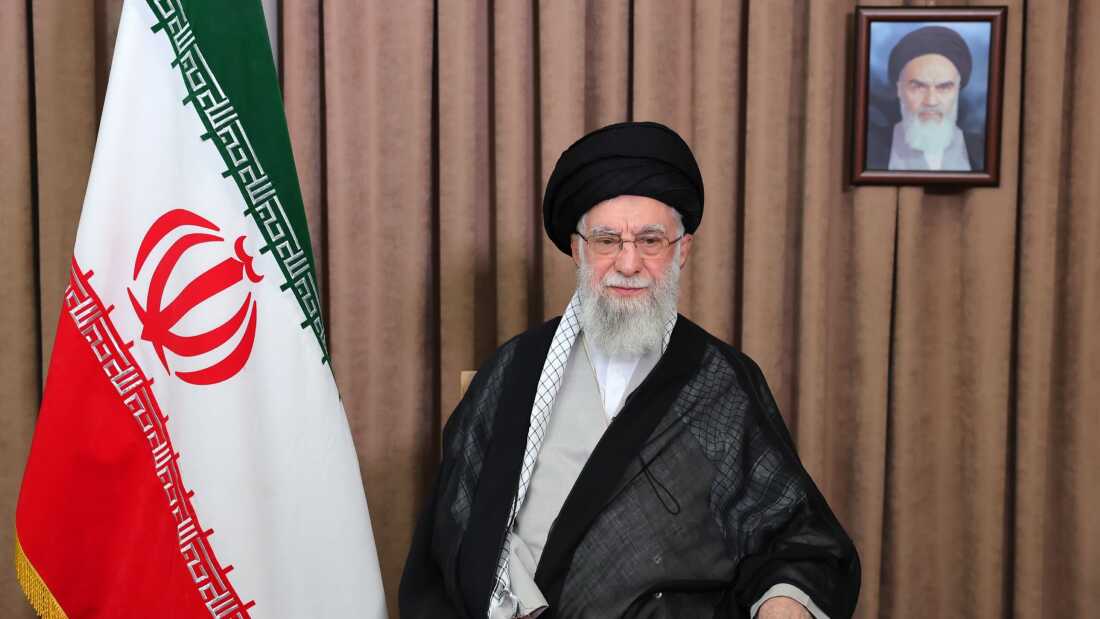
Tehran has effectively neutralized efforts by the United States and Israel to force a regime collapse, according to a recent analysis of the ongoing conflict in the Middle East. Despite suffering significant economic and human losses, Iranian leadership has retained its structural integrity and geographic influence.
Observers note that the U.S.-Israel strategy, which relied on the assumption that extreme force would compel Iranian capitulation, failed to account for the country's decentralized military doctrine. Rather than attempting to match the superior air power of its adversaries, Iran has prioritized a strategy of endurance and asymmetric leverage.
A shift in regional power
Central to Iran’s current position is its control over the Strait of Hormuz. By maintaining a credible threat to the global petroleum supply, Tehran has established a diplomatic shield that forces Western and Asian powers to exercise caution. This geographic reality ensures that Iran remains a primary architect of regional security.
Strategically, the Iranian military has moved toward a "mosaic" model of command. This decentralization ensures that even if individual leaders are targeted, the state apparatus continues to function. Analysts point out that this doctrine has turned vulnerability into a form of resilience, forcing the U.S. to engage in a war of attrition that has drained both American capital and diplomatic credibility.
Politically, the campaign for regime change has yielded unintended results for Washington. Rather than fracturing the state, the existential threat posed by the U.S.-Israel axis has unified the Iranian public, strengthening domestic support for the current leadership.
Washington’s diplomatic position has simultaneously weakened as key European allies have grown increasingly alienated by erratic U.S. policy. In contrast, Tehran has solidified ties with Beijing and Moscow, effectively insulating its economy from Western sanctions. By playing a long-term strategic game, Iran has successfully transformed the "maximum pressure" campaign into a recurring cost for its adversaries, ensuring that Western powers can no longer operate in the Middle East without accounting for Tehran’s influence.