South Sudan and Mauritius have restricted electricity consumption as the war in Iran threatens fuel supplies across Africa. Multiple nations from East to Southern Africa report rationing measures and price spikes linked to the conflict. Governments scramble for alternative sources while consumers face higher costs and unreliable power. This situation highlights the fragility of regional energy infrastructure during geopolitical crises. The United States and Israel's involvement exacerbates the tension.
The island nation of Mauritius faces an energy emergency after a shipment of oil failed to arrive over the weekend. Energy Minister Patrick Assirvaden stated the country retains only 21 days of stock. Authorities secured alternative supplies from Singapore arriving in April, though at a significantly higher cost. The shortage forces the government to manage demand through strict consumption limits. High-power areas face the most severe restrictions.
South Sudan generates 96% of its electricity from oil despite possessing large domestic reserves. The state distributor Jedco announced rotational power cuts in the capital Juba to manage reserves. Local residents report outages lasting up to 12 hours daily during peak times. Maintenance operations have previously caused intermittent cuts since May last year. Power cuts paralyses most businesses in the region.
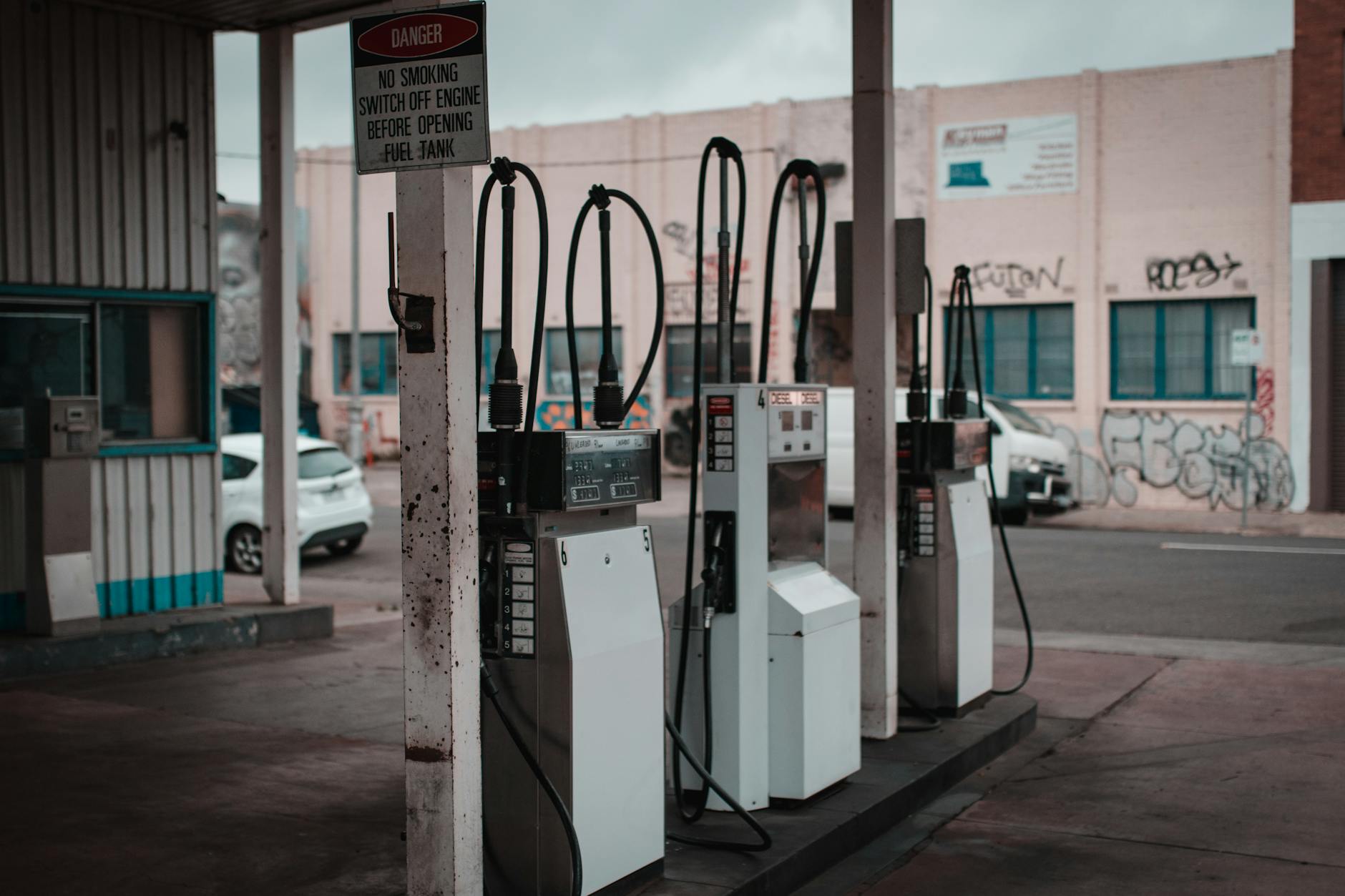
Zimbabwe plans to increase ethanol content in petrol from five% to 20% to mitigate supply gaps. Officials also scrapped taxes on fuel imports after prices rose 40% in less than a month. Street vendors in Harare report doubled transport costs forcing them to absorb losses. One vendor stated transport costs have doubled depending on delivery times. Economic hardship spreads quickly through informal markets.
Kenya faces 20% fuel shortages at some stations due to panic buying and hoarding accusations. Authorities in Ethiopia prioritized security institutions and essential industries for fuel distribution. The Tigray region suspended fuel supplies amid fears of renewed civil war. Retailers deny shortages while accusing customers of stockpiling commodities. Energy minister Opiyo Wandayi urged citizens not to engage in panic buying.
South Africa officials claim sufficient supplies remain stable despite warnings of future price hikes. Nigeria offered to pump additional oil to meet global demand amid the crisis. Economists warn ordinary citizens may not feel revenue benefits if transport costs rise everywhere. High prices affect purchasing power regardless of national production levels. Local communities feel the immediate impact of inflation.
Longer shipping routes around the Cape of Good Hope could pressure southern African ports. Researchers suggest tankers avoiding the Red Sea will increase demand for resupply facilities. Walvis Bay and Durban face potential pressure from diverted maritime traffic. Senior researcher Timothy Walker noted increased pressure on offshore port areas. Tankers will potentially look to stop there and resupply themselves.
The region monitors the conflict closely as prolonged hostilities threaten economic stability. Governments must balance supply security with inflation control for vulnerable populations. Markets will watch for further disruptions to global oil flows from the Middle East. Trade routes remain a critical vulnerability for import-dependent economies. Supply chain resilience becomes a key strategic priority.
Continued instability could force deeper structural changes in regional energy policies. Nations may accelerate renewable energy projects to reduce dependence on imported fossil fuels. Investors should monitor fuel price indices for signs of sustained volatility. The outcome of the conflict will determine long-term economic trajectories across the continent. Policy shifts could reshape the global energy map.