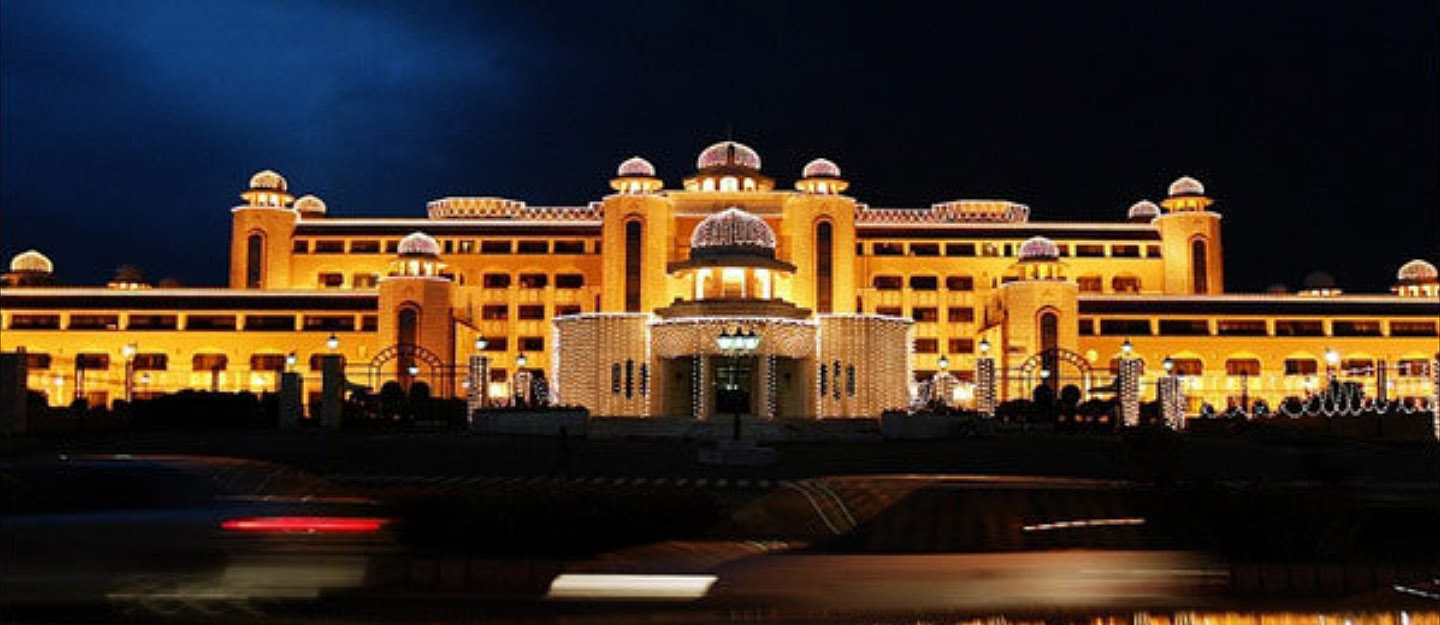
Iranian President Masoud Pezeshkian has agreed to participate in diplomatic talks in Islamabad to address the ongoing conflict with the United States. The announcement comes on the heels of a two-week ceasefire deal involving Iran, the U.S., and Israel.
Pakistani Prime Minister Shehbaz Sharif’s office confirmed the development on Wednesday. The move marks a potential shift in regional tensions that have gripped the Middle East.
Diplomatic breakthrough in Islamabad
While the ceasefire provides a temporary window for de-escalation, the regional landscape remains volatile. Reports indicate that while the U.S., Israel, and Iran have reached an initial understanding, the terms of the agreement have triggered confusion among international observers.
Lebanon has notably been excluded from the current ceasefire framework. Reports from the region confirm that Israel continues to conduct military operations in Beirut, highlighting the limited scope of the current diplomatic efforts.
Political analysts are closely watching the Islamabad talks for signs of a broader, more permanent resolution. The involvement of Pakistan as a host nation underscores the strategic importance of third-party mediation in the current geopolitical climate.
Despite the announcement, skepticism persists regarding the longevity of the agreement. U.S. officials have yet to release full details on the specific conditions of the two-week pause, leaving the international community to speculate on the potential for a lasting peace.