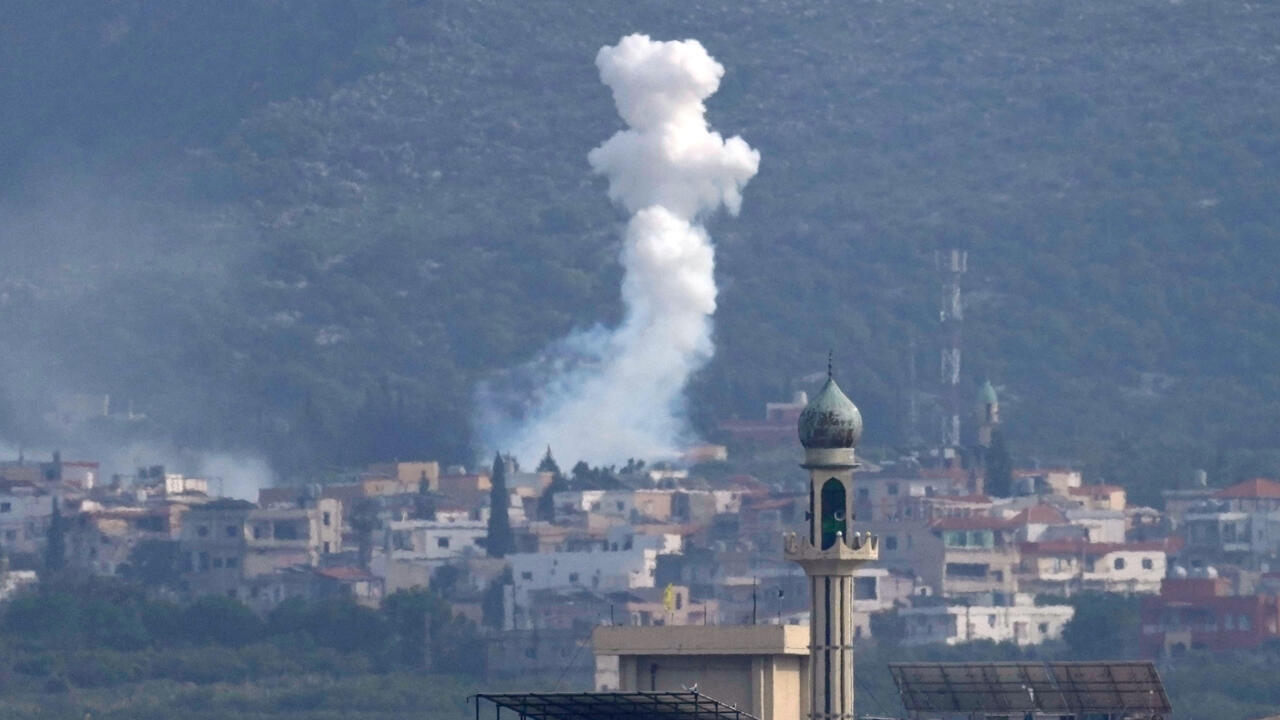
A severe humanitarian crisis continues to unfold in Southern Lebanon as thousands of civilians remain trapped behind active Israeli frontlines. Prime Minister Benjamin Netanyahu confirmed plans to expand a military buffer zone along the border, complicating rescue efforts for displaced populations. Correspondents from France24 joined a rare humanitarian convoy to document conditions in the restricted zone south of the Litani River. This development occurred on March 30, 2026, as tensions between the two nations escalated significantly following weeks of cross-border friction and diplomatic stalemates.
Geopolitical Context
Sweeping evacuation orders have already forced more than 1 million people to flee their homes in recent weeks. Despite these orders, many families lack the resources or permission to leave the conflict zone entirely. Aid organizations report critical shortages of water, food, and medical supplies for those stranded in the southern region. The displacement has disrupted local supply chains and strained neighboring border towns further north with sudden population inflows and increased demand for local services.
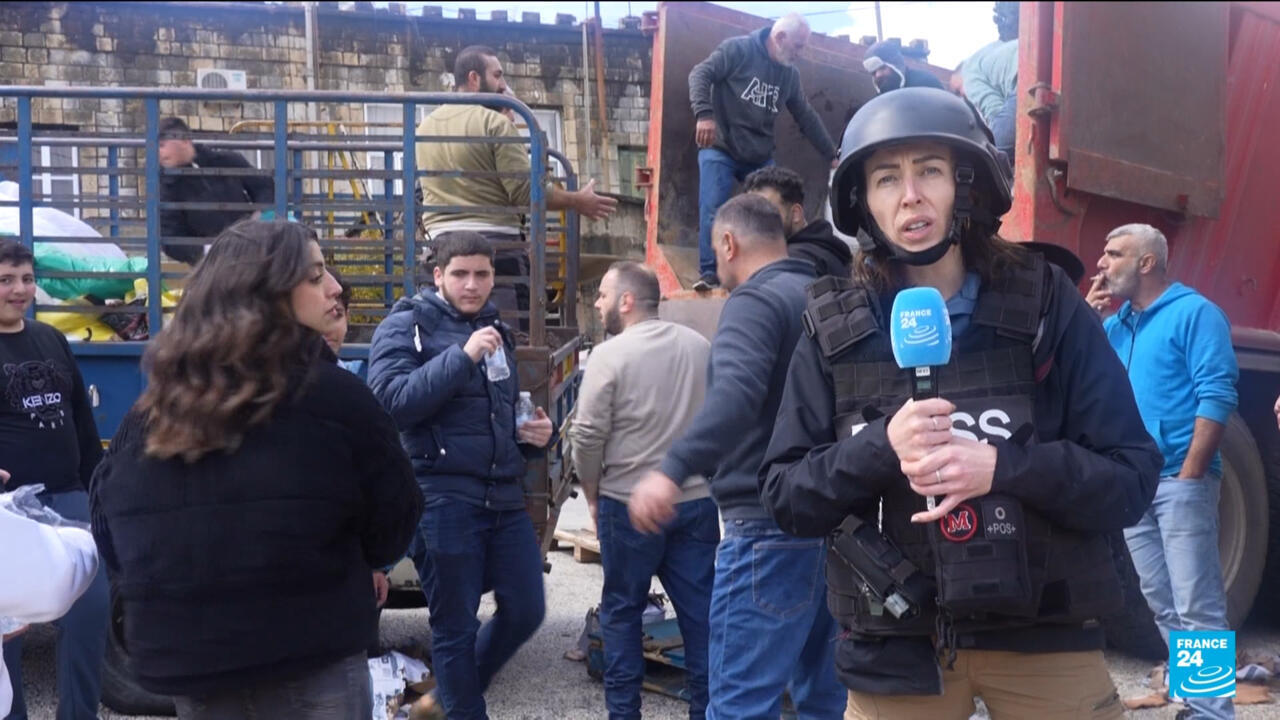
The French news outlet deployed reporters Mélina Huet and Achraf Abid to witness the situation firsthand. Their presence marks one of the few journalistic accesses granted to the restricted area during heightened military operations. They observed residents relying on intermittent aid drops to survive the ongoing military pressure. These reporters navigated checkpoints to verify claims regarding infrastructure damage and civilian safety levels in the area.
Humanitarian Response
Government officials in Jerusalem intend to secure a security buffer by pushing the population further south. This strategy aims to reduce rocket fire risks but creates significant displacement challenges for local communities. International observers warn that expanding the no-man's land could exacerbate regional instability significantly. Such territorial adjustments often alter demographic balances in disputed border areas permanently affecting local governance and long-term security arrangements.
The Litani River serves as a designated boundary for evacuation zones in previous ceasefires. Crossing this line without authorization now carries severe security risks for civilians attempting to return. Legal experts suggest these movements may violate international humanitarian law protections for non-combatants. The river historically marked the limit of Israeli military operations prior to 2026 before recent escalations changed the operational map and boundaries.
Future Outlook
Humanitarian groups state that access corridors remain dangerously volatile for aid trucks entering the zone. The humanitarian crisis in Southern Lebanon is reaching a breaking point, France24 reported. Relief workers face constant threats from artillery fire while distributing essential goods to vulnerable families. Logistics partners struggle to maintain consistent delivery schedules amid unpredictable combat conditions and safety protocols for international staff.
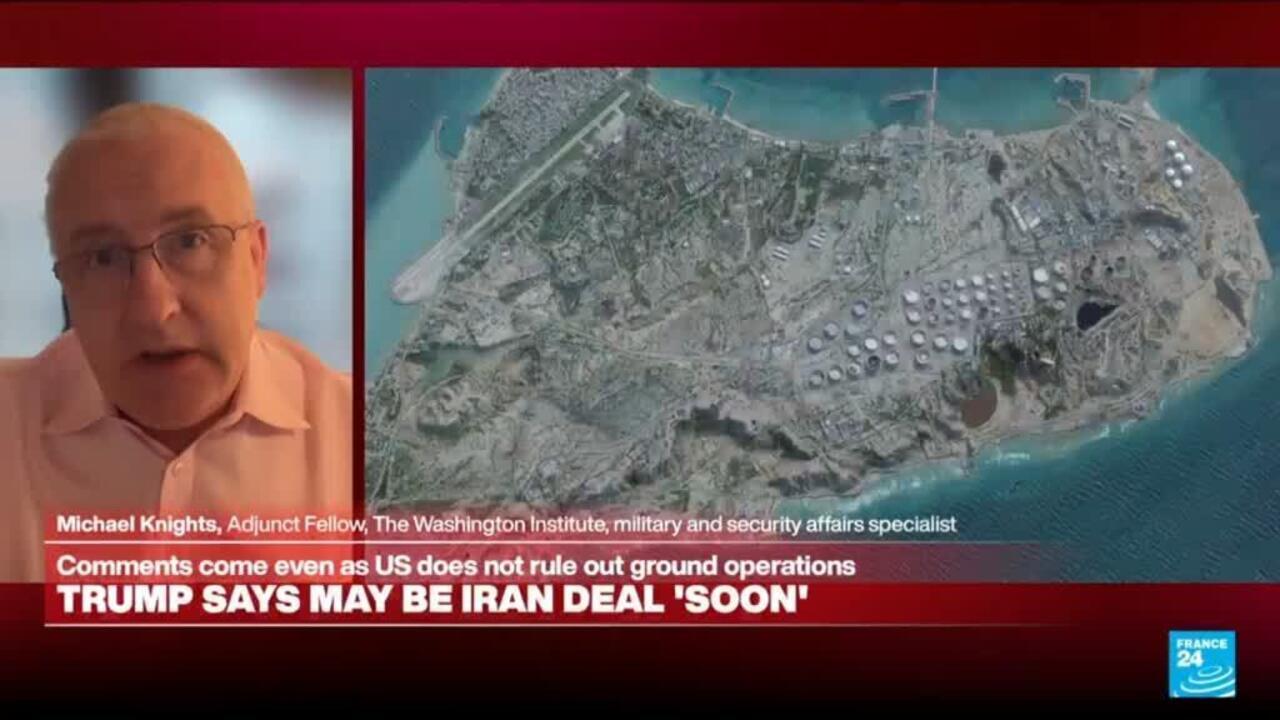
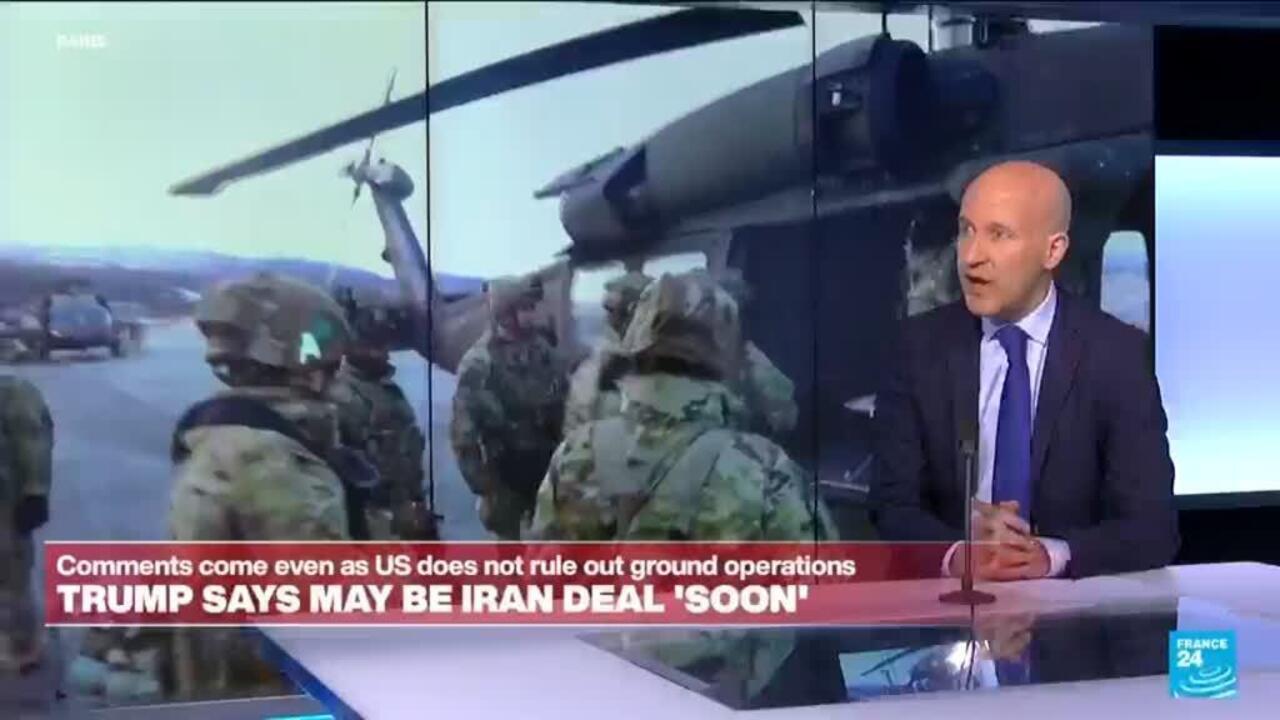
Regional analysts note that this escalation draws parallels to previous conflicts in the 2020s. The United Nations has urged restraint to prevent a wider war involving neighboring powers like Iran. Economic sanctions on infrastructure have further hampered recovery efforts in the region significantly. Global markets remain sensitive to any potential disruption in energy supplies from the Persian Gulf region affecting global oil prices and trade routes.
Future developments depend heavily on diplomatic negotiations between Israel and Lebanese authorities. The international community watches closely for signs of a sustained ceasefire or further military expansion. Continued monitoring is essential to track the safety of remaining trapped populations awaiting rescue. Long-term reconstruction will require significant international funding and political commitment to restore stability and economic function to the area.