The Houthi movement in Yemen has resumed missile fire against Israel, raising immediate concerns regarding global maritime security. This development occurs after a period of relative silence that lasted for the first four weeks following the outbreak of regional hostilities. Analysts warn that renewed aggression could severely disrupt critical shipping lanes in the Red Sea. The group claims the missiles target sensitive military sites within Israeli territory, though the impact remains limited compared to previous Iranian threats.
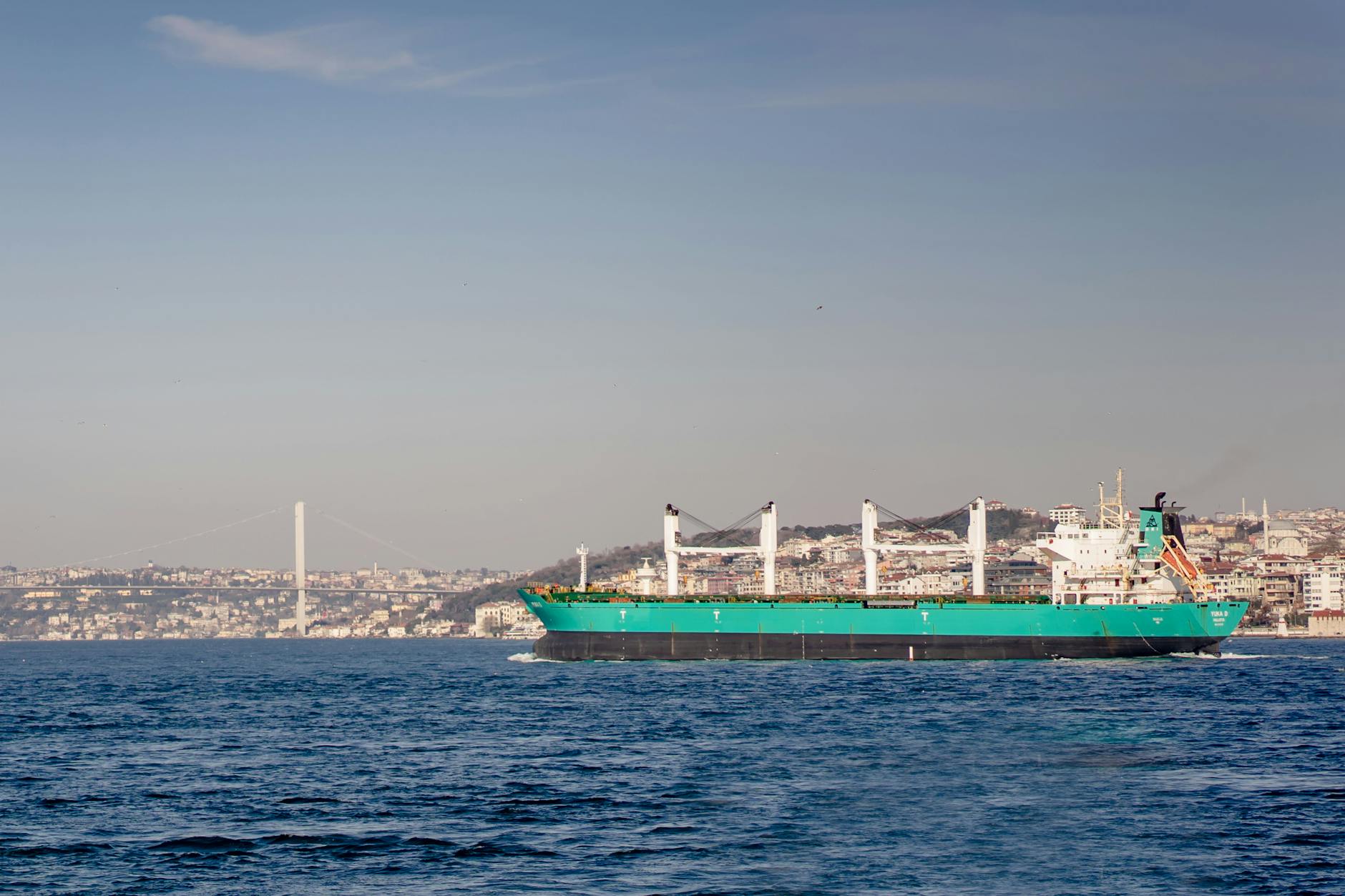
While the missile attacks target military sites within Israel, the group poses a far greater economic threat to commercial vessels transiting the Bab al-Mandab strait. The southern entrance to the Red Sea serves as a bottleneck for international trade and energy supplies moving between Europe and Asia. Previous strikes on shipping lanes already demonstrated the vulnerability of this strategic waterway to regional conflict. Many major shipping companies have already diverted vessels to avoid the risk zone, increasing transit times significantly.
Strategic Waterway Risks
Disruption at the Bab al-Mandab would compound existing risks posed by the Strait of Hormuz. If Iran were to close the Hormuz passage simultaneously, two of the world's main energy arteries could potentially be cut off. Such a scenario would trigger immediate volatility in global oil and natural gas markets. Economists estimate that prolonged closure could cost the global economy billions of dollars annually. One security analyst noted that the threat to the Red Sea is more significant than the missile attacks themselves, reported by the BBC.
The Houthis have previously targeted energy and military infrastructure in Gulf Arab neighbours, including Saudi Arabia and the United Arab Emirates. These nations host significant ports and facilities essential for the export of hydrocarbons to western markets. Any attack on this infrastructure could escalate tensions beyond the maritime domain into direct state conflict. Such strikes would necessitate a robust military response from the targeted governments.
Previous attempts to degrade Houthi capabilities resulted in intense air strikes from the United States and Israel. Despite these operations, the movement appears to have weathered the military pressure and retained its operational capacity. This resilience suggests the group possesses a level of endurance that complicates traditional response strategies. The group has survived multiple rounds of bombardment over the last decade without collapsing.
Regional Implications
Support for Hamas previously garnered some domestic and regional approbation within Yemen and the broader Arab world. However, actions taken explicitly on behalf of Iran may face different political calculations among local populations. The movement must balance external patronage with internal stability to maintain control over the Yemeni capital. This balance is becoming increasingly difficult to sustain amidst economic hardship.
Yemen has experienced relative calm for some time following years of intense turbulence and civil war. Deepening military involvement in the war between the United States, Israel and Iran could trigger a new outbreak in that internal conflict. A resurgence of fighting would further destabilize a region already grappling with humanitarian crises and economic collapse. Millions of citizens remain dependent on foreign aid for survival.
The distinction between supporting Palestinian causes and backing Iranian strategic interests remains a critical variable in this equation. International observers note that the Houthis are prepared to expand their operational reach if the conflict widens. Continued attacks would mark a significant escalation and widening of the war beyond current boundaries. This shift could alter the strategic calculus for regional allies.
Future Outlook
Global markets are currently monitoring the situation for signs of sustained disruption to shipping schedules. Supply chains dependent on the Red Sea route could face delays and increased insurance costs in the coming weeks. Investors will watch closely for any signs of escalation that might affect energy prices and freight rates. Financial institutions are assessing exposure to the region.
The question remains how far the movement is prepared to go without triggering a full-scale regional war. A new escalation would likely draw in additional actors and fundamentally alter the security architecture of the Middle East. The international community must address these threats to prevent long-term damage to the global economy. Diplomatic efforts may struggle to contain the violence.